NRAO Newsletter
Volume Vol#, Issue Iss#
Day# Month# Year#
NRAO Newsletter
Volume Vol#, Issue Iss# • Day# Month# Year#
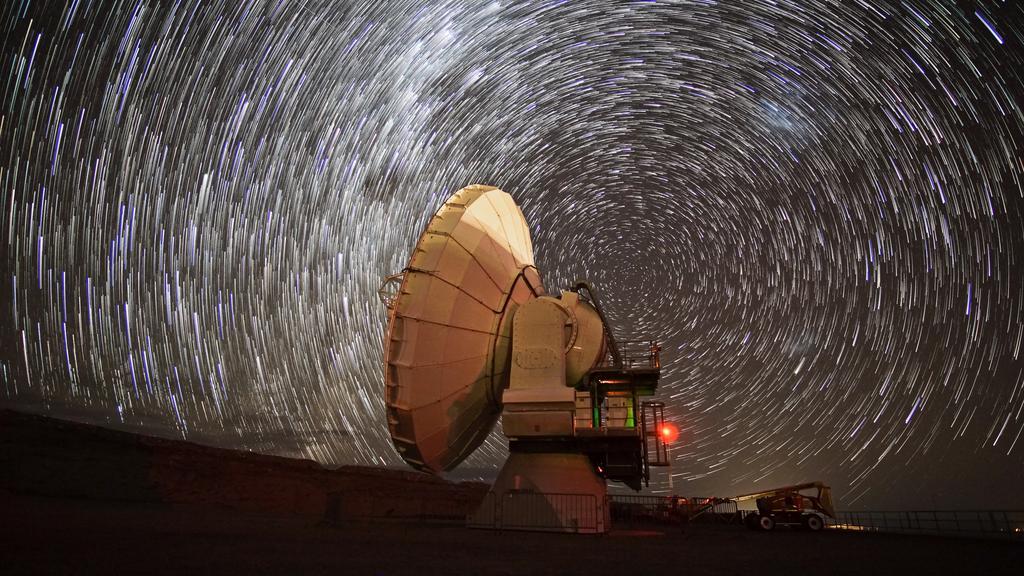
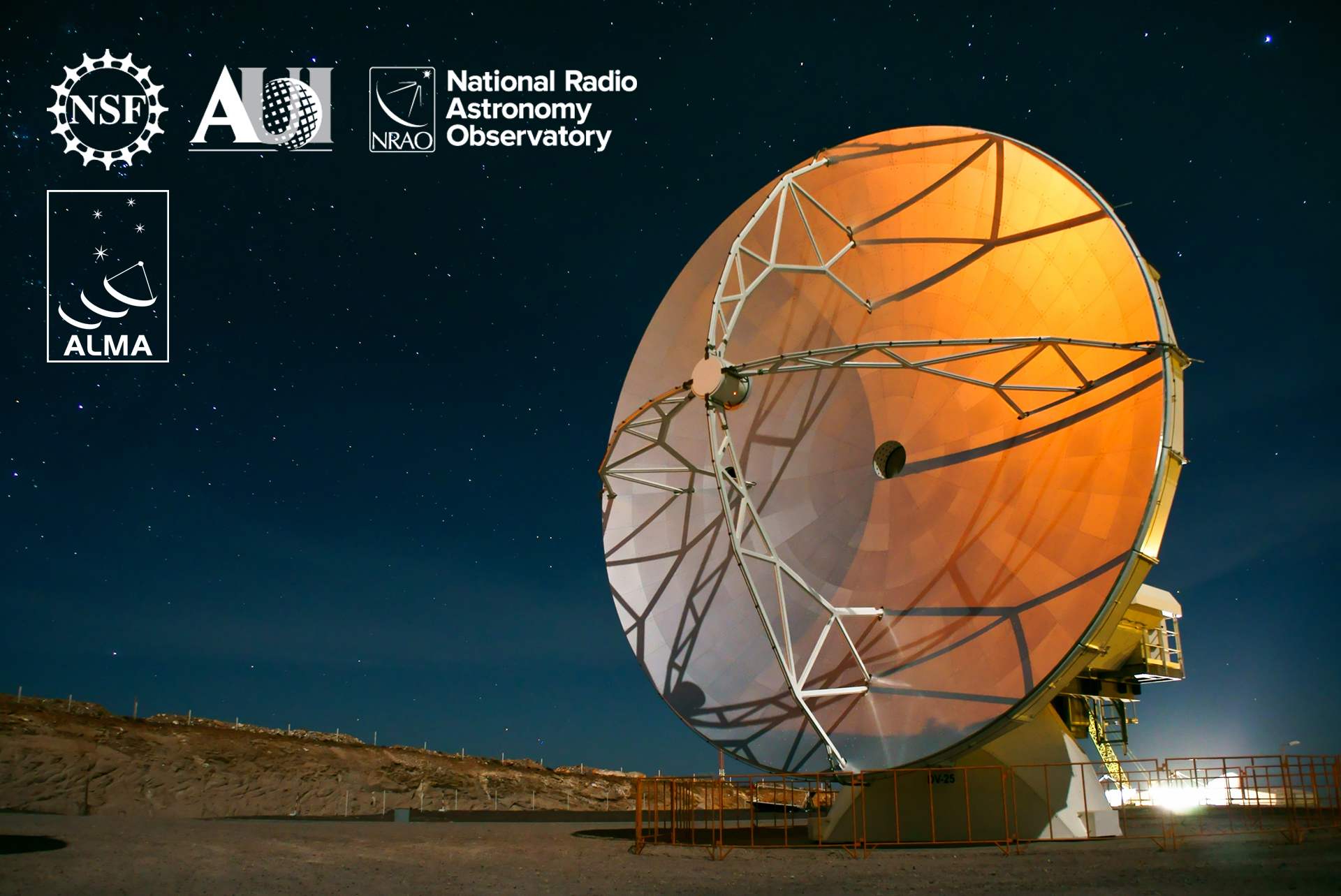 The Atacama Large Millimeter/submillimeter Array (ALMA) in northern Chile observes the Universe, studying protoplanetary disks, galaxies, and astrochemistry with some of the most advanced technology available in modern astronomy (Photo courtesy of ALMA/JAO).
Upcoming Science Events

The End of Star Formation
March 2-6, 2026 | University of Illinois, Urbana-Champaign

21st Synthesis Imaging Workshop
May 26-June 3, 2026 | Socorro, NM
2nd Annual Cosmic Horizons Conference
July 13-16, 2026 | Charlottesville, VA
Reminder: NRAO Call for Proposals - Semester 2026B
The National Radio Astronomy Observatory (NRAO) invites scientists to participate in the Semester 2026B Call for Proposals for the Karl G. Jansky Very Large Array (VLA) and the Very Long Baseline Array (VLBA), High Sensitivity Array (HSA), and Global mm VLBI Array (GMVA).
The submission deadline for Semester 2026B proposals is Wednesday, 4 February 2026, at 17:00 EST (22:00 UTC).
For the VLA, the C-configuration will be available. It is anticipated there will be around 1200 hours on the VLA, 2600 hours on the GBT, and 755 hours on the VLBA available for science observing. Opportunities for Joint proposals will be available for ALMA, JWST, HST, Swift, Chandra, XMM-Newton, and IXPE. Joint Proposals with ALMA or JWST need to be submitted to the facility requesting the larger amount of observing time.
View the complete Semester 2026B Call for Proposals online.
2026 Jansky Lectureship - Call for Nominations

The Karl G. Jansky Lectureship is an honor established by the trustees of Associated Universities, Inc., to recognize outstanding contributions to the advancement of radio astronomy. First awarded in 1966, it is named in honor of the man who, in 1932, first detected radio waves from a cosmic source. Karl Jansky's discovery of radio waves from the central region of our Milky Way Galaxy started the science of radio astronomy.
The 2026 Jansky Lecturer will have made significant contributions related to radio astronomy, and will promote the appreciation of the science of radio astronomy through public lectures at the NRAO and GBO sites. A demonstrated ability to engage a wide audience will be a factor in determining the awardee. Visit the Jansky Lectureship website for a list of the previous recipients of this prestigious award.
Additional information, including the nomination and selection process, is available online.
Nominations for the 2026 award should be concise (~1 page) and address both the nominee's contribution to the advancement of radio astronomy and their potential to increase public appreciation through the Jansky Lecture.
Nominations should be sent to JJ Burns by March 27, 2026.
NRAO and GBO scientific staff will be given an opportunity to vote on nominations received and the results will be included in the recommendation to the NRAO Director.
NSF NRAO at the 247th Winter AAS in Phoenix, Arizona
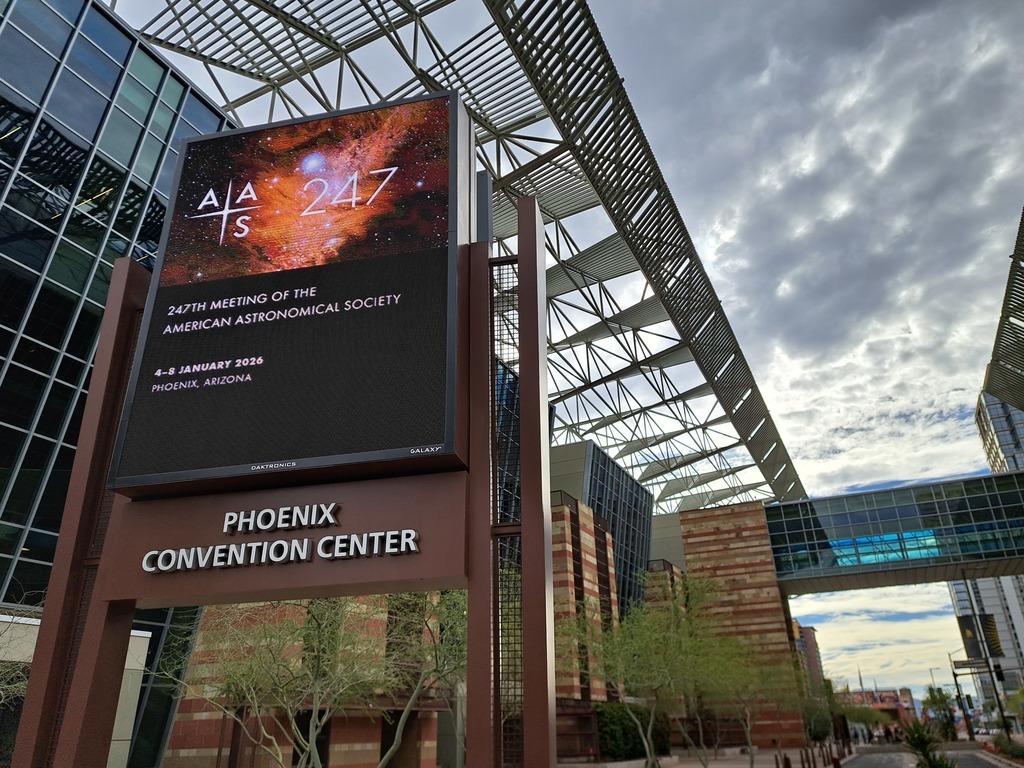
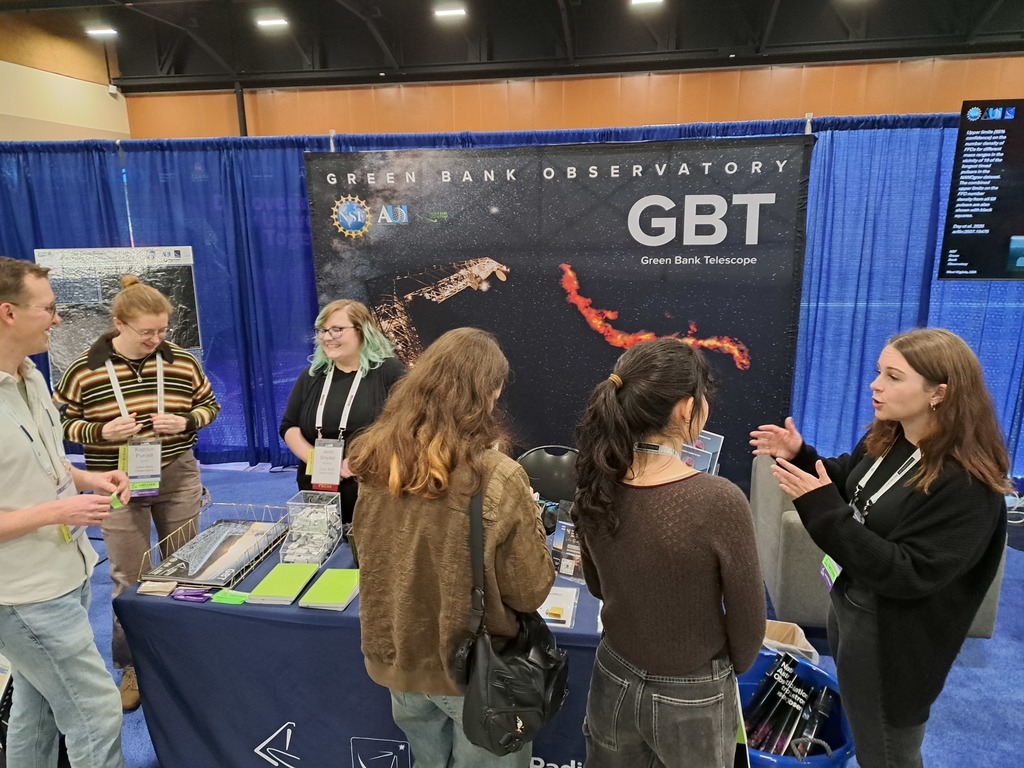
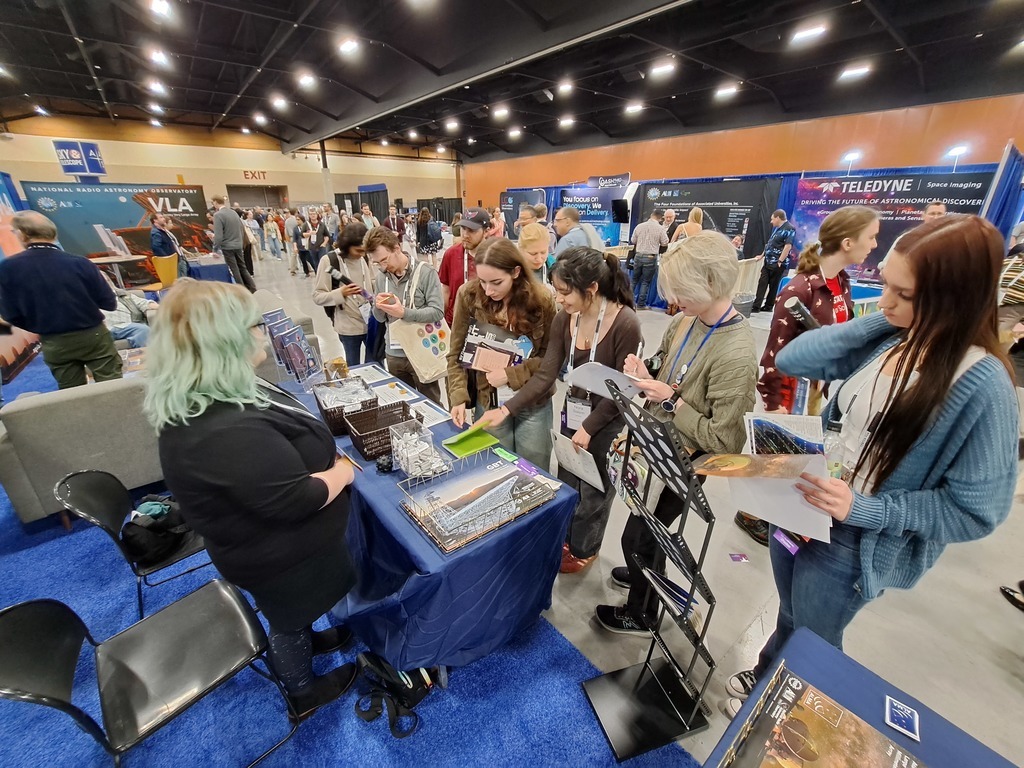
The NSF National Radio Astronomy Observatory, NSF Green Bank Observatory, the Central Development Laboratory, and Associated Universities, Inc. played major part in the January 2026 247th meeting of the American Astronomical Society. Staff, users, and students shared outstanding science results, press conferences, and technology developments.
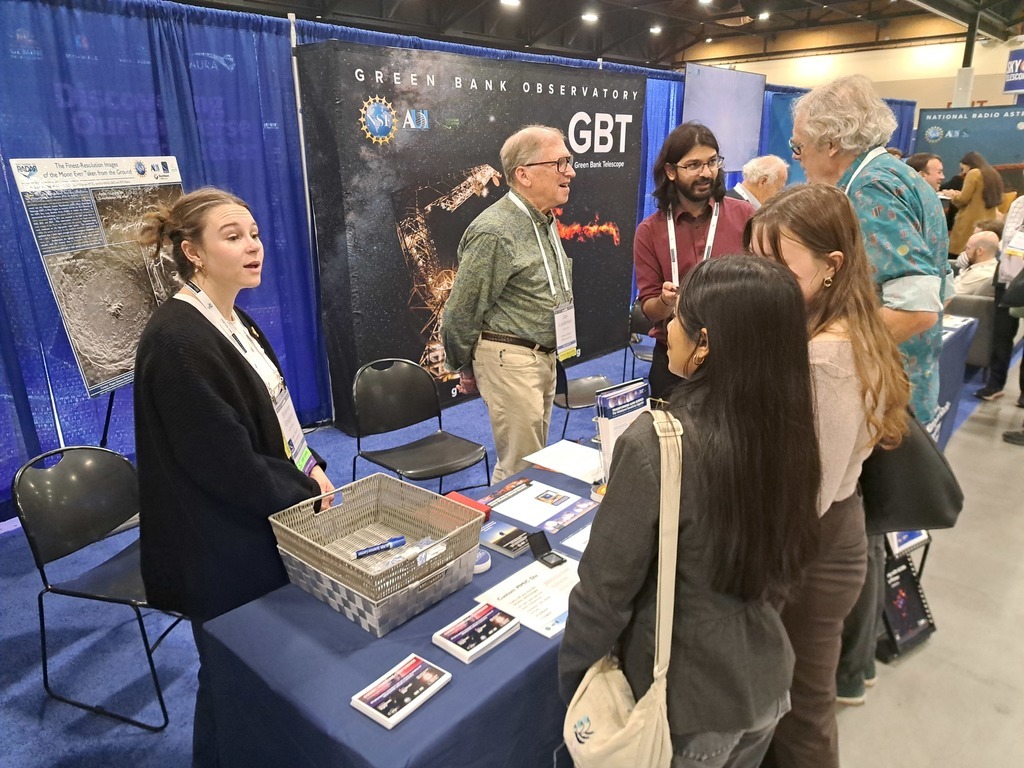
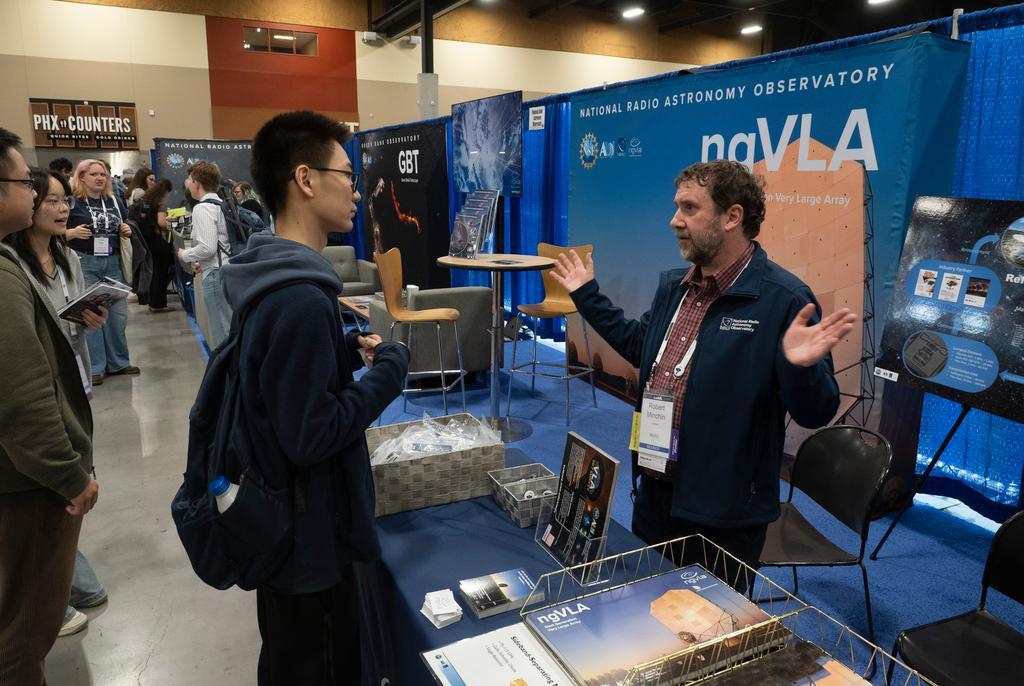
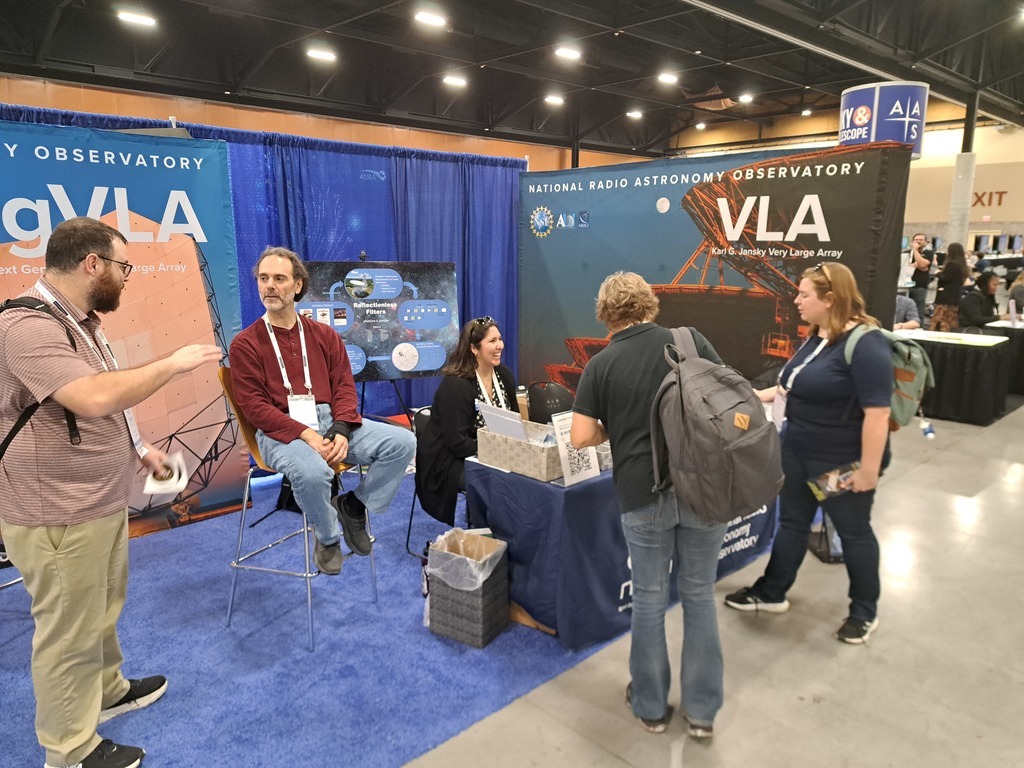
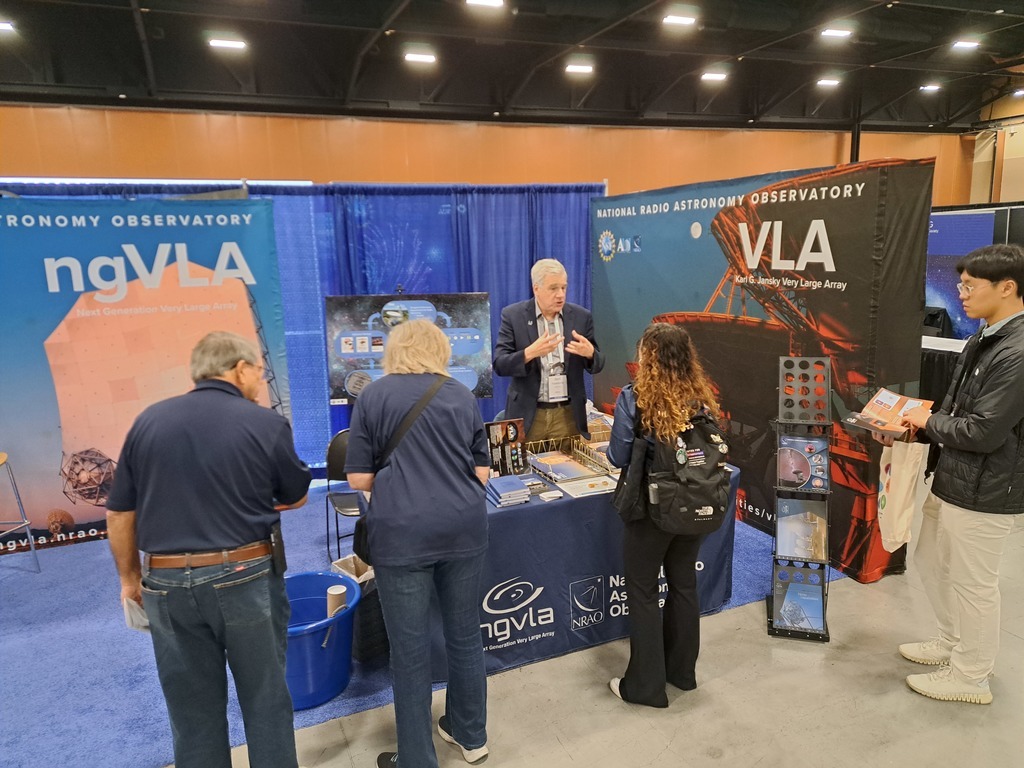
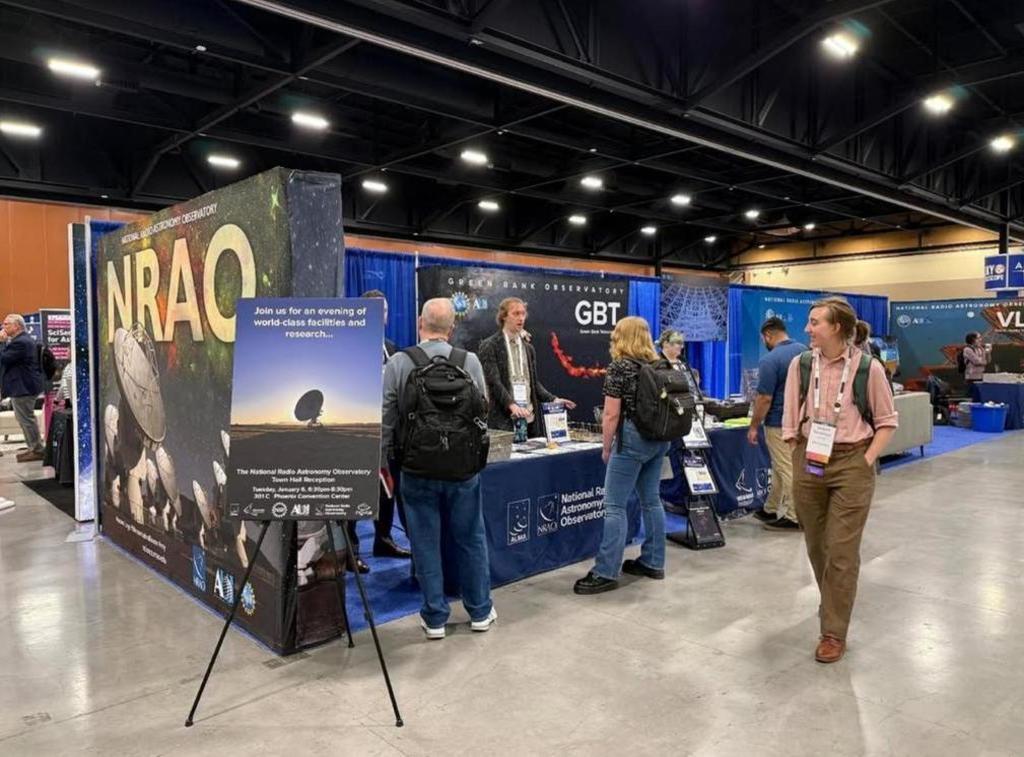
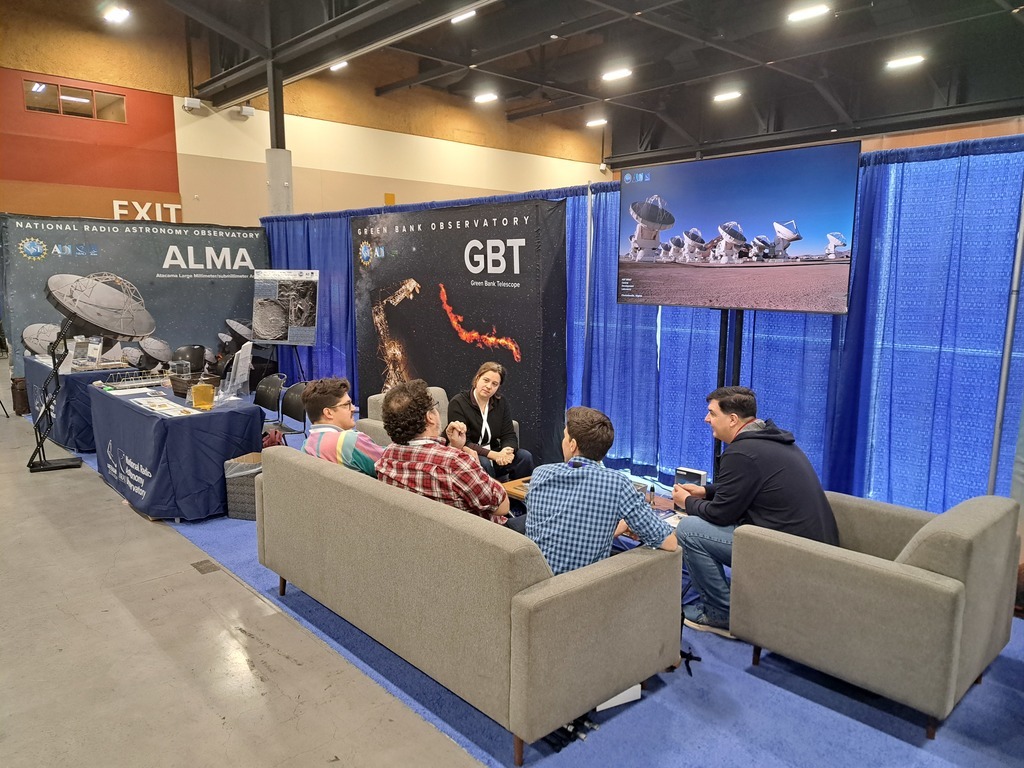
The NRAO exhibition talked with new and seasoned users about the capabilities of the facilities, and new developments like ngVLA and the ALMA Wideband Sensitivity Upgrade (WSU). The exhibit hall allows NRAO and astronomical facilities to share opportunities with first time conference attendees.
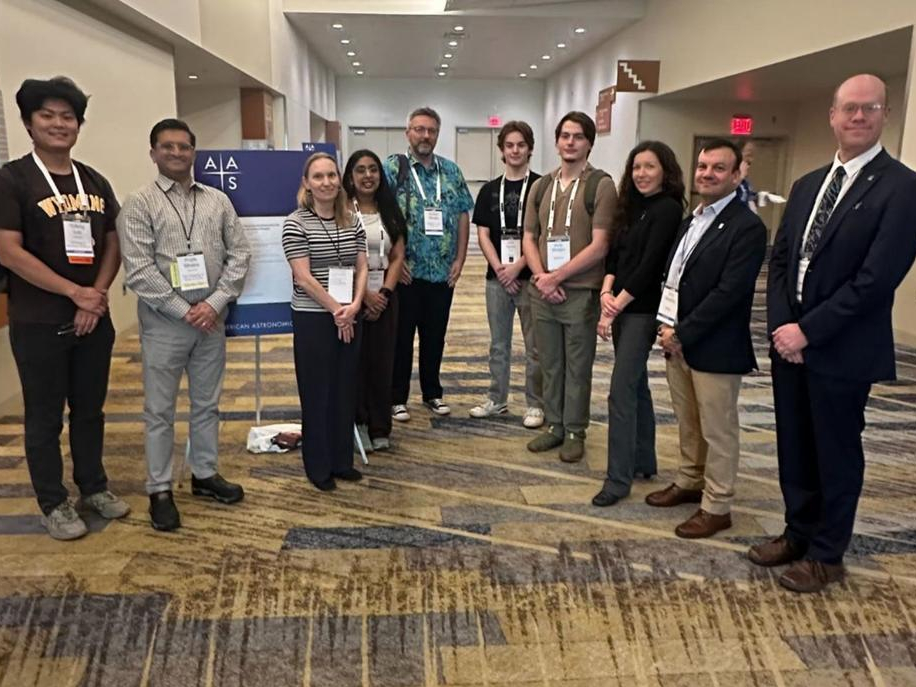
The ALMA special session on Monitoring the Transient Sky discussed WSU and how the upgrade will transform millimeter science by leveraging wide-field surveys, opening the transient window to explore the variability of AGN, jet, and black holes. In addition to the transformational increase in instantaneous spectral grasp and correlated continuum bandwidth, the improved receiver temperatures and overall system efficiency will eventually increase continuum sensitivities by a factor of 3 or more in upgraded bands. For transients, ALMA-WSU will open sub-mm monitoring to a new regime of fainter and farther sources.
CosmicAI project partners, including NRAO, talked about how AI technologies are reshaping the modern science landscape - how we plan observations, optimize growing archives, and deal with the coming large data volumes from new planned facilities. The session included a panel discussion with the audience with members from UTexas, NRAO, NOIRLabs, and SkAI.
The Highest Angular Resolution Frontier session discussed science cases to be addressed by continuing advances in angular resolution and sensitivity, describing a trajectory from the current Very Long Baseline Array (VLBA), to early development of the Next Generation Very Large Array (ngVLA), to the full ngVLA. This transition from the VLBA to the ngVLA provides increasing sensitivity and higher fidelity milli- and micro-arcsecond angular resolution.
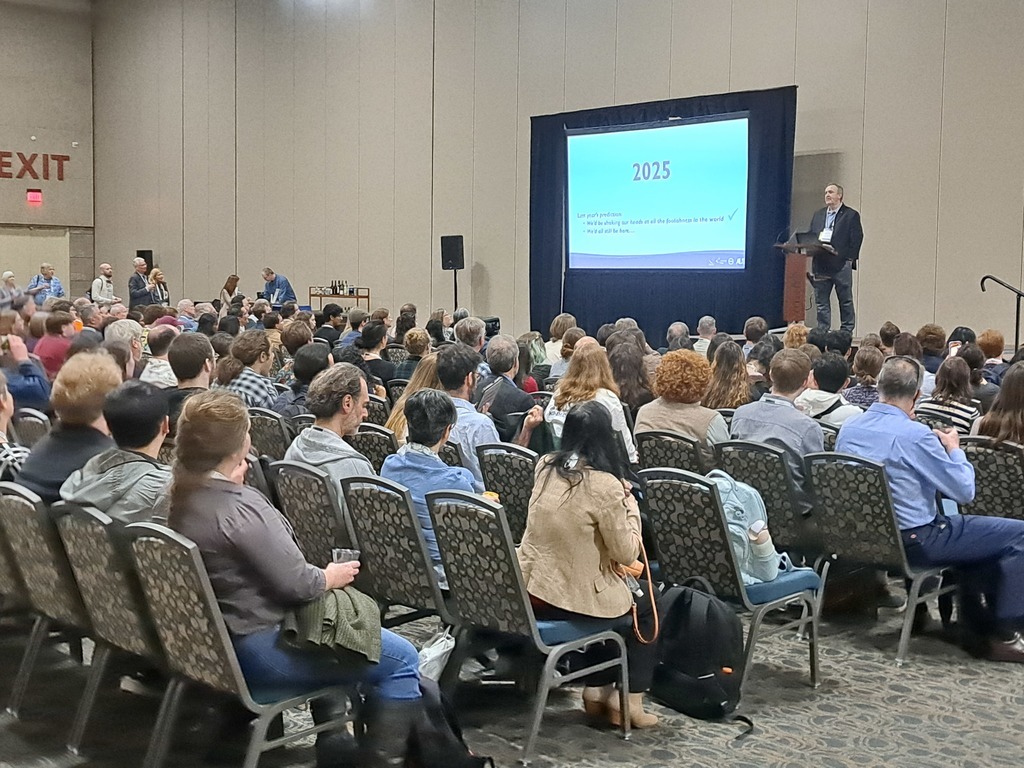
The NRAO Town Hall informed the AAS membership about the status of science, operations, and development ALMA, GBO, VLA, VLBA, CDL, and ngVLA. This popular event has been a highlight of AAS conferences for over a decade. The reception allowed AAS attendees to discuss research and opportunities with NRAO and GBO scientists.
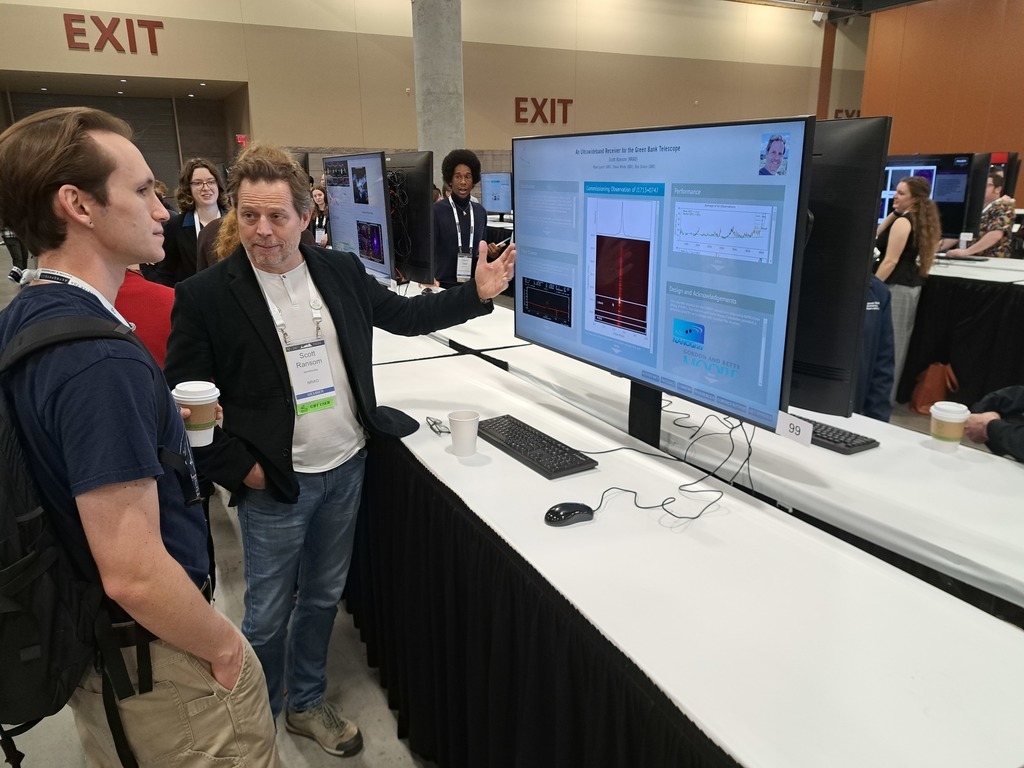
The NSF NRAO Central Development Laboratory (CDL) showed instrumentation pieces at the heart of radio telescopes. The incredible technology used in telescope observations and planning for the future was shared by CDL Director Bert Hawkins in the exhibit hall.
Research talks and posters from staff, students, and users covered research from REU students, pulsars, new hardware developments, software, VLASS, protoplanetary disks, galaxies, and astrochemistry every single day of the conference.
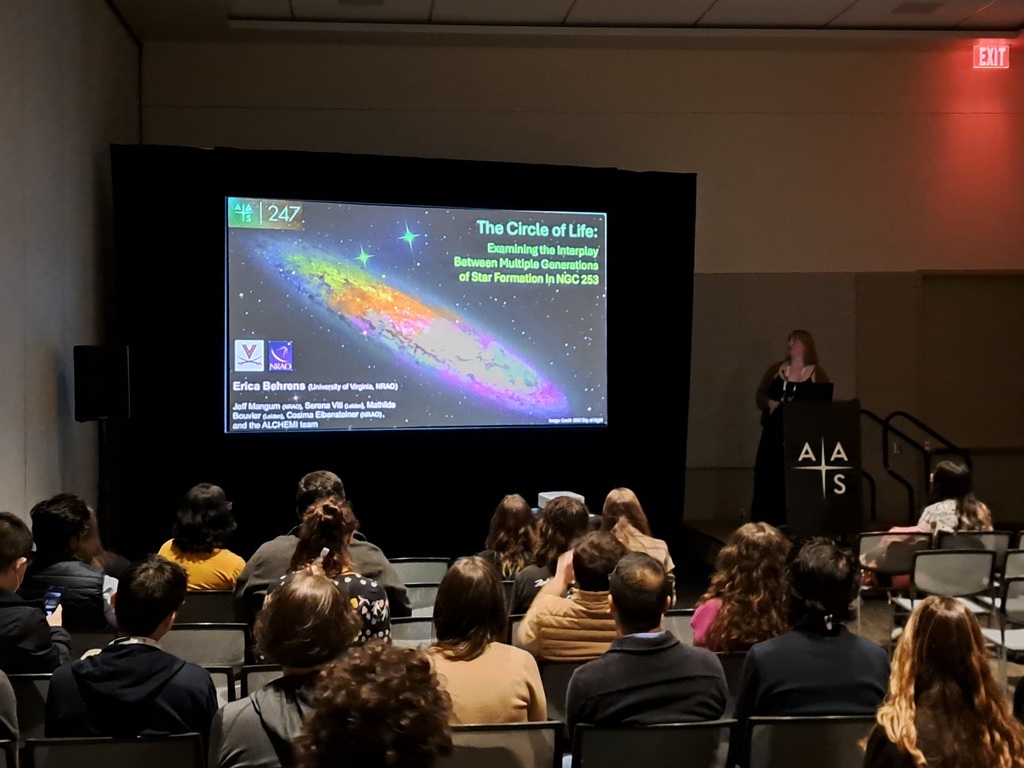
Photos top to bottom: (1)The Phoenix Convention Center hosts the 247th AAS Meeting. (2) Brenne Gregory and Jay Lockman talk about the Green Bank Telescope during the exhibit hours. (3) Robert Minchin discusses New Mexico Operations with AAS attendees. (4) Will Armentrout, Kacey Purcell, Jenn Snyder, and Brenne Gregory showcase new opportunities at the Green Bank Observatory. (5) Emmanuel Momjian and Samantha Garza speak with astronomers in the exhibit hall about NRAO. (6) Scott Ransom describes the new Ultrawideband Receiver plans on the Green Bank Telescope. (7) NRAO Director Tony Beasley addresses the large crowd at the NRAO Town Hall. (8) Erica Behrens (University of Virginia) delivers her dissertation talk on using ALCHEMI to study NGC 253. (9) Bert Hawkins shows instrumentation developed by CDL. Photos courtesy of Todd Buchanan, Phil McCarten, Brian R. Kent, and Brianne Angell.
See the NRAO meeting website and press releases for events that occurred. Thanks to Michelle Stevenson, Terrell Etheridge, and Rod Nenner of the AAS for all their help in making the Exhibition and Town Hall possible.
Photos from AAS 247
 |
|
|
 |
|
|
 |
|
|
 |
|
|
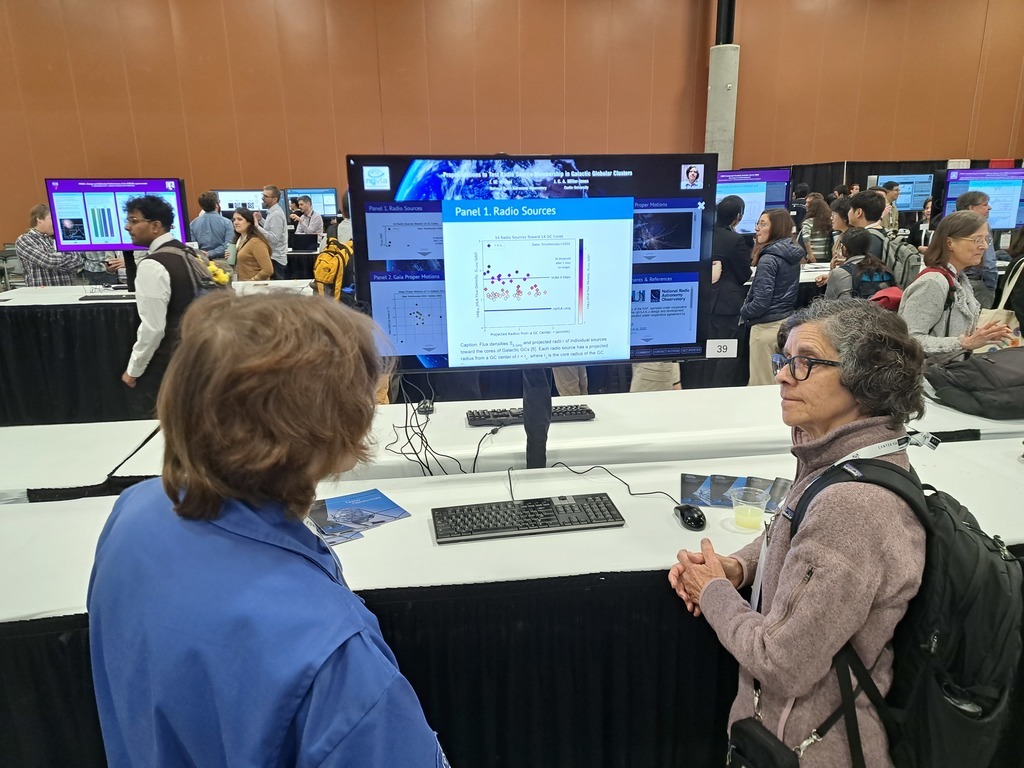
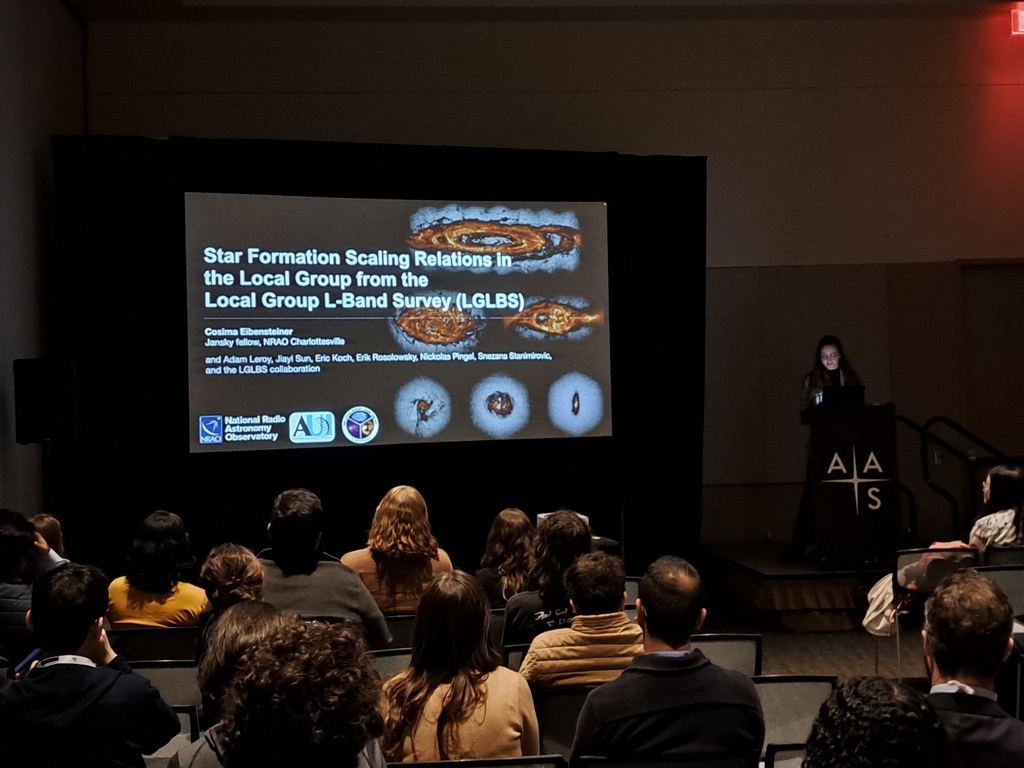
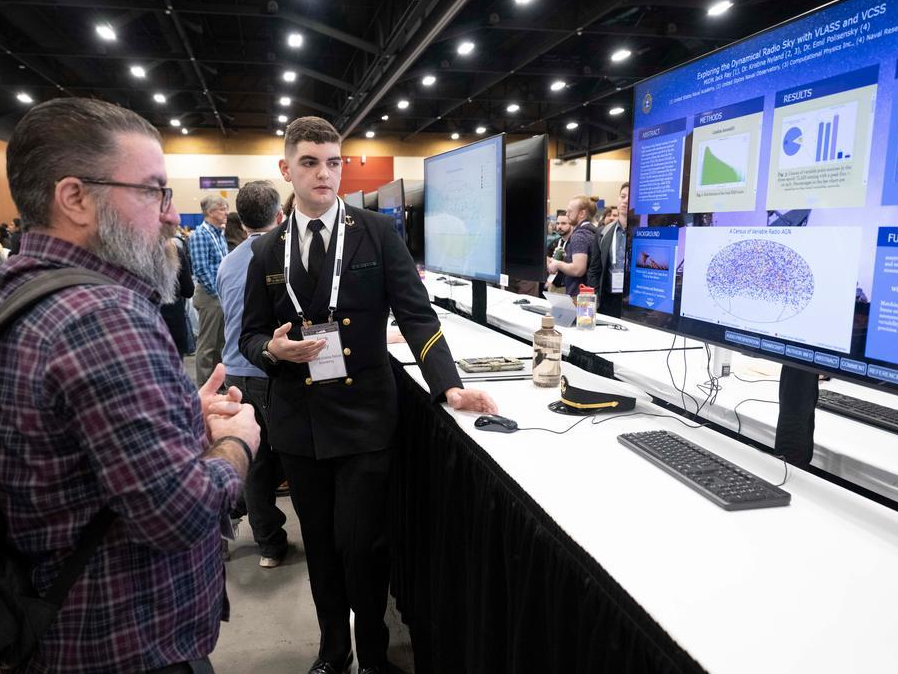
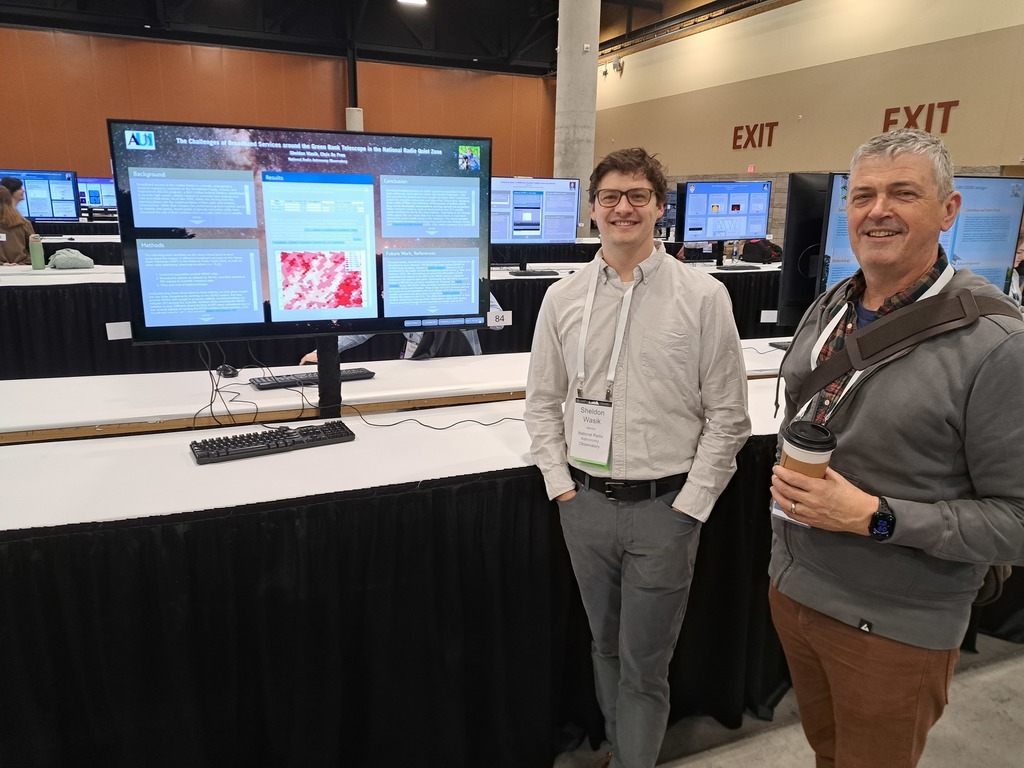
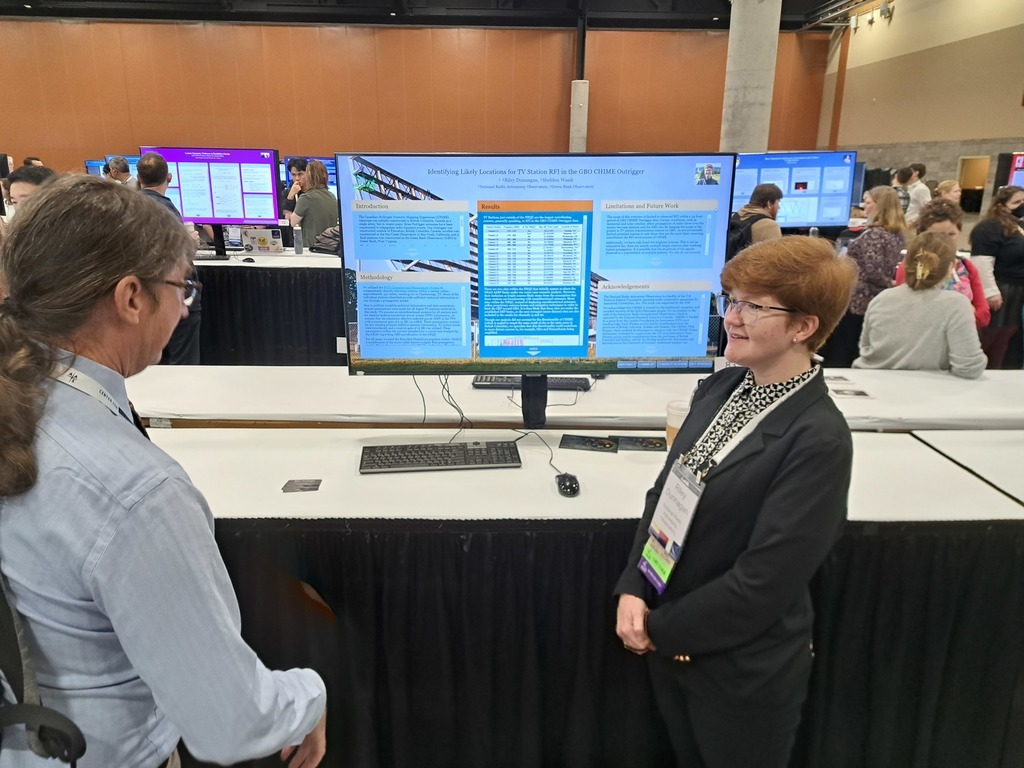
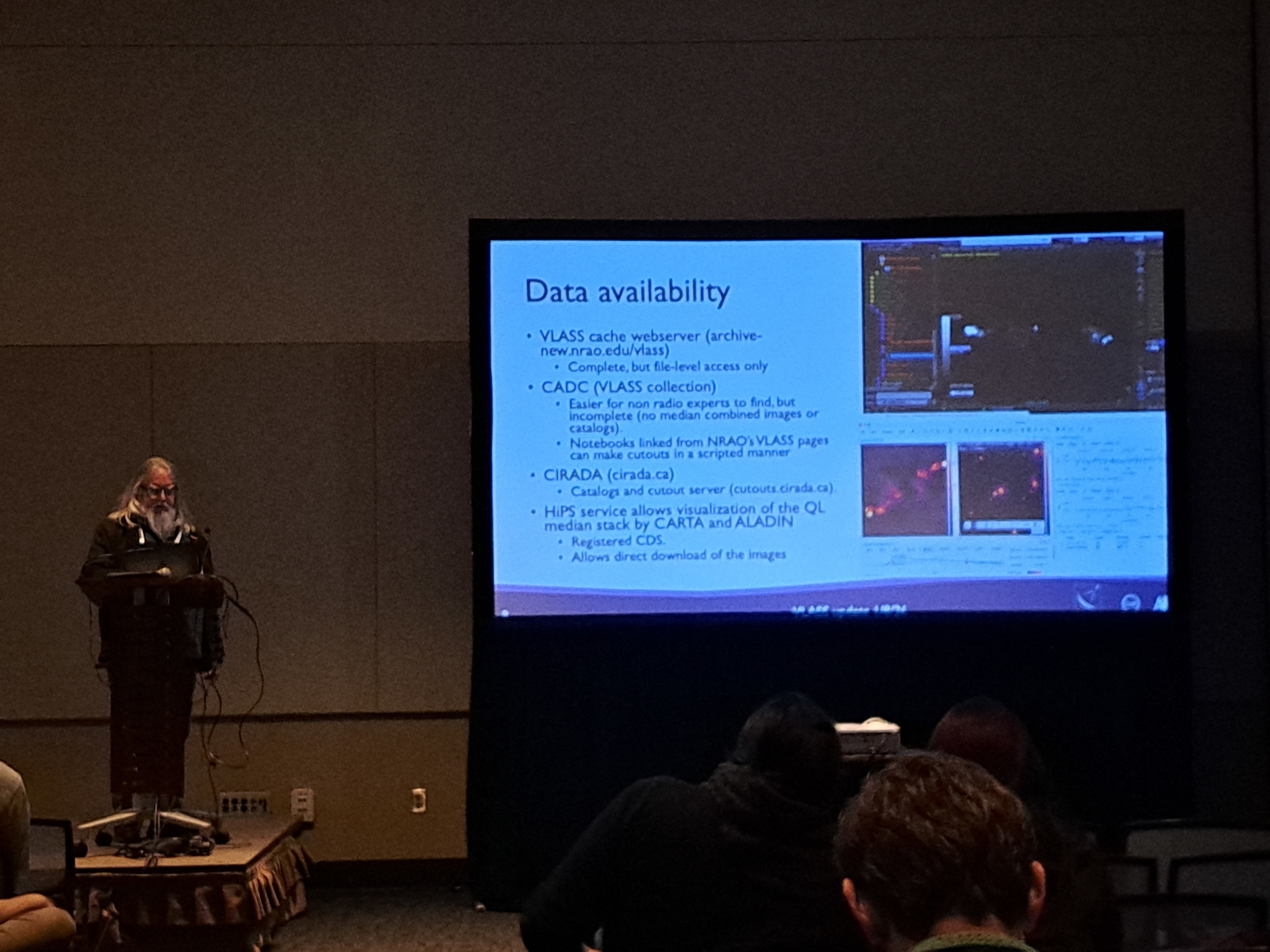
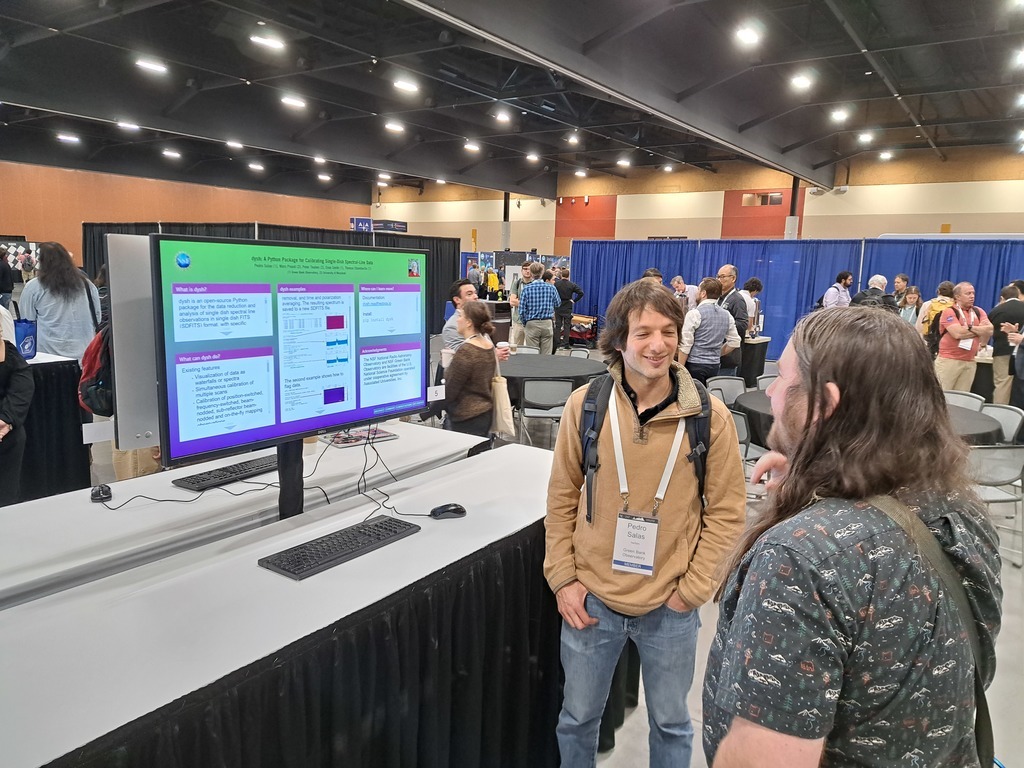
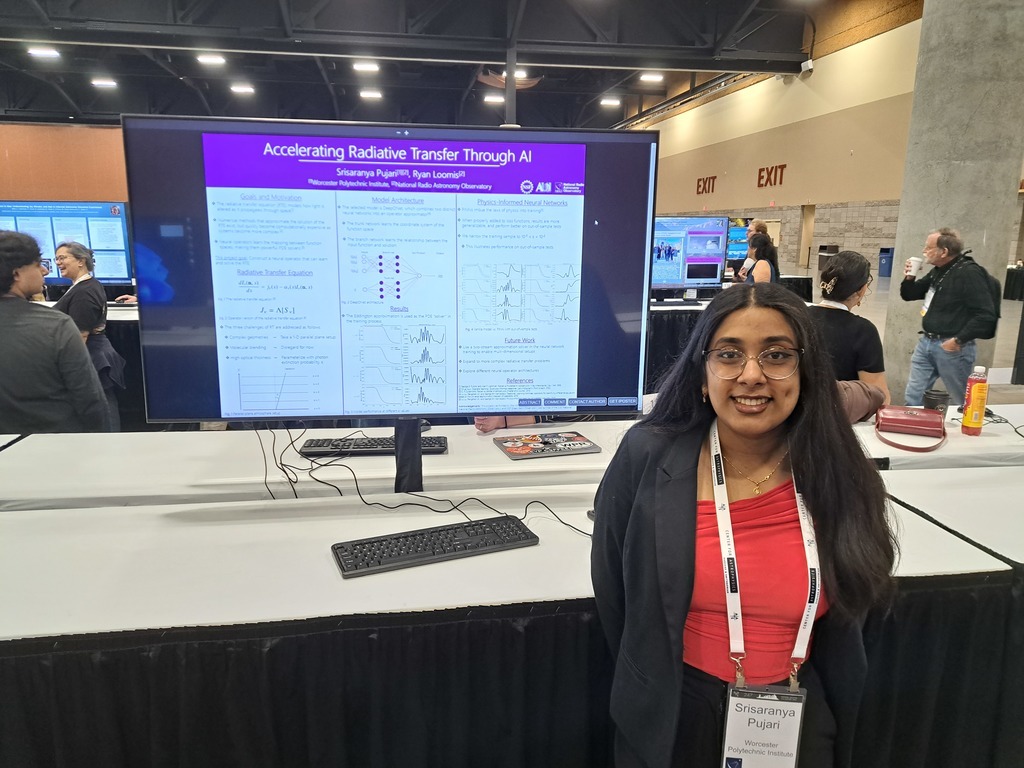
Photos left to right; top to bottom: (1) Joan Wrobel discusses globular clusters during a morning poster session. (2) Jansky Fellow Cosima Eibensteiner talks about her research using the LGLBS survey. (3) MIDN Jack Ray (US Naval Academy) discusses his work using the VLA Sky Survey. (4) Sheldon Wasik and Chris De Pree showcase their poster on broadband RFI around the Green Bank Telescope. (5) Riley Dunnagan talks about detecting RFI with the GBO CHIME Outrigger. (6) Steve Meyers updates the AAS on the latest from the VLA Sky Survey. (7) Andy Lipnicky greets conference attendees and talks about the NAASC. (8) Stella Offner (University of Texas, Austin) leads the CosmicAI group and students at their special session on AI in astronomy. (9) Pedro Salas discusses GBO and dysh at his poster. (10) Srisaranya Pujari discusses AI work with Ryan Loomis during REU summer research. (11) Jenn Snyder talks about Green Bank during the opening reception. (12) Arielle Moullet talks to ALMA users about NAASC programs and science community needs. Photos courtesy of Todd Buchanan, Phil McCarten, Brian R. Kent, Brianne Angell, and Jane Cortez.
Graduate Students in Residence at the Green Bank Observatory
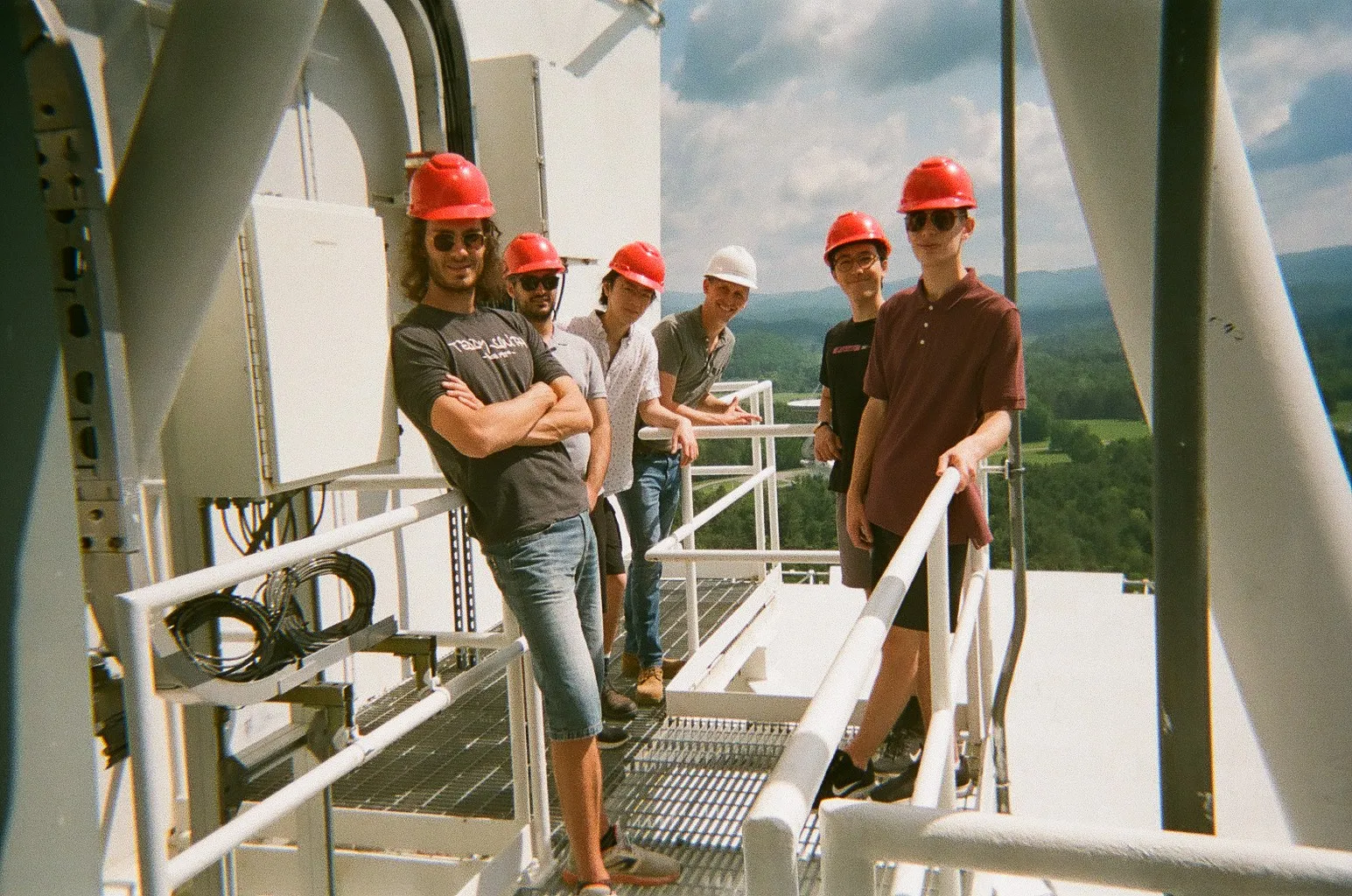
Are you a graduate student who works with Green Bank Observatory data or staff as part of your research program? Apply to spend a few weeks in Green Bank this Summer as a Graduate Student in Residence. We will provide housing and office space free of charge, although we will not pay any stipends as part of this program.
Throughout the Summer, we will offer mini "Single Dish Summer Schools" for visiting graduate students. These schools will involve lectures from staff and the opportunity to observe with the Green Bank 20-meter telescope. Tentative dates for the schools are as follows: May 20-22, June 10-12, July 8-10, July 22-24.
Applications for Summer 2026 are currently open, with rolling admission until all spaces are full. We expect to make initial offers on March 13 and cut off applications by April 24.
Science Spotlight: Unveiling Black Hole Jet Power with ALMA
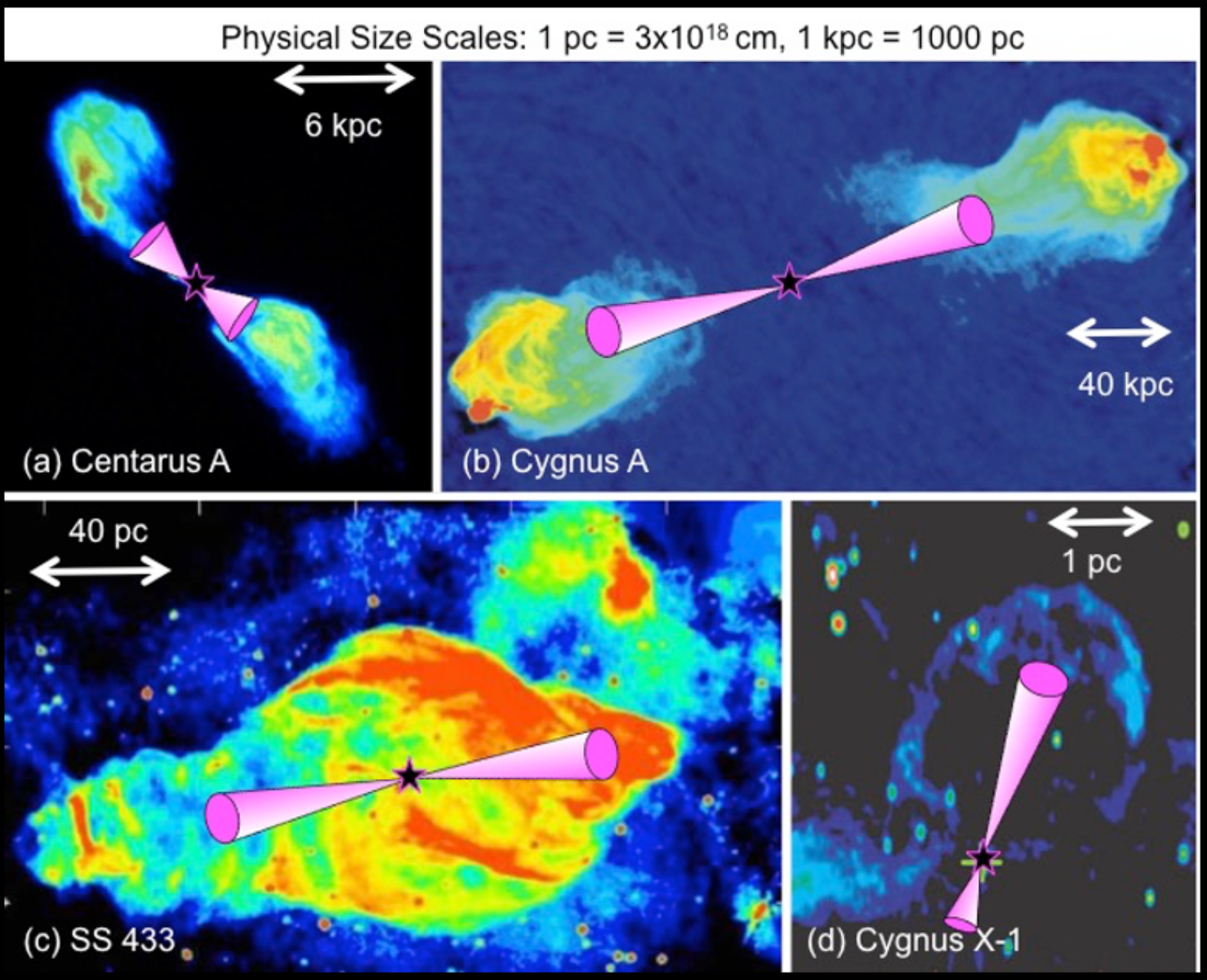
Figure 1: Radio continuum images (from VLA or WSRT) of several jet-ISM interactions around BHs of different scales. The jet direction is roughly represented by the pink cones. The top row depicts radio lobes around active galactic nuclei whereas the bottom row presents interactions around BH X-ray binaries. Combining radio continuum observations with ALMA molecular line velocity-resolved imaging allows us to uniquely constrain, amongst other properties, the velocity structure of the impacted ISM. This information is key to define the kinematics of the jet-shocked region, ultimately leading to reliable estimates of jet energetics. Credit: Alexandra Tetarenko (NSF / AUI / NSF NRAO).
Black Holes (BHs) are some of the most enigmatic bodies in our universe. The extreme conditions under which they form and evolve allow the scientific community to put modern physics to the test, often yielding more questions than answers. Interestingly, the physics governing BHs scale with their mass, meaning that phenomena observed around supermassive BHs at the centers of active galactic nuclei can be similarly studied in stellar mass BHs found within our own galaxy. The advantage of this latter class - typically found in binary systems where a stellar companion feeds the BH through accretion, known as X-ray binary - is that their smaller size leads to faster evolutionary timescales and more compact spatial scales, allowing us to examine BHs closer and more accessible "laboratory."
One of the major open questions in BH astrophysics concerns the origin of the extremely energetic and collimated outflows that they produce. These ejections, usually called jets, carry vast amounts of energy away from the BH, yet the mechanism powering them remains unclear. Constraining the source of this energy requires accurate measurements of the jet power. A promising approach involves identifying interaction regions where jets deposit energy into the surrounding interstellar medium (ISM). By studying the evolution of extended gas structures energized by jets - effectively using them as calorimeters - we can place robust constraints on jet energetics (e.g., Motta et al. 2025, Atri et al. 2025). However, this method is not without caveats: radio continuum observations alone do not provide direct information on gas kinematics, making jet power estimates heavily model dependent.
In my research, we explore an innovative way to constrain BH jet power using ALMA's molecular line imaging capabilities to study the ISM around BH X-ray binaries. ALMA's exceptional sensitivity and angular resolution at millimeter wavelengths allow us to probe the abundance and kinematics of the cold molecular gas surrounding jet-ISM interaction sites. This enables jet power estimates that are more directly tied to observational parameters and also allows us to search for distinctive signatures of jet feedback imprinted on the gas morphology and dynamics (Tetarenko et al. 2018, 2020, Bosch-Cabot et al. 2026).
In my latest work (Bosch-Cabot et al. 2026) we investigate the impact of episodic jet ejections on the surrounding ISM in the systems MAXI J1348-630 and MAXI J1820+070, both of which exhibit decelerating ejecta. Such deceleration is commonly interpreted as evidence of energy exchange between the jets and the ambient ISM. By applying calorimetric techniques to a large number of systems, we aim to characterize the jet power distribution across BH X-ray binaries and ultimately constrain the physical mechanisms responsible for jet production.
Would you like your science or engineering projects featured in the NRAO Science Newsletter? Email the editor Brian Kent with your recent science publications!
ALMA News
ALMA Observing Status
The array is currently in configuration C-3, with 500 m maximum baselines. The observatory is about to enter the February engineering/maintenance shutdown period, corresponding to the heart of the Southern Summer. Observations are anticipated to resume around March 1st in configuration C-1.
Apply to have your ALMA-related Research Team Meeting hosted at NRAO-Charlottesville
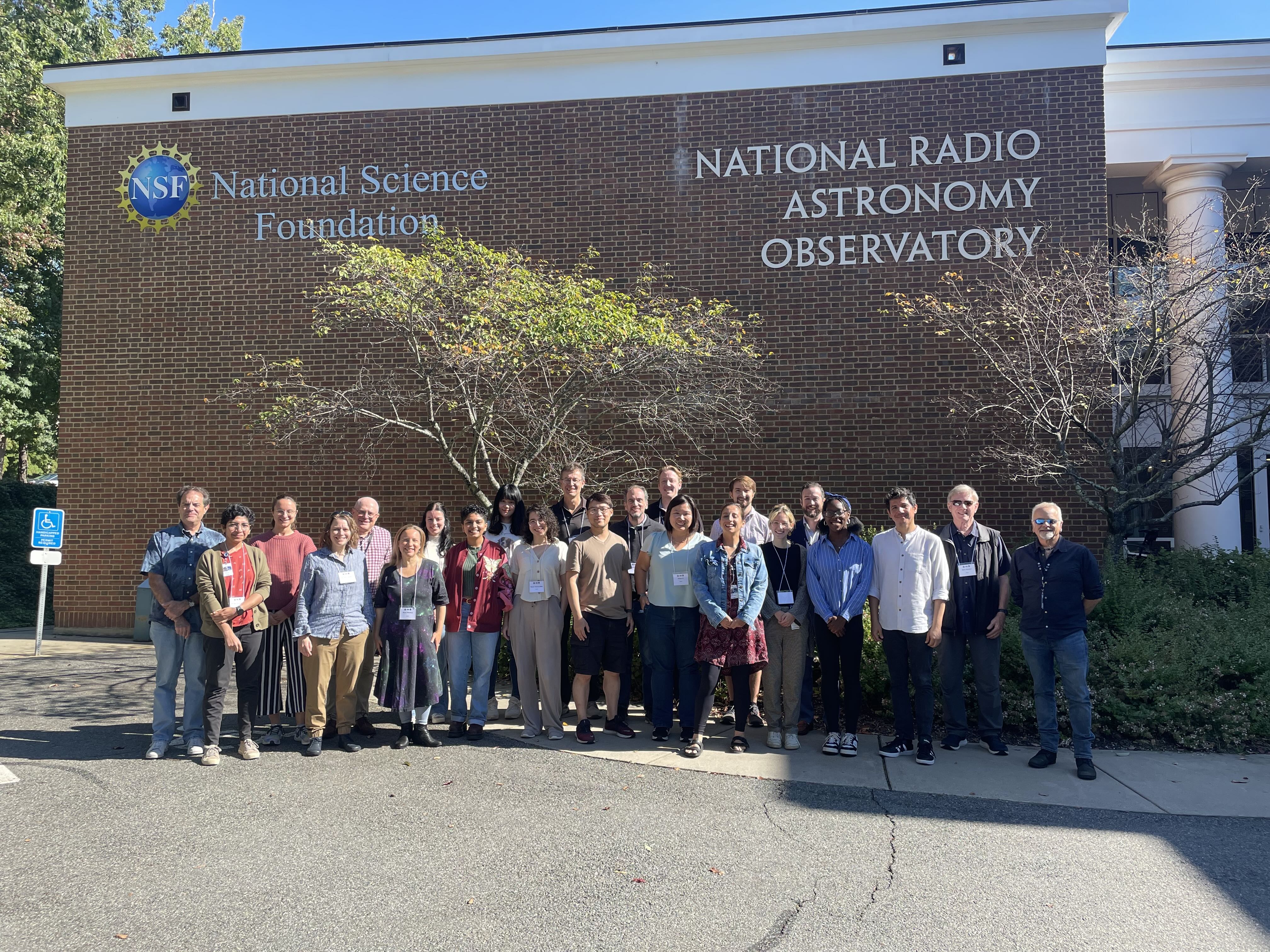
The NAASC invites ALMA-related research teams to apply to hold their collaboration meeting at the NRAO Headquarters in Charlottesville. The NAASC can support your team's scientific productivity by offering local resources and facilities, following the example of successful recent events. We anticipate that up to two collaboration events can be hosted in 2026. Events will be offered the use of the NRAO auditorium or meeting rooms, NRAO meeting planner support before and during the event, and more. Participants will be responsible for expenses such as travel, lodging, meals, registration fees. More details about eligibility and offered services are available on the Meeting Support website. To submit an event proposal for this call, members of the North American scientific community should apply on behalf of their research team / collaboration through this online form. Applications received by February 15, 2026 will receive full consideration. Selection will be based on feasibility and scientific relevance to ALMA. For any questions about this program please email the NAASC.
Pre-announcement of the conference "ALMA at 15 years: Science, Synergies, and the Road Ahead"
We are pleased to announce that the international conference ALMA at 15 Years: Science, Synergies, and the Road Ahead will be held in person from Feb. 22-26, 2027, at Academia Sinica's Nangang campus in Taipei, Taiwan. The conference will highlight ALMA's latest results, especially since the last Pan-ALMA conference held in 2023, and identify exciting directions for future ALMA research. The program will feature invited and contributed science presentations, along with updates on the Wideband Sensitivity Upgrade (WSU), tutorial sessions on the archival and CARTA systems, and discussions of future ALMA prospects. Talks and posters presenting scientific work using ALMA and/or its synergies with other facilities across all areas of astronomy are welcome. Further details will be announced in March.
Important Dates
- March 2026: First conference announcement
- May 2026: Registration and abstract submission open
- July 2026: Abstract submission (talks/posters) and registration close
The ALMA Wideband Sensitivity Upgrade (WSU)
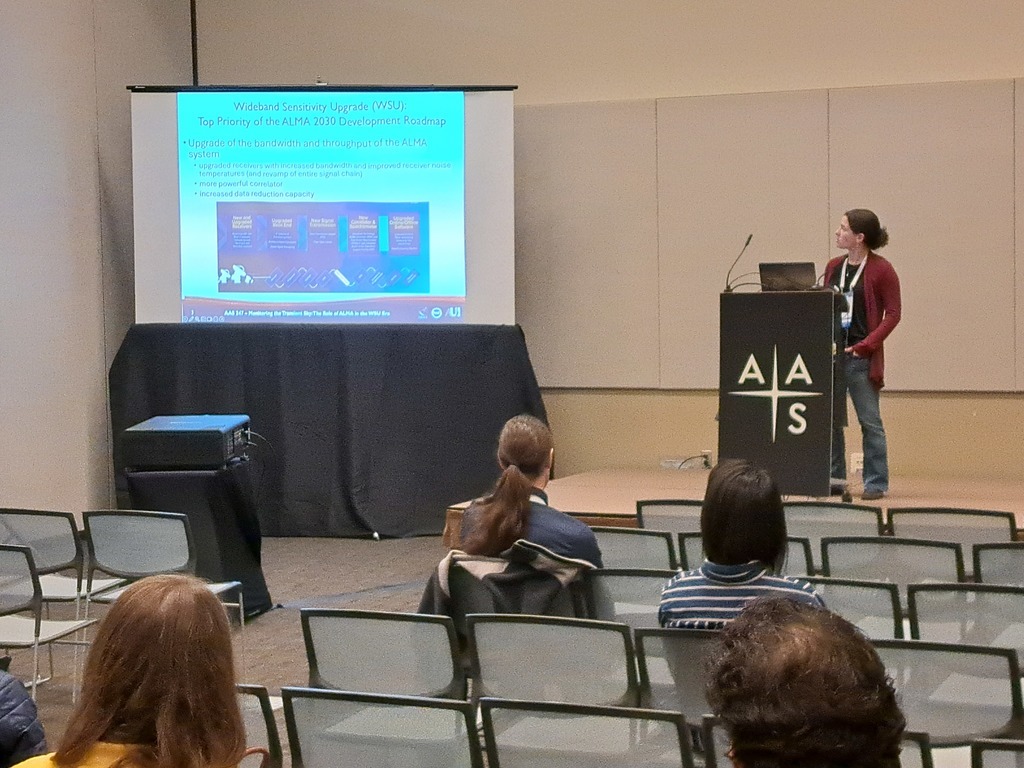
Photo left: NAASC Scientist Jennifer Donovan Meyer presents all about the new WSU capabilities at AAS 247.
WSU was presented at the AAS 247th meeting in Phoenix, AZ, with a special session on time-domain science (see the presentation slides), and a new leaflet summary distributed at the NRAO exhibition. The NAASC is grateful for the many conversations and contributions from community members at AAS.
The WSU program continues to advance with upcoming review meetings, including Preliminary Design reviews for Band 6v2 and for Software Adaptations in March, and for Band 8v2 in April. You can find the most up-to-date information about the WSU project and its scientific impact on the ALMA Observatory WSU webpage; resources for the North American community can be found on the NAASC WSU webpage.

Photo right: NAASC Scientist George Privon talks about the successful ALMA Ambassadors program in the AAS 247 exhibit hall.
Upcoming event: The End of Star Formation, March 2-6, 2026
Registration is still open for the conference The End of Star Formation, to be held at the University of Illinois in Champaign-Urbana, IL, March 2-6, 2026. More information can be found at the conference website. The idea of this meeting is to bring together observers, with experience at all wavelengths, and theorists working on rapid quenching at any simulation scale. With a focus on discussion and model-observation comparison, we aim to identify the biggest open questions on how and why galaxies quench, and collaboratively discuss which areas are most critical for advancement.
ngVLA Project News
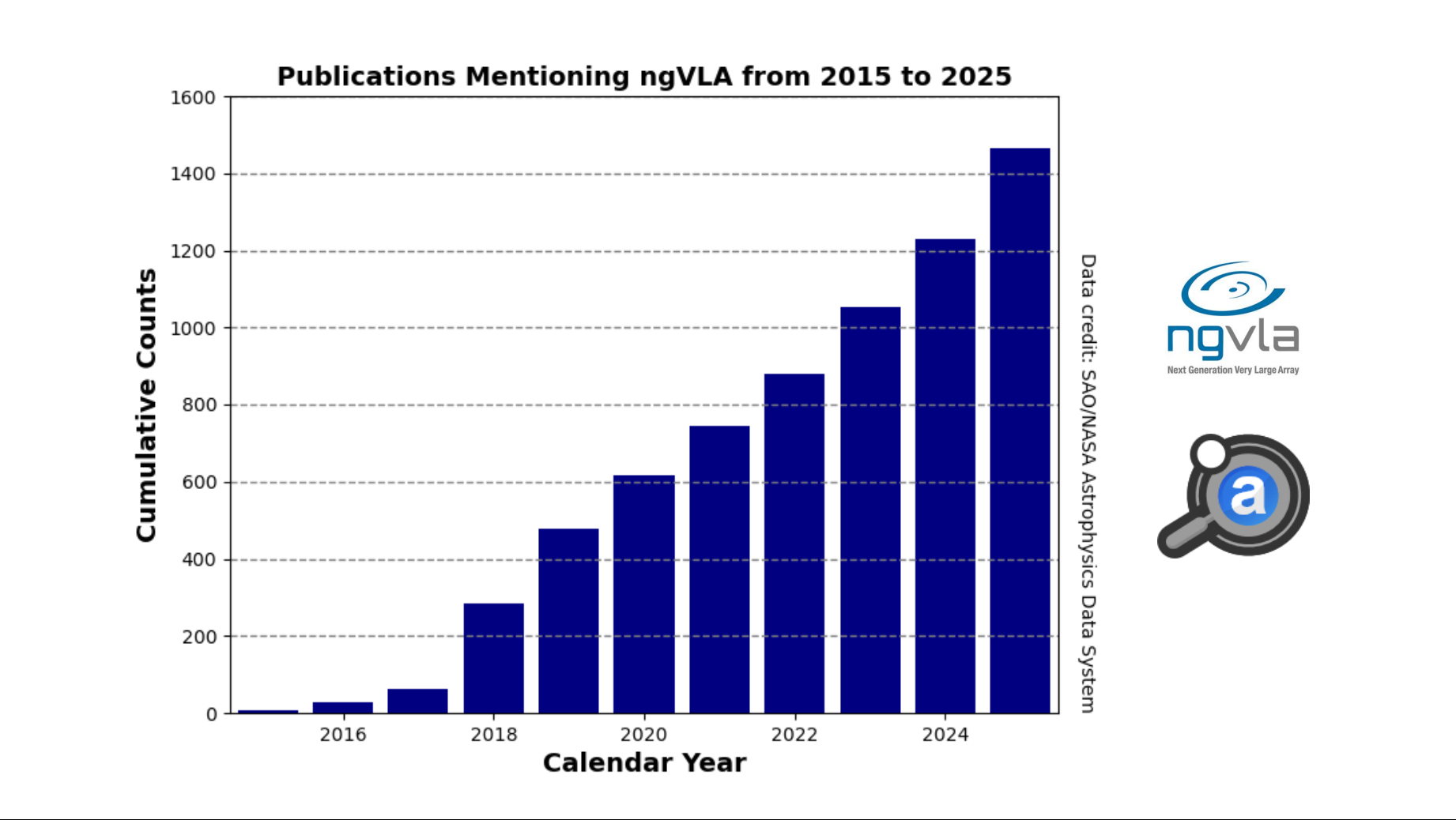
Publications Mentioning ngVLA Surpass 1460
The ngVLA was first discussed at a community workshop in 2015. During 2015-2025 the acronym ngVLA has appeared in 1465 publications indexed in the SAO/NASA Astrophysics Data System. This count features almost equal numbers of refereed and non-refereed publications. The metric is a testament to the community's unwavering enthusiasm for the ngVLA. A big thank you to all publication authors!
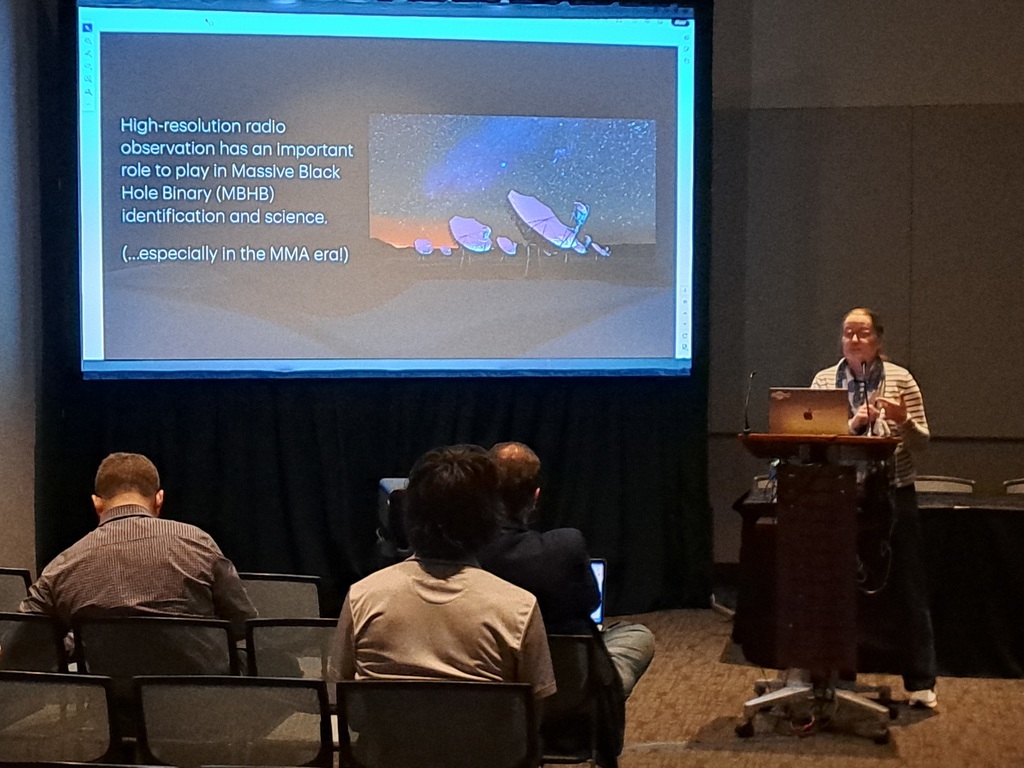
AAS Splinter Session 150: The Highest Angular Resolution Frontier
The NRAO and the ngVLA project convened a Splinter Session titled The Highest Angular Resolution Frontier on January 7, 2026 at the 247th meeting of the American Astronomical Society, in Phoenix, Arizona, USA. This session highlighted recent science breakthroughs enabled with milli- and micro-arcsecond angular resolutions. It also discussed future science possibilities that demand joint improvements in angular resolution and sensitivity.
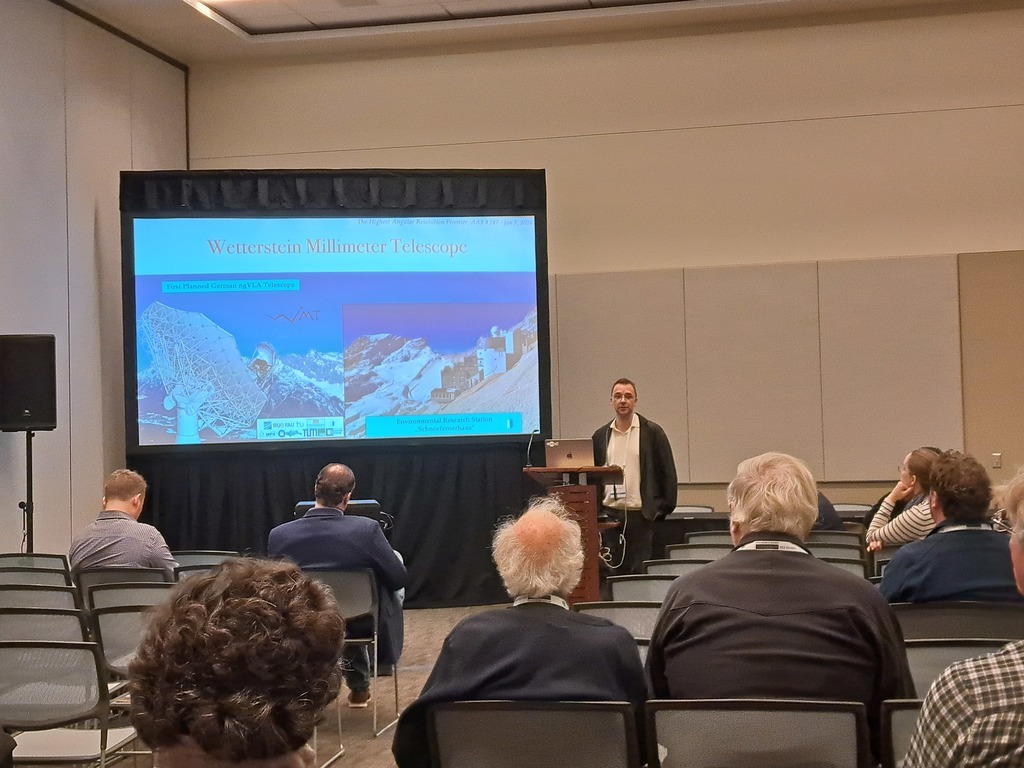
To broaden information sharing, pdfs of the session's presentations are available on the ngVLA website.
Sarah Burke-Spolaor (WVU and JHU; above) and Matthias Kadler (Julius-Maximilians-Universitat Wurzburg; right) talk about Multi-Messenger Astronomy at High Resolutions and VLBI Probes of Neutrino Emission Processes in Blazars during the AAS Splinter Session
2nd Annual Cosmic Horizons Conference
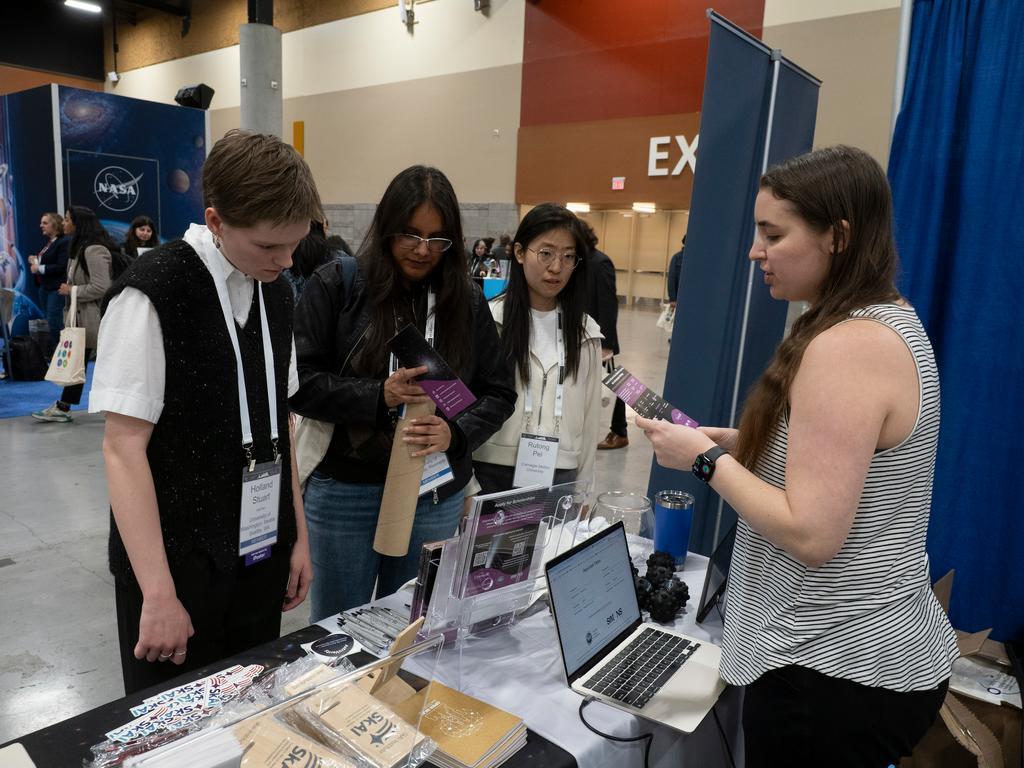
We are excited to announce the 2nd Annual Cosmic Horizons Conference hosted by the NSF-Simons AI Institute for Cosmic Origins and the NSF National Radio Astronomy Observatory! We are now accepting abstract submissions for both speakers and posters!
The recent revolution in AI is fundamentally changing how astronomers observe, explore, analyze, and model astronomical data. The Cosmic Horizons Conference aims to bring together researchers who are actively developing and applying AI/ML methods in astronomy.
Location: Charlottesville, Virginia
Building on the success of last year's Cosmic Horizons Conference, which brought together more than 40 presentations and fostered interdisciplinary dialogue across artificial intelligence, machine learning, and astronomy - the upcoming conference will continue to center the needs and ideas of the scientific community as well as provide updates on the Institute's progress and the opportunity to discuss how CosmicAI may best serve the community.
- January 20th - Speaker & Abstract Submission Opens
- February 2nd - Registration Opens
- March 1st - Abstract Review Begins
- April 1st - Abstract Submissions Close
- May 1st - Abstracts Announced & Initial Program Released
Visit the conference website to submit abstracts, register on February 2nd, and learn more.
Above: Jane Cortez discusses the new initiatives and opportunities provided by CosmicAI at the 247th meeting of the American Astronomical Society in Phoenix, Arizona, January 2026. Photo courtesy of CorporateEventImages/Todd Buchanan 2026.
National Radio Quiet Zone Concurrence Applications
The NRAO Spectrum Management Department (SMD) has been tracking National Radio Quiet Zone (NRQZ) applications for decades, maintaining an easily accessible database since January 2022. Though no major cyclical trends have been observed over the past 4 years, the months with higher numbers of applications are generally related to cellular network upgrades at existing towers. December 2025 saw the highest number of applications across the 4-year period, consisting of 104 applications from numerous applicants across a range of frequencies and locations. Figure 1 displays the number of applications received per month since logging started, and Figure 2 displays the number of facilities received by frequency band during this period where the left (smaller) plot shows all applications, and the right (larger) plot is a detailed view showing the vast majority of applications that are below 30 GHz.
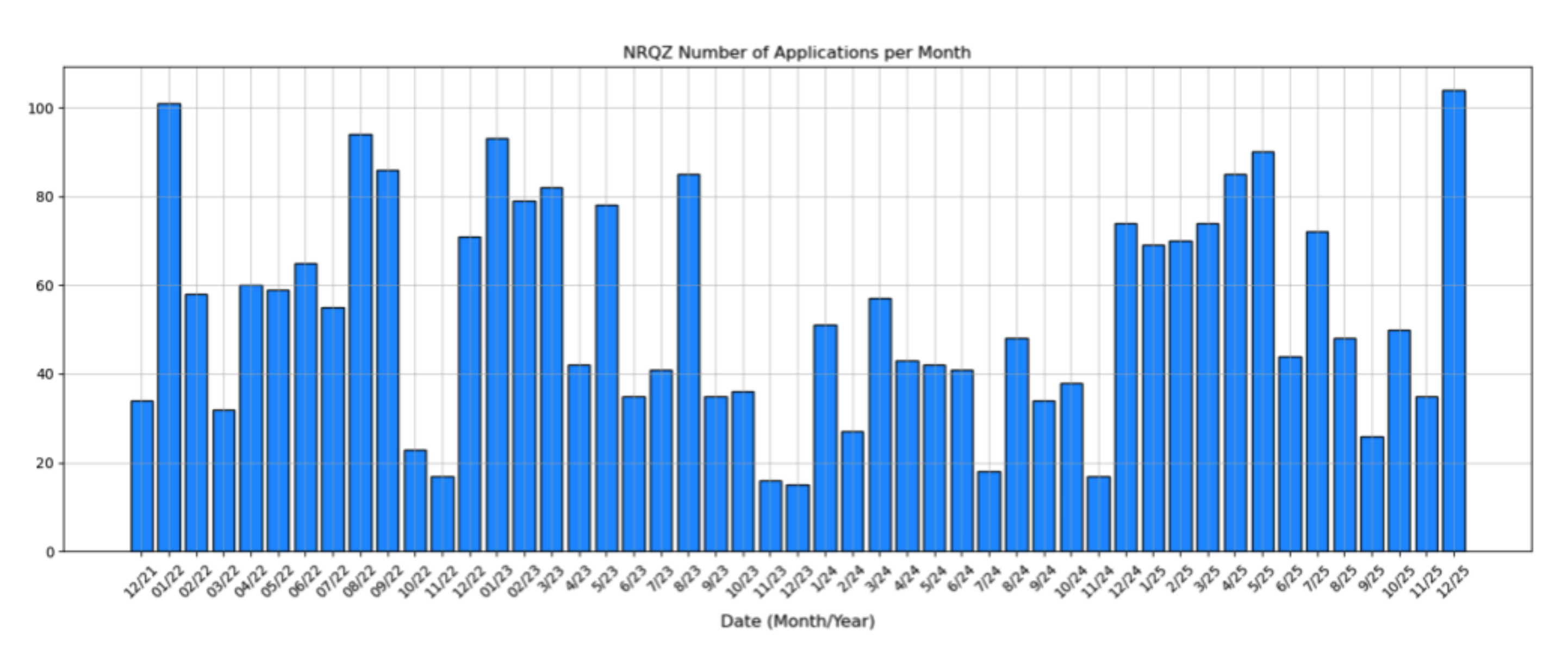
Figure 1: Number of applications received per month since logging started in January 2022.
The NRQZ Office evaluates applications by reviewing the submitted technical information, running an RF propagation model between the transmitting antenna and the prime focus of the Green Bank Telescope (GBT), and comparing the computed power flux density at the GBT with frequency dependent thresholds established by the FCC in the 1958. A letter of concurrence is then issued when the applicant has met the requirements or demonstrated how the requirements will be met. Visit the NRQZ website for more information on the NRQZ coordination processes.
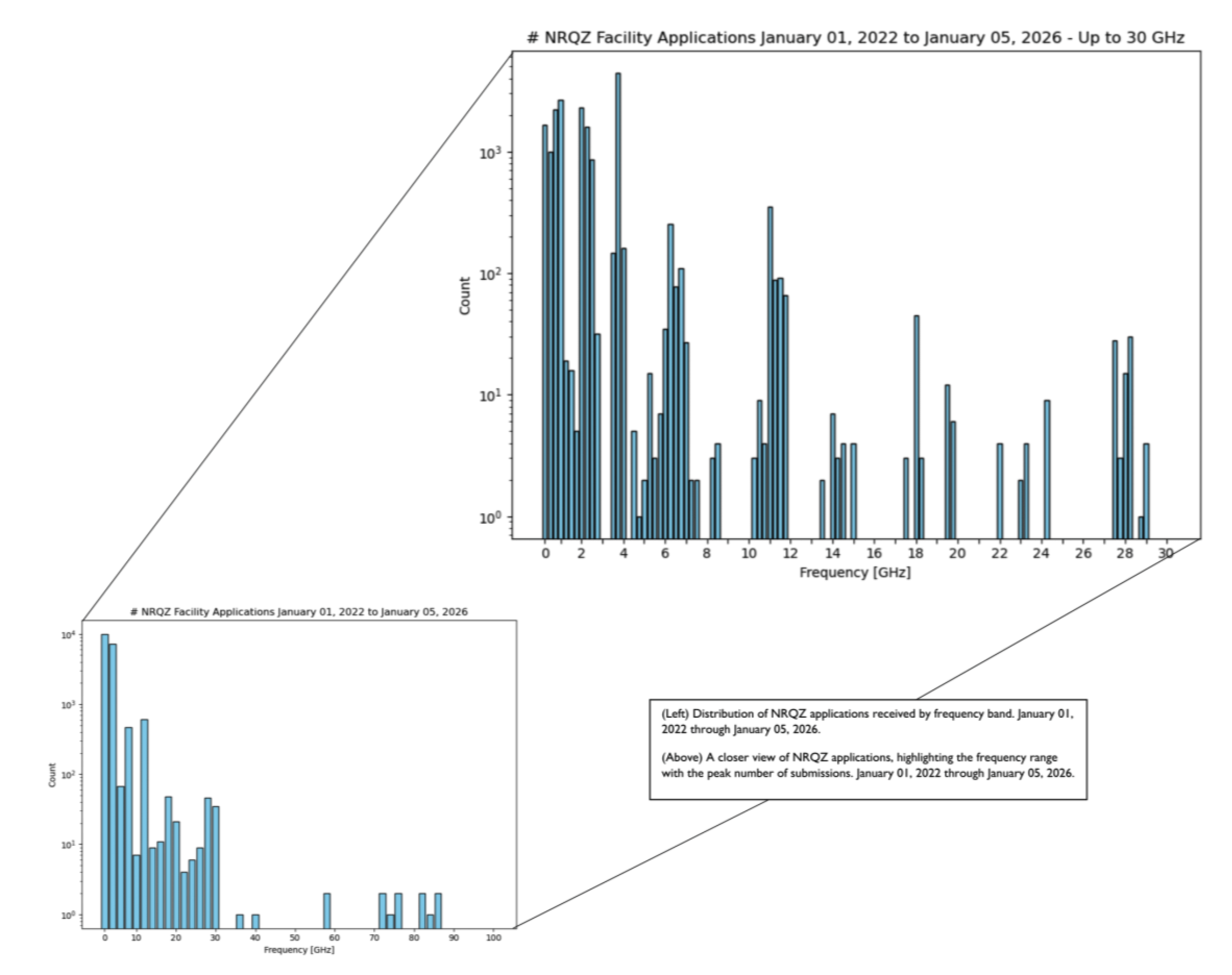
Figure 2: Number of facilities received by frequency band since logging started in January 2022. A single site may contain a number of different facilities (e.g. technologies). Click to enlarge.
Arizona Radio Observatory 2026A Call for Proposals
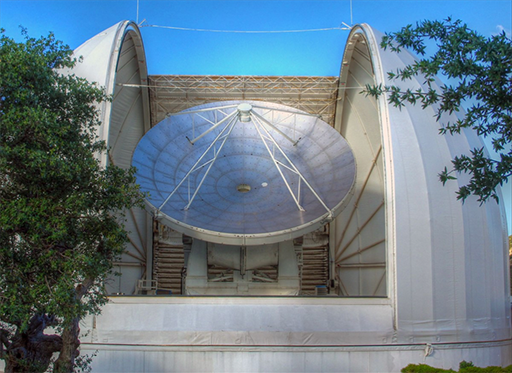
The University of Arizona's Steward Observatory solicits proposals for Arizona Radio Observatory (ARO) 12-meter Telescope (12M), located on Kitt Peak, Arizona.
Proposals are invited for observations with the 4-band receiver, which covers the 4, 3 (ALMA Band 3), 2, and 1 (ALMA Band 6) mm bands, and the AROWS backend, offering bandwidths of 20 to 4000 MHz and channel spacings ranging from 9.8 to 625 kHz. In case of oversubscription, preference will be given to Arizona institutions (UA, ASU, and NAU) and student thesis proposals.
Proposers are requested to fill out both pages of the cover sheet, science justification (two pages), technical justification (two pages), and past allocation update (one page).
At this time, no proposals are solicited for the UA ARO Submillimeter Telescope (SMT; Mount Graham, Arizona) pending completion of science verification of a dual-band receiver and digital spectrometer that support concurrent dual-polarization sideband-separating observations at 1 mm (210 - 275 GHz SIS) and 0.8 mm (275 – 373 GHz SIS) with bandwidths of 15.6 kHz to 1 MHz.
The deadline for 12M proposals is 23:59 MST on February 6, 2026. View the ARO Call for Proposals for complete instructions. Proposals will be reviewed by the ARO TAC, which will make scheduling recommendations to the Director of Steward Observatory.
SMA 2026A Semester Call for Proposals
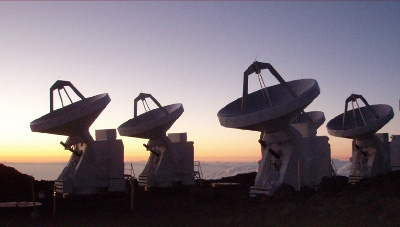
The next Call for Standard Observing Proposals for observations with the Submillimeter Array (SMA) is for the 2026A semester with observing period nominally May 16, 2026 - Nov 15, 2026 (subject to adjustment as needed).
We are still in the planning phase for 2026A, which we expect to be partly constrained by significant infrastructure work at the SMA site. The submission deadline will likely be in early to mid-March 2026 but is not yet finalized. As soon as the deadline is fixed, we will alert all our past users and interested parties via email and on the SMA Observer Center (SMAOC). The full Call for Proposals, with details on time available and the proposal process, will be available at least four weeks prior to the deadline, also at the SMA Observer Center.
Details are here about SMA capabilities and status; proposal creation and sub- mission is also done through the SMAOC. We are happy to answer any questions and to assist in proposal submission; email with any inquiries.
STEAM Education Opportunities with NSF NRAO
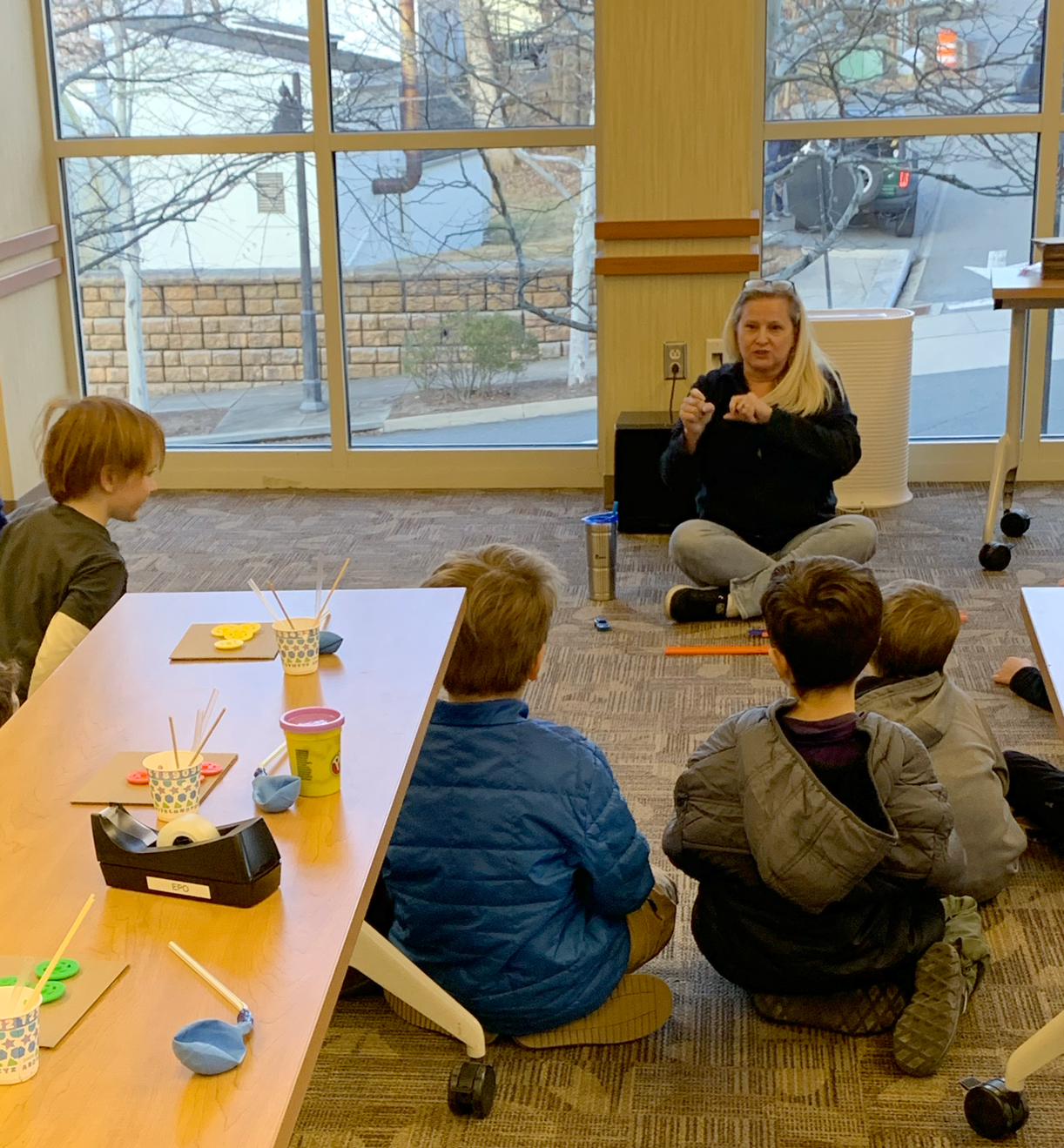
NSF NRAO STEAM Ed has been involved with many educational outreach inititatives, after school programs, and events at local libraries. Planetariums, straw rockets, and building Mars rovers make up many of the exciting activities available to young students while sharing the excitement of science. Monthly sessions at five local Virginia libraries - Crozet, Gordon Ave, Greene Co., Louisa Co., and Scottsville are continuing with great success.
If you are interested in these innovative programs, please contact Terry Lowry.
Recent Science Media Releases
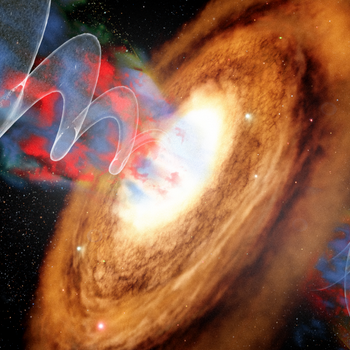 |
VLA Helps Reveal Record-Breaking Stream of Super-Heated Gas from Nearby Galaxy
|
 |
Radio telescopes uncover "invisible" gas around record-shattering cosmic explosion |
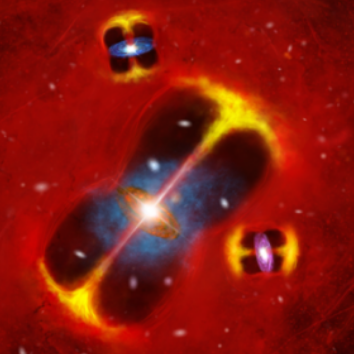 |
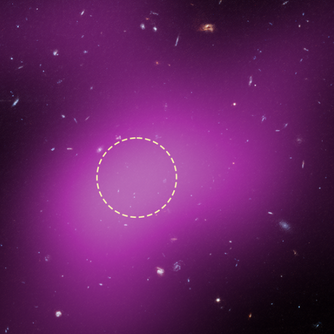
New Discovery Challenges Evolution of Galaxy Clusters |
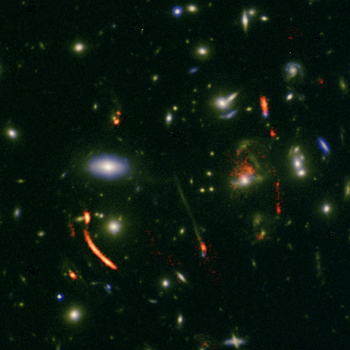 |
Cosmic Lens Reveals Hyperactive Cradle of Future Galaxy Cluster |
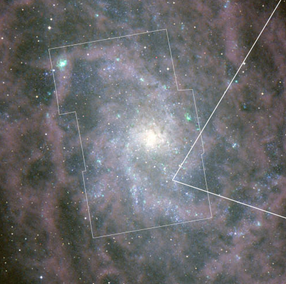 |
Stars That Die Off the Beaten Path |
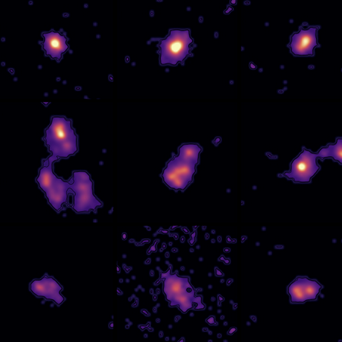 |
Young Galaxies Grow Up Fast |
 |
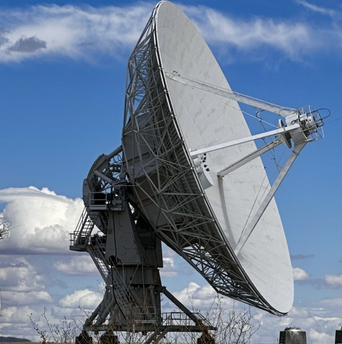
NSF NRAO Radio Telescopes Help Reveal Cloud-9, a Starless Dark-Matter "Failed Galaxy" Near M94 |
 |
Hidden Giants of the Early Universe: NSF NRAO Telescopes Help Reveal Divergent Fates of the Most Massive Galaxies |
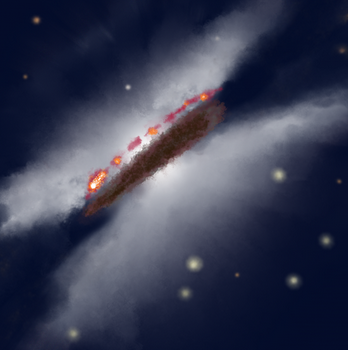 |
ALMA Devours Cosmic "Hamburger,"" Reveals Potential for Giant Planet Formation |
|
Contact the NRAO press office to share your new and exciting science results. |
From the Archives
Ellen Bouton
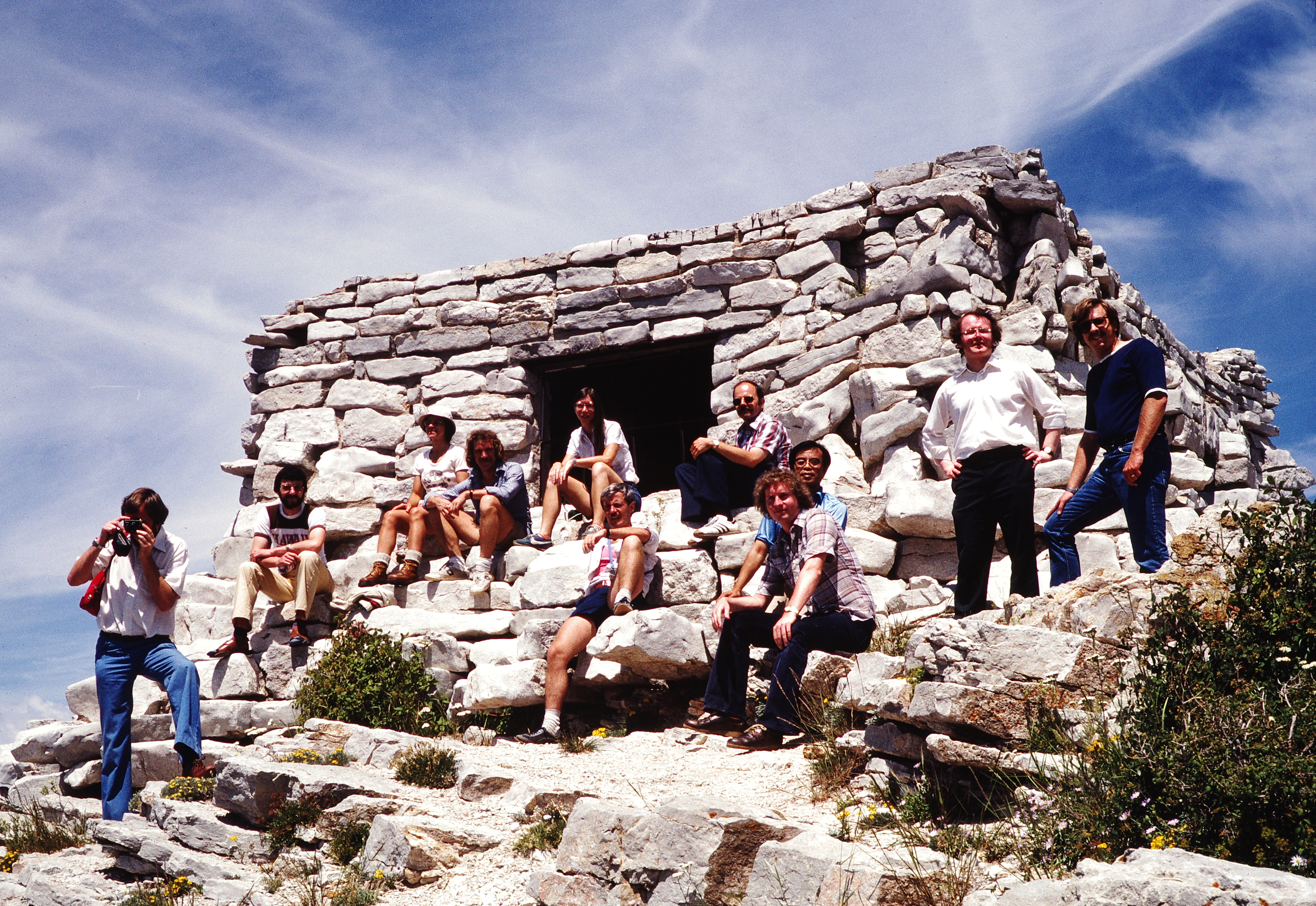
In 1981, 200+ astronomers converged on Albuquerque, New Mexico, USA, to share their latest theories and observations of extragalactic radio sources. The conference, IAU Symposium 97, featured early results from the VLA, which had been dedicated the previous year. Mid-conference outings included hiking the Kiwanis Cabin Trail atop Sandia Crest. Astronomers resting at the Cabin include (left to right) Bob Fosbury, Andrew Wilson, Joan Wrobel, Wil van Breugel, Linda Dressel, Lorenzo Zaninetti, Richard White, Tim Heckman, Qifeng Yin, Robert Laing, and Jeff Puschell. Bob Fosbury is photographing the photographer, Craig Walker. Photo courtesy of Craig Walker. Thanks to Joan Wrobel and Craig for caption information.
From the Archives is an ongoing series illustrating NRAO and U.S. radio astronomy history via images selected from our collections of individuals' and institutional papers. If readers have images they believe would be of interest to the Archives, please contact Ellen Bouton.