NRAO Newsletter
Volume Vol#, Issue Iss#
Day# Month# Year#
NRAO Newsletter
Volume Vol#, Issue Iss# • Day# Month# Year#
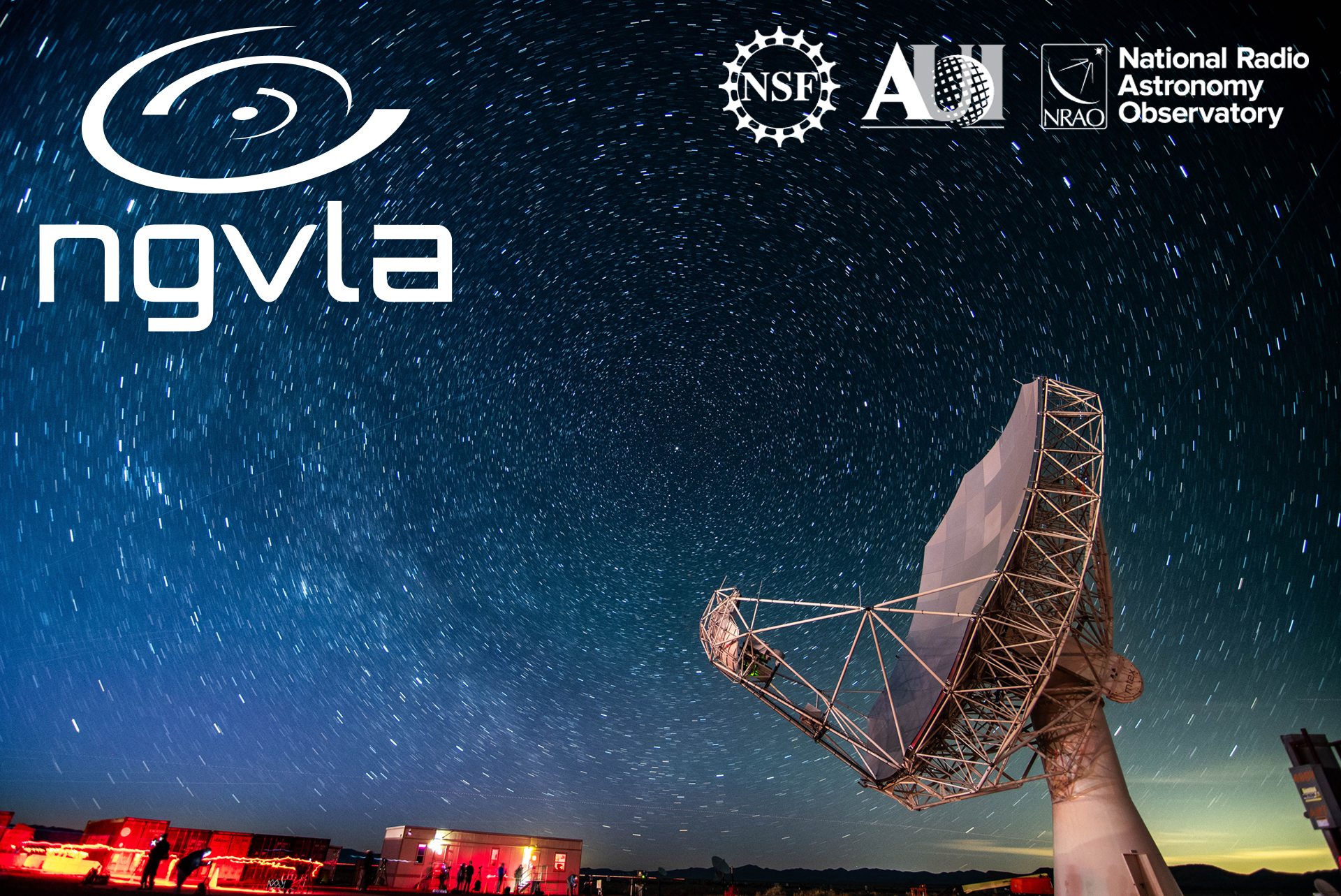 The beautiful New Mexico night sky over the new ngVLA prototype antenna (Photo courtesy of Scott Broadwell, NSF / AUI / NSF NRAO), taken during the April astrophotography workshop conducted by Jeff Hellerman.
Upcoming Science Events

21st Synthesis Imaging Workshop
May 26-June 3, 2026 | Socorro, NM
International Microwave Symposium
June 7-12, 2026 | Boston, MA

AAS Meeting
June 14-18, 2026 | Pasadena, CA

79th International Symposium on Molecular Spectroscopy
June 22-26, 2026 | Urbana-Champaign, IL
2nd Annual Cosmic Horizons Conference
July 13-16, 2026 | Charlottesville, VA
Science Spotlight: New Algorithmic Approaches for Very Long Baseline Interferometry (VLBI)
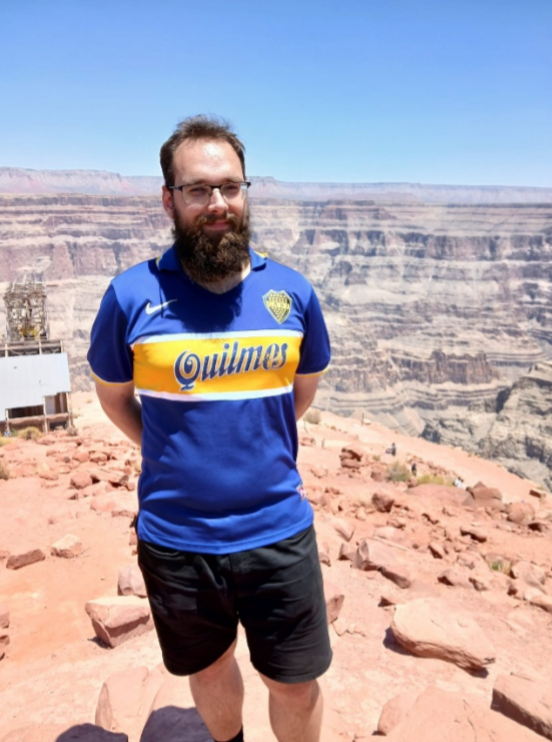
Hendrik Müller recently transitioned from a Jansky Fellowship with the Algorithm Research and Development Group (ARDG) to a scientific staff position at NRAO, where he has joined the CASA team. His research focuses on advanced imaging and calibration algorithms for radio interferometry through the lens of inverse problems. During his postdoctoral work, he contributed to imaging and calibration methods for both data intensive connected-element interferometers and very long baseline interferometry (VLBI), including developments for next-generation instruments such as the ngVLA and the ALMA Wideband Sensitivity Upgrade (WSU), as well as imaging methods for the Event Horizon Telescope (EHT), including dynamic and multiscale reconstruction techniques for horizon-scale studies of supermassive black holes. He is a core contributor to EHT data analysis across the M87 and Sgr A* projects and has developed polarization calibration and dynamic imaging strategies. He has also contributed to scattering mitigation techniques enabling imaging the Galactic center at 86 GHz, as well as to recent work characterizing extended emission in EHT images (see figure below). Beyond the EHT, his research includes studies of active galactic nuclei, including efforts to measure circular polarization, and spans interdisciplinary inverse problem applications such as dark matter searches, Ly-α forest tomography, medical imaging, and solar flare studies.
A central focus of Müller’s work is the development of new algorithmic approaches for very long baseline interferometry (VLBI). These include DoG-HiT, a wavelet-based multiscale imaging method for recovering structured emission in dynamic settings, and MOEA/D-based multi-objective optimization frameworks for exploring competing imaging objectives and degeneracies in calibration-robust, closure-based reconstruction problems. These methods enhance the flexibility, accuracy and robustness of VLBI imaging, particularly in regimes where traditional approaches face limitations. At NRAO, Müller has further developed methods tailored to next-generation instruments such as the ngVLA, which will produce significantly higher data volumes. These include CG-CLEAN, a conjugate-gradient–inspired reformulation of CLEAN major loops to accelerate convergence, and Autocorr-CLEAN, which uses residual autocorrelation to guide multiscalar component placement and reduce iteration counts. Both approaches are designed to remain compatible with established workflows while addressing increasing computational demands. They have been demonstrated to accelerate the data processing multifold.
In his new role within the CASA team, he focuses on integrating modern imaging and calibration techniques into production pipelines and software, supporting current and future NRAO facilities such as the ngVLA.
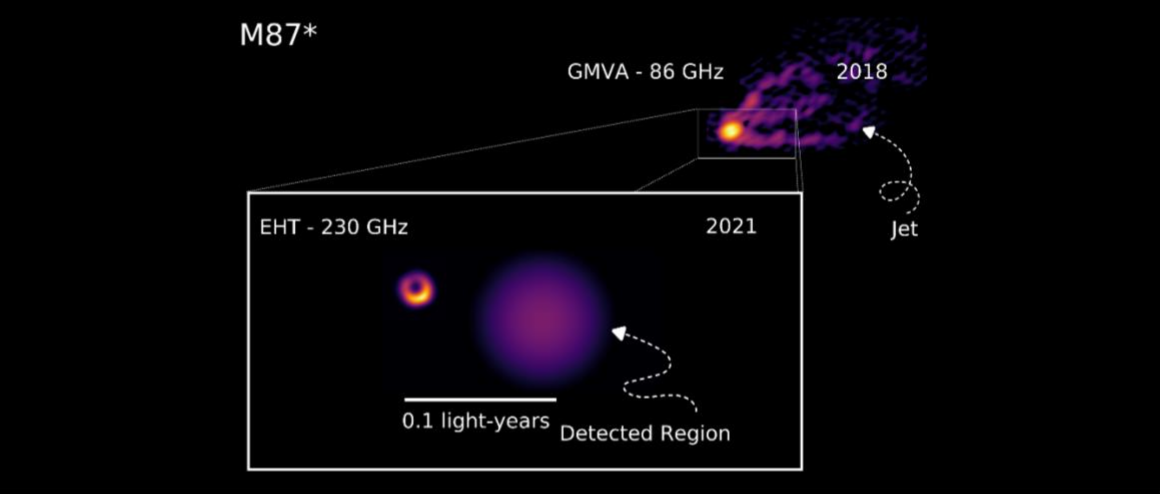
Figure: At 230 GHz (bottom), data from the EHT reveal the fine structure of the ring surrounding the supermassive black hold M87*, though the jet remains too faint to image at these higher frequencies. The ring alone cannot account for the total emission measured on larger spatial scales. A compact feature provides the best explanation for this additional emission. It is spatially consistent with the southern component of the jet seen at 86 GHz (top right) in observations from 2018 with the Global mm-VLBI Array (GMVA). Bottom: Saurabh et al.: "Probing jet base mission of M87* with the Event Horizon Telescope observations," Astronomy and Astrophysics 705 (2026), Figure 6. Upper Right: Lu, R.-S. et al.: "A ring-like accretion structure in M87 connecting its black hole and jet." Nature 616 (2023), Figure 1.
Would you like your science or engineering projects featured in the NRAO Science Newsletter? Email the editor Brian Kent with your recent science publications!
Dr. Mark Rawlings - new Assistant Director for Science Support and Research at NRAO

The NSF NRAO has named Dr. Mark Rawlings as the new Assistant Director for Science Support and Research (AD/SSR). Dr. Rawlings brings more than two decades of international experience in astronomical research, observatory operations, and instrument support. His career includes key scientific and operational roles at major facilities such as ALMA, JCMT, UKIRT, and NOIRLAB, with extensive expertise in telescope operations, user support, instrumentation, and software systems. He was part of the team in Charlottesville that supported early ALMA Operations and science; over the past decade, he made major contributions to the JCMT and Event Horizon Telescope Collaboration. His scientific and instrument interests include both optical and radio capabilities, in particular interferometry and polarimetry. His appointment strengthens NRAO's mission to deliver world-class astronomical capabilities and scientific leadership to the community.
Mark began his role as AD/SSR on May 4th. Many thanks to Tony Remijan, who continued looking after SSR over the past several months while simultaneously focusing on the GBO Site Director role - an amazing effort.
DRIFT: the Dynamic Radio Interference Finding Tool
NRAO's Spectrum Management Department (SMD) is excited to announce the beta release of DRIFT, the Dynamic Radio Interference Finding Tool. DRIFT provides a way for internal and external users to visualize the various RFI data taken from instruments at all of the NRAO sites online in their browser. Currently, DRIFT contains data for the VLA, GBT, individual VLBA stations, the CHIME outrigger at GBO, and NM Spectrum Monitor. SMD also plans to include the ASM-2 device's RFI data as soon as available. Each site uploads CSV files containing relevant data (amplitude, frequency, time, etc.) to DRIFT's servers which it then displays to the user in one of several ways shown below.
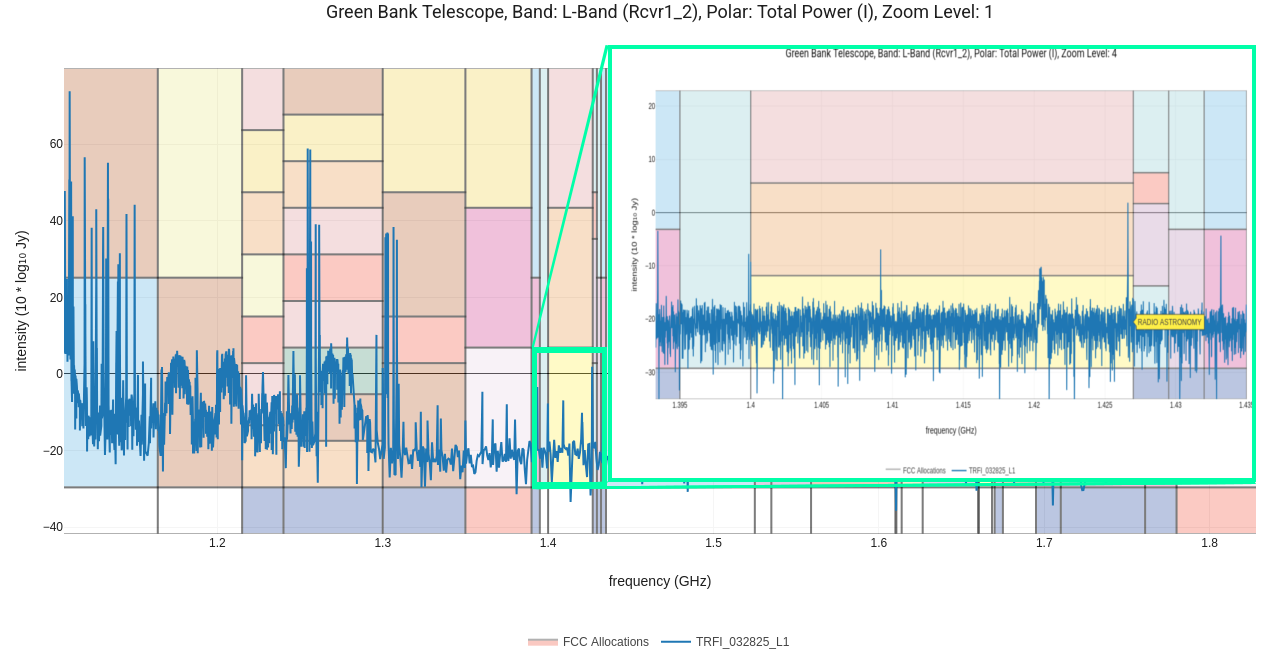
Figure 1: A spectra plot produced by DRIFT showing data from the GBT's L-band receiver. Overlaid is the FCC allocations chart which can be toggled on and off via clicking it in the plot legend. The DRIFT interface is dynamic, meaning the user can freely pan and zoom, which is shown via the zoom in on the Radio Astronomy protected band in the image inset.
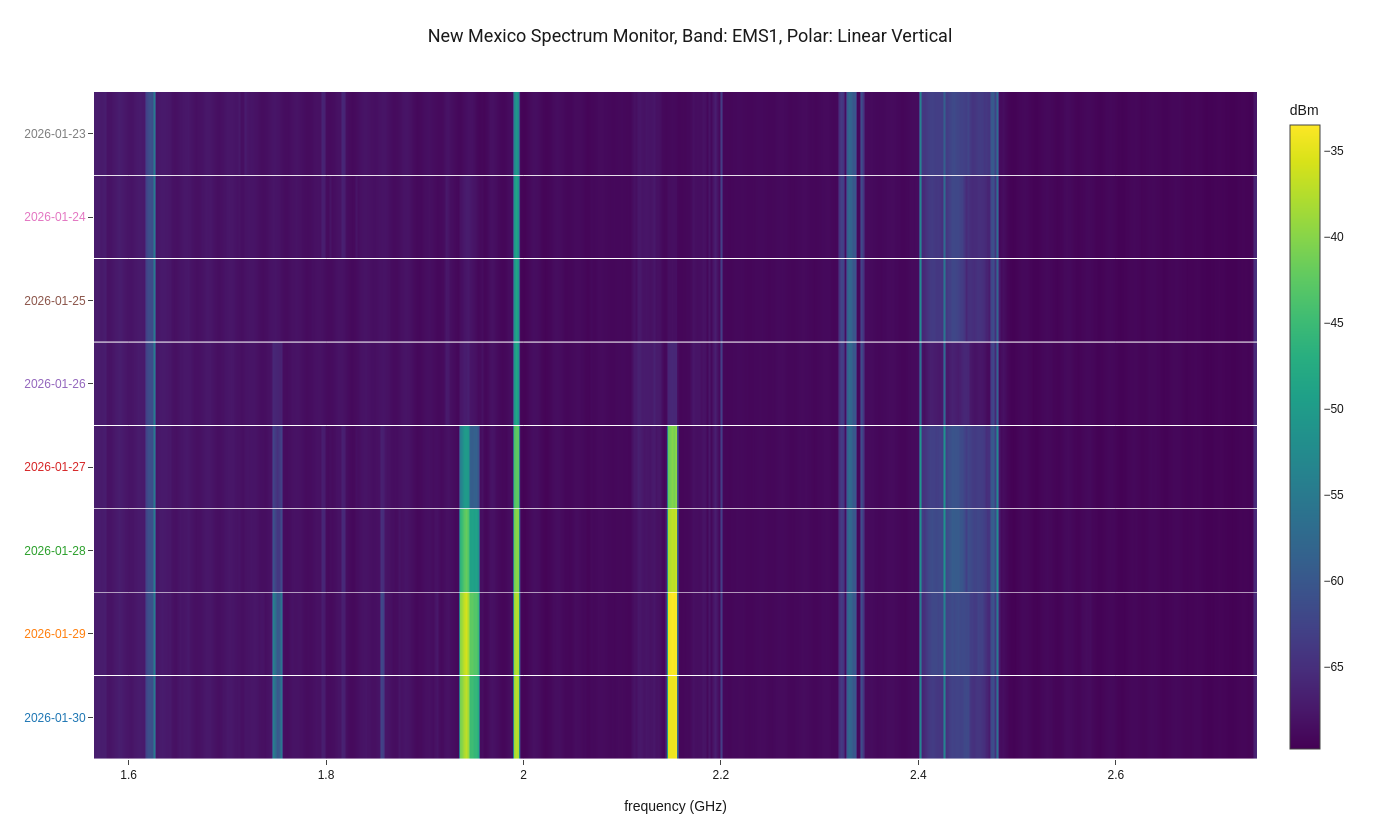
Figure 2: A waterfall plot produced by DRIFT showing data from the New Mexico Spectrum Monitor (located at the VLA site). The spectrum monitor is currently sending DRIFT daily averages of its recordings. New equipment on a nearby cell tower was activated in late January, which the spectrum monitor was able to detect.
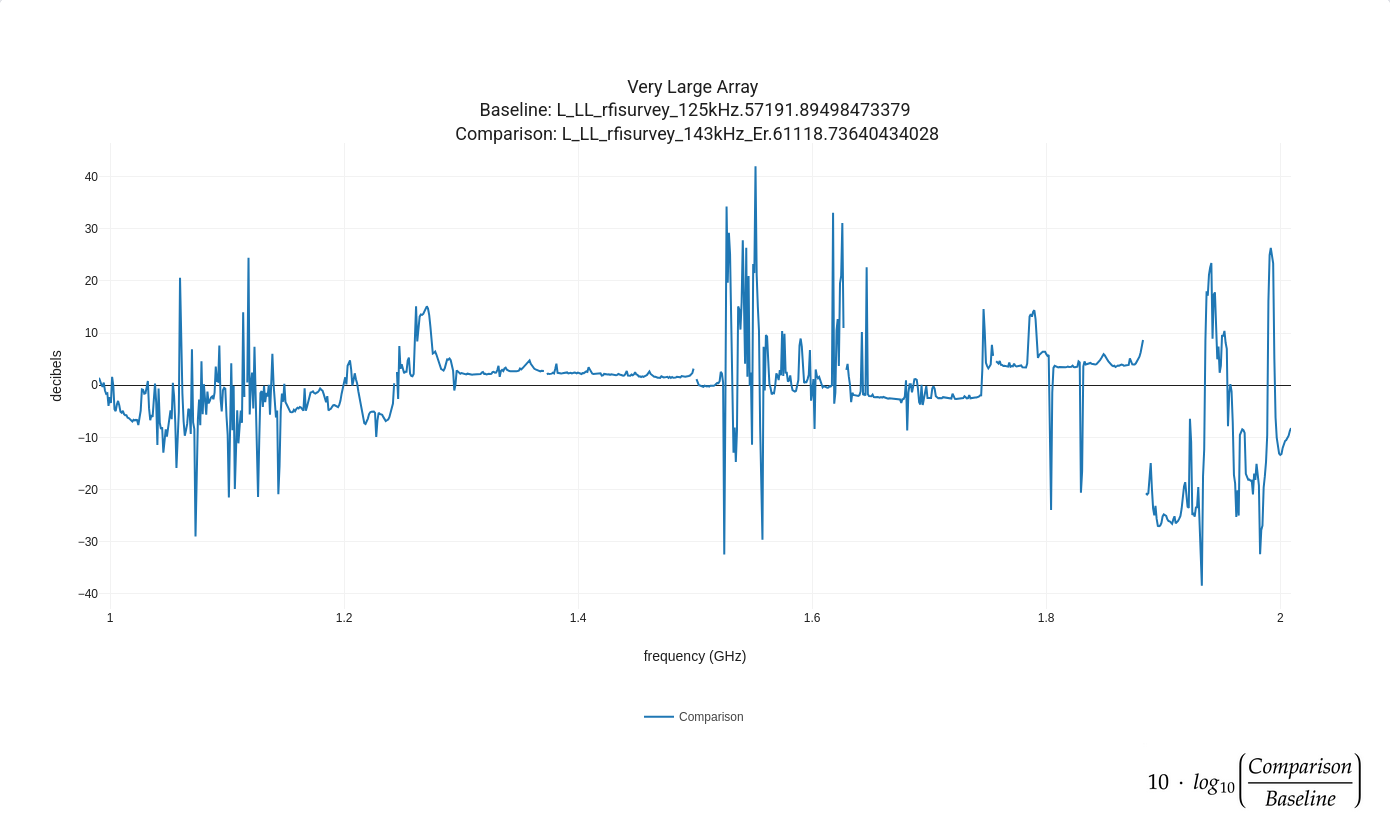
Figure 3: DRIFT allows users to pick a "baseline" and "comparison" scan from an instrument and will then perform a difference calculation and display the result in either decibels or percentage. This feature was originally developed by Jake Serwe, a 2025 NRAO REU student. Shown here are two VLA L-band scans, a "baseline" scan from 2015 and a "comparison" scan from 2026. We can see that there are some parts of the spectrum that have greatly changed in time and others that have remained largely the same. We can also see an overall level drop in the last section of the plot, likely a result of compression from the introduction of strong Direct-To-Cell signals from Starlink satellites (1.990-1.995GHz).
Currently only a subset of RFI Sweep data from the various NRAO sites is included in DRIFT, with full historical ingestion being a priority. Future updates will include the ability for DRIFT to calculate aggregate reports, such as computing and displaying the mean of all L-band data for a particular instrument, and the ability to allow users to download copies of the original CSVs that were uploaded to DRIFT for further study. NRAO's Spectrum Management Department invites all interested to explore the spectrum by trying DRIFT at: drift.nrao.edu.
For more news from the Spectrum Management Department, see the Spring 2026 Bi-Annual Report.
2026 NRAO Postdoc Symposium
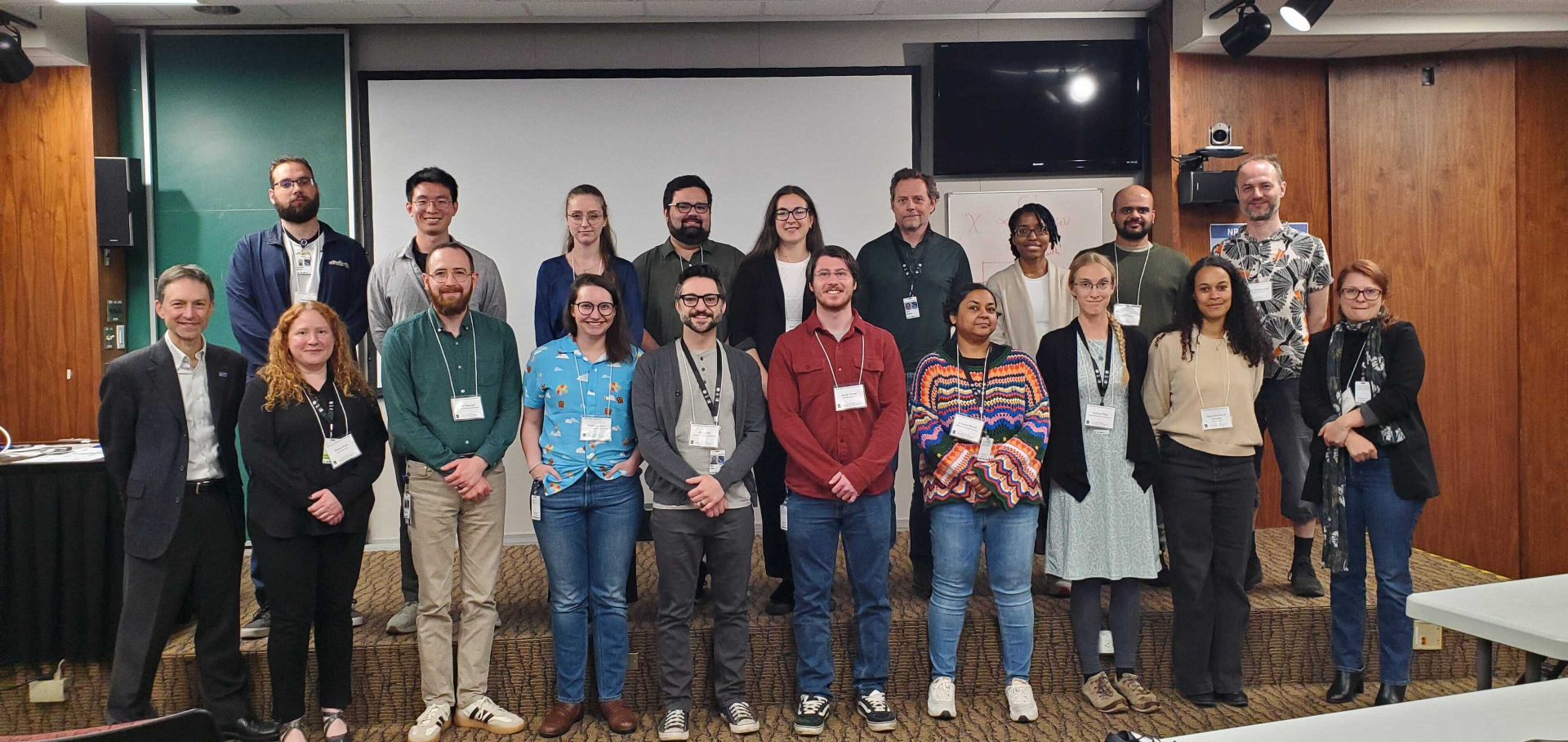
The 21st Postdoctoral Science Symposium was held on April 28-30, 2026 in Charlottesville, VA. The annual symposium brings together the resident and non-resident Jansky fellows, NRAO, and UVA postdocs in order to highlight their world-class research, share ideas, and establish collaborations. Professor Sasha Tchekhovskoy from Northwestern University was invited as the symposium Keynote Speaker, and a career panel discussion was organized with panelists Sasha Tchekhovskoy (Northwestern), Alyson Ford (Stewart Observatory), Joseph Lazio (Univ. Michigan), and Satya Gontcho A Gontcho (University of Virginia).
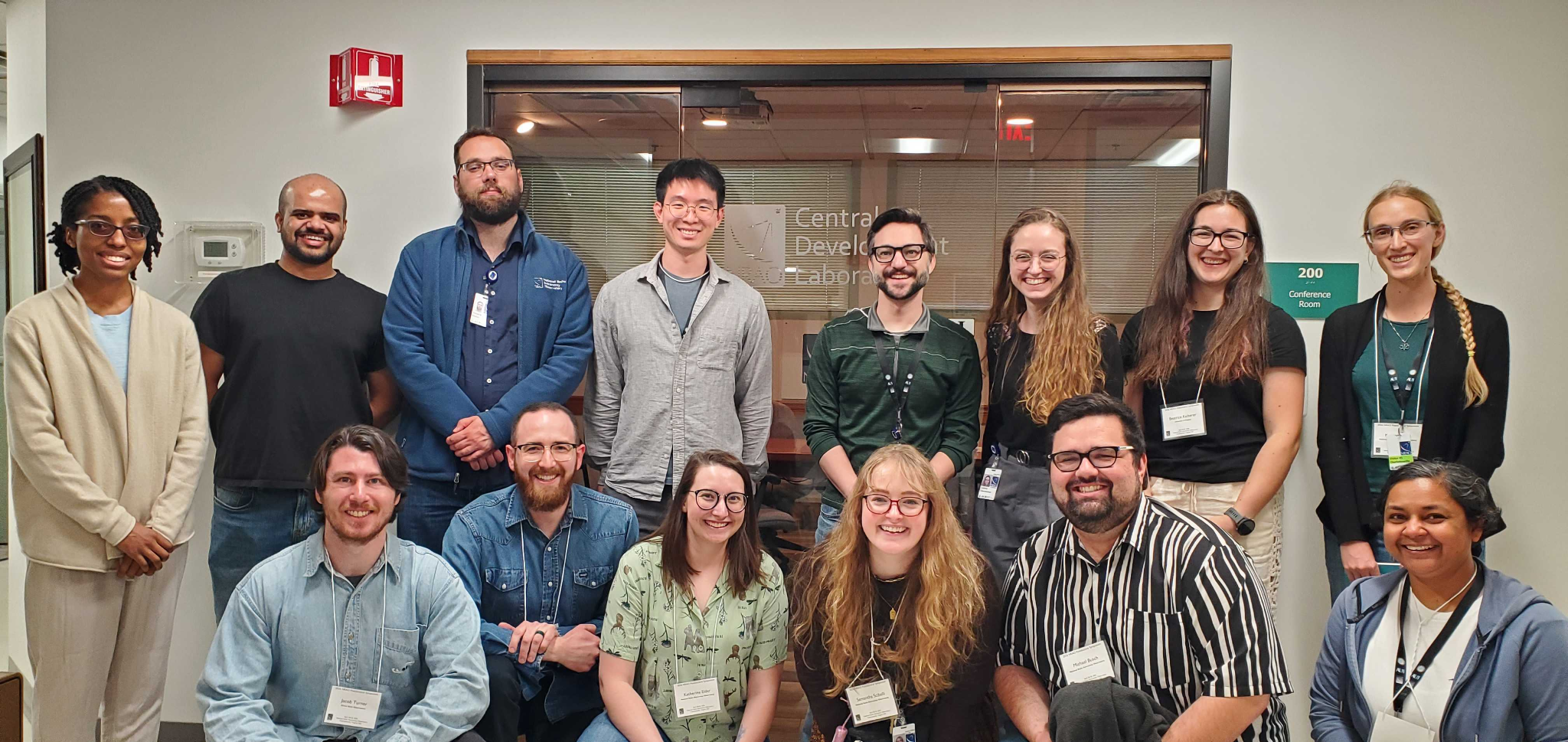
Visitors also toured the NRAO Central Development Laboratory, getting a behind the scenes tour of receiver and technology R&D. Learn more about NRAO Postdoctoral opportunities on the NRAO Science Website. Photos courtesy of JJ Burns, Alexander Saffer, and Anna Kapinska.
Volunteers Needed to Serve on VLA, GBT, & VLBA Science Review Panels

Image by Brian Kent, US NSF / AUI / NSF NRAO.
Members of NRAO's Science Review Panels (SRP) play a very important role in identifying the Science Programs for these world-leading radio telescopes. Being a reviewer could help you to:
- Learn what science other astronomers are interested in;
- Get a sense of what makes the most compelling proposals;
- Build your group of professional contacts and potential collaborators;
- Understand the review process for a major observatory.
If you are interested, please apply to be a volunteer SRP member!
ALMA News
ALMA Observing Status
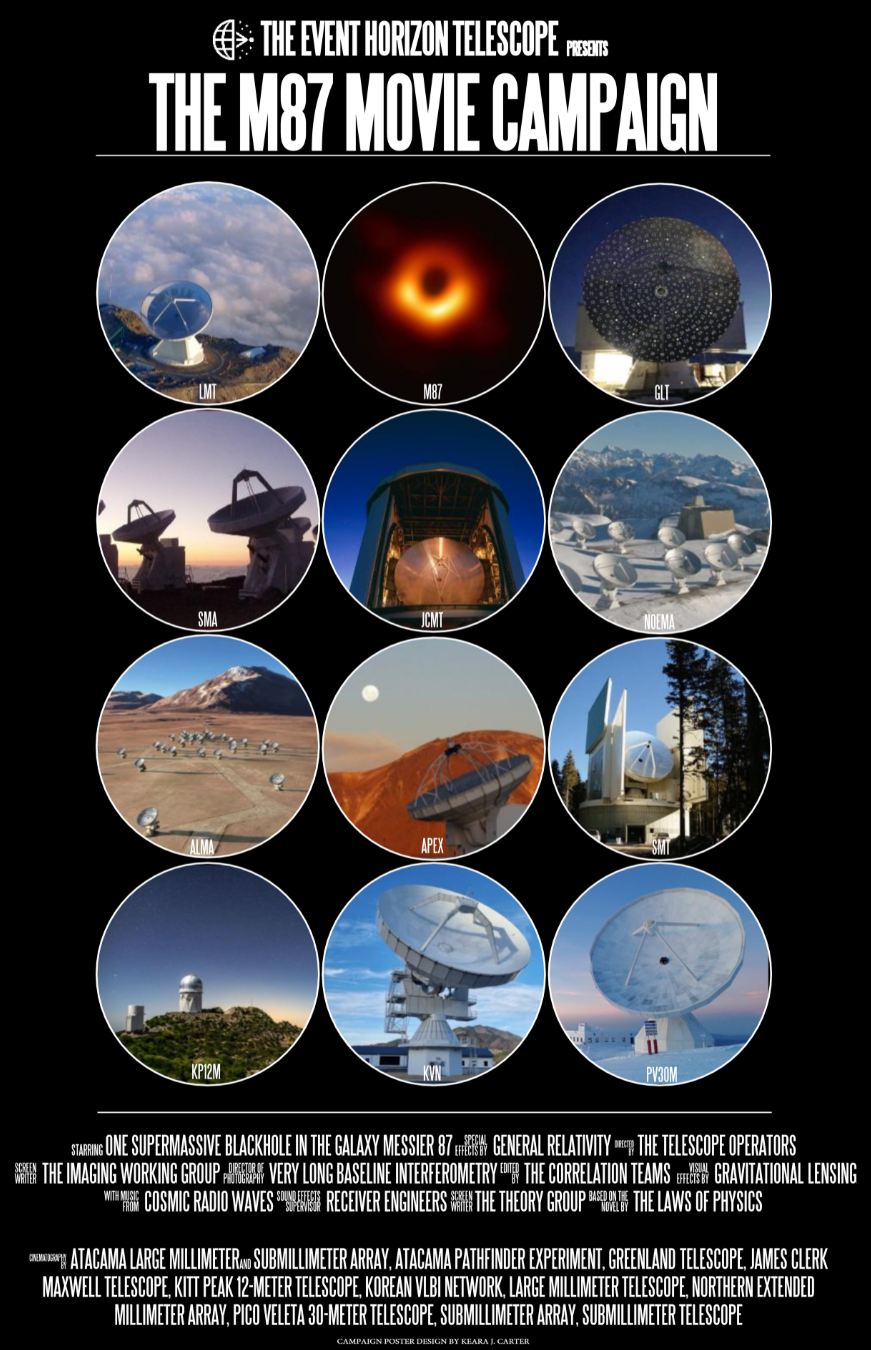
The Observatory is currently in the C-3 configuration, with 500 m maximum baselines. The Global mm-VLBI Array campaign (GMVA) took place recently at ALMA and worldwide, while the Event Horizons Telescope 'M87* movie' monitoring campaign is ongoing through May. Poster source.
Record number of proposals submitted for ALMA Cycle 13
ALMA is pleased to report on the extraordinary response to the Cycle 13 Call for Proposals, which closed on April 23rd, 2026. Cycle 13 received a total of 1,843 proposals, accounting for more than 37,000 hours requested time on the 12-m Array. These numbers set a new record, underscoring the high level of competition for ALMA. ALMA received also a record number of Large Programs (48) and Joint Proposals (91). More information can be found on the ALMA Science Website.

Joe Pesce Appointed New Assistant Director of North American ALMA
The National Radio Astronomy Observatory (NRAO) has selected Dr. Joe Pesce as the new Assistant Director for the North American ALMA Science Center (NAASC). Pesce, who was recently named a 2026 AAAS Fellow, is joining NRAO after an impressive career including both government and private industry roles. After achieving his PhD at Cambridge University and the International School for Advances Studies (in Trieste, Italy), Pesce conducted astrophysical research in a variety of places including the Space Telescope Science Institute and Penn State University, eventually leaving academia to create a science-consultancy firm that offered training courses and analytics consulting to clients in a variety of sectors. He’s been a Professor of Astrophysics at George Mason University for over twenty-five years and teaches a science policy course for the University of Colorado. He has been involved in science/astronomy outreach his entire career. Pesce comes to NRAO from the National Science Foundation where for 10 years he was a Program Officer for astronomical facilities, astronomy grants, and spectrum management.
Call for Community Input: ALMA2040 White Papers
A European community-led effort is underway to coordinate efforts toward a next-generation ALMA-like interferometer ("ALMA2040"), in the context of ESO's Expanding Horizons initiative to identify its next major ground-based facility for the 2040s. Researchers worldwide are invited to contribute to scientific and technical White Papers and to help shape the science case and reference design concept for this future facility. Community members interested in contributing are asked to express their interest by May 15, 2026, with a White Paper submission deadline of September 20, 2026. Further information, including how to get involved and updates on the process, can be found at this link.
Note that related ALMA2040 community activities are also getting underway in North America and East Asia. This European-led effort, driven by the ESO Expanding Horizons timeline, is open to global participation, and input from across the international ALMA community is strongly encouraged. Details on North American initiatives will be communicated later this year. Together, these efforts aim to converge toward a coherent, pan-ALMA upgrade path that will keep ALMA at the forefront of scientific discovery into the 2040s.
The ALMA Wideband Sensitivity Upgrade (WSU)
Several components of the WSU project continue to advance from development towards implementation. The designs for the new wideband receivers Band 6v2 and Band 8v2 recently passed their Preliminary Reviews (PDRs). The construction of the new correlator room (OCRO) is on track to be completed by the end of 2026. You can find the most up-to-date information about the WSU project and its scientific impact on the ALMA Observatory WSU webpage; resources for the North American community can be found on the NAASC WSU webpage.
Upcoming Events
ALMA WSU and ngVLA at CASCA 2026
Probing the thermal universe at highest spatial and spectral resolutions: ALMA WSU and the ngVLA, Thursday, June 11, 2026. Members of the NAASC and the ngVLA SAC will host a special lunchtime session at the 2026 meeting of the Canadian Astronomical Society (CASCA) in Montreal, QC. This session will include introductions to these two facilities, followed by an update on the scope, capabilities and timeline of the ALMA Wideband Sensitivity Upgrade and the ngVLA's current status and paths to Canadian partnership. Both ALMA and ngVLA were prioritized in the 2020 Canadian Long Range Plan for Astronomy. NAASC Development Scientist Jennifer Donovan Meyer will speak about the WSU and NAASC member and ngVLA SAC co-chair Brenda Matthews will present the current status of the ngVLA project.
ngVLA Project News
ngVLA Exposure Calculator Tool Updates
The ngVLA Exposure Calculator Tool (ECT) has been updated to default to using the latest array configuration design, Revision F. Users can now also select between configuration revisions (Rev F and Rev D are currently available) to compare exposure calculations. The user interface to the ECT has also been enhanced to restrict inputs to allowed ranges (e.g., for frequency or bandwidth) based on the current reference design. Version 1.1 of the ECT is available here along with a way to provide feedback.
2nd Annual Cosmic Horizons Conference in Charlottesville, Virginia
The recent revolution in AI is fundamentally changing how astronomers observe, explore, analyze, and model astronomical data. From July 14 to 16, this conference will bring together researchers who are actively developing and applying AI/ML methods in astronomy. Discounted registration closes May 15.
ngVLA Science Conference in Sendai, Japan
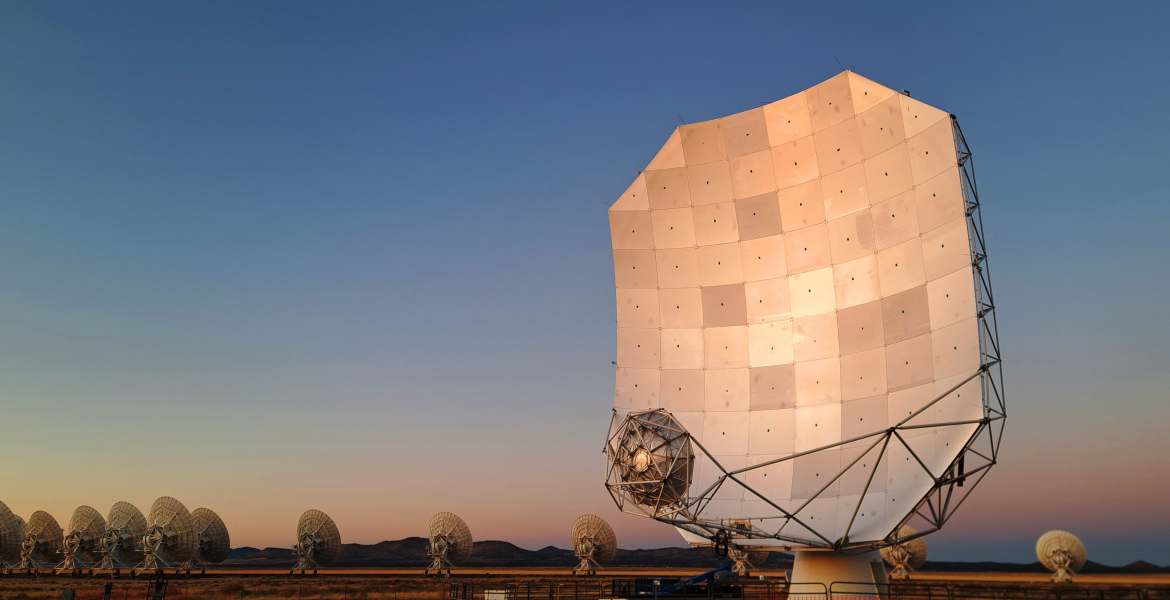
As the ngVLA project advances toward its next development phase, it is timely to consolidate and expand the international science community, refine key science drivers, and explore synergies with other major observatories. From November 10 to 13, 2026, this conference will bring together experts from a broad range of fields to share compelling science cases, identify new opportunities enabled by the ngVLA, and foster collaborations that will further strengthen the momentum of this next-generation facility. A conference web site will be available soon.
ngVLA Science - A Proto-Brown Dwarf Binary Candidate
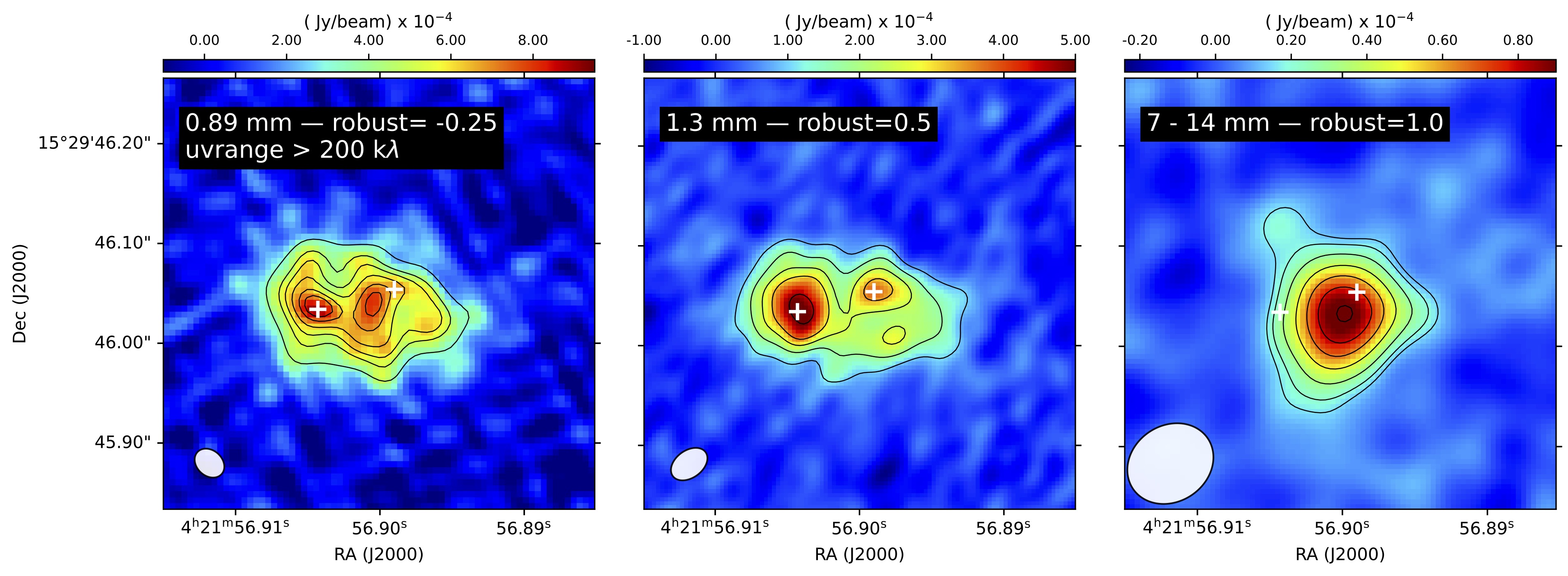
Figure: IRAM 04191+1522. Left and middle: ALMA images revealing two sources in the East-West direction. Right: VLA image revealing one source closer to the ALMA west binary component. Credit: Huélamo et al. 2026.
Very low-luminosity objects (VeLLOs) in nearby star-forming regions have been identified as the substellar analogs of Class 0/I protostars, making them key targets for understanding how substellar objects - especially brown dwarfs - form (e.g., Palau et al. 2024). One of the central open questions is whether brown dwarfs form mainly like stars (via core collapse and fragmentation) or through alternative mechanisms, such as disk fragmentation or ejection. In that respect, studying the multiplicity of VeLLOs is particularly important, since the properties of binary systems provide strong constraints on formation pathways.
In Huélamo et al. (2026), we studied the object IRAM 04191+1522, a low-mass, deeply embedded source in the Taurus molecular cloud. It is extremely young (Class 0), still surrounded by an infalling envelope and associated with outflow activity (André et al. 1999). It is confirmed as a VeLLO (Dunham et al. 2006), and its low internal luminosity makes it an ideal candidate for probing the earliest phases of substellar formation. However, its final mass - and thus whether it will ultimately become a substellar object - remains uncertain.
We analyzed IRAM 04191+1522 observations obtained with ALMA at 0.89 and 1.3 mm, and with the VLA in bands covering from 0.7 to 1.4 cm. We spatially resolve IRAM 04191+1522 into a very tight binary candidate, with a projected separation of about 11 au (see figure). Also, observations in C18O reveal a rotating gas structure consistent with a circumbinary disk surrounding the system (already suggested by Maury 2020), from which we estimate a total dynamical mass of 50+/-40 Jupiter masses. Even considering a conservative mass of 45 Jupiter masses for each of the binary components, they fall well within the substellar regime. Additionally, radio emission consistent with a jet is detected from only one of the components. Altogether, these findings indicate that IRAM 04191+1522 is likely a proto-brown dwarf binary. Such a tight binary is consistent with predictions from core fragmentation models, which tend to form binaries with separations less than 20 au and mass ratios close to one (Bate 2012).
Looking ahead, the planned ngVLA will dramatically improve sensitivity and angular resolution at centimeter wavelengths, enabling the detection of fainter radio jets and potentially resolving the individual components of proto-brown dwarf binaries on sub-au scales. This will allow us to directly probe how multiplicity, accretion, and jet launching operate at the substellar regime, offering decisive tests of whether brown dwarfs form predominantly as stellar objects.
Since 2015 the acronym ngVLA has appeared in 1590+ publications indexed in the SciExplorer Data System. This article continues a regular feature intended to showcase some of those publications. We are especially interested in showcasing work done by early-career researchers. The collection of showcase articles can be viewed online. Anyone wishing to volunteer to author a feature should contact Joan Wrobel.
Assistant Scientist Position at NRAO/GBO
The NSF NRAO Green Bank Observatory is searching for a qualified scientist to join the GBT team in Green Bank, WV. The Green Bank Telescope is a 100-meter telescope that operates from 290 MHz to 116 GHz. As the world's largest fully steerable single dish telescope, the GBT is used by astronomers from all over the world to carry out a wide range of astronomical research. This position is located at the Green Bank Observatory in Green Bank, WV.
Read more and apply at the NRAO DayForce Jobs website.
Recent Science Media Releases
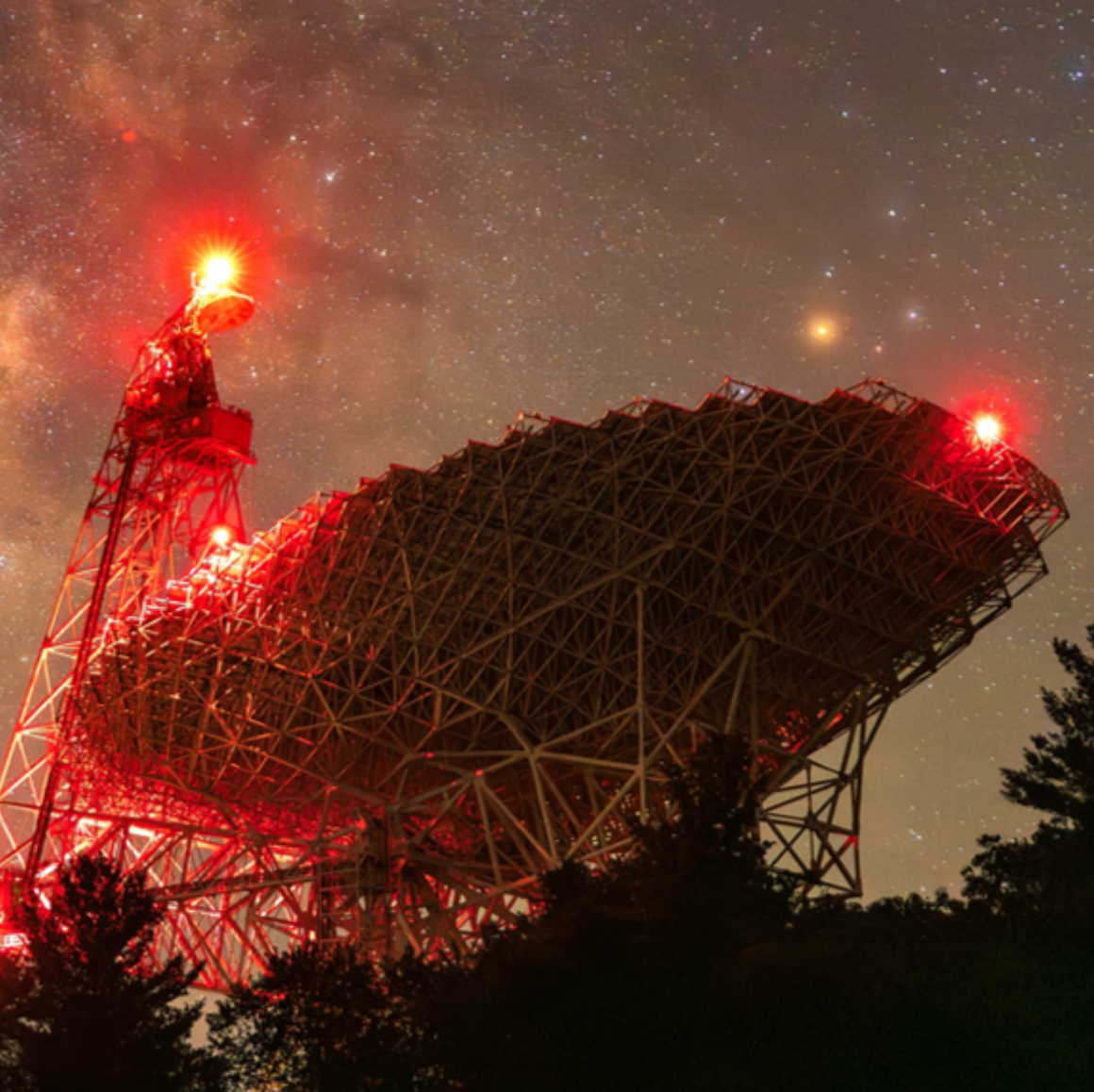 |
NSF Green Bank Observatory Shares Images, Data From Artemis II Mission |
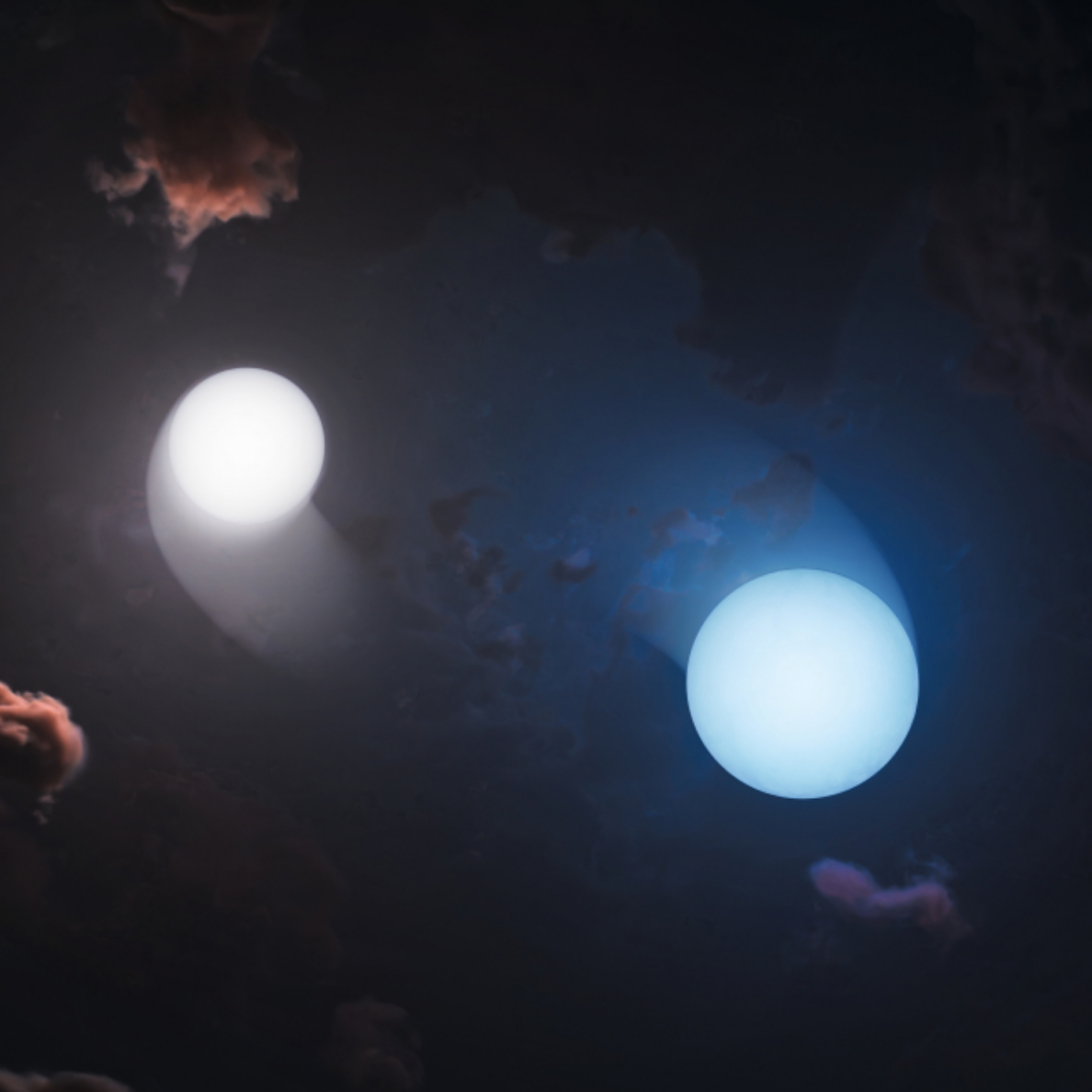 |
Unraveling the Mass Mystery of Orion's Young Stars |
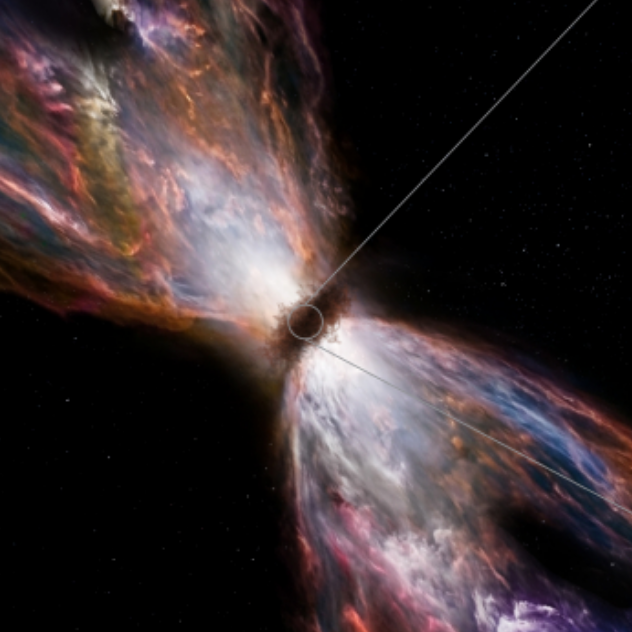 |
Most Close Pairs of Stars Are Born as Cosmic Twins |
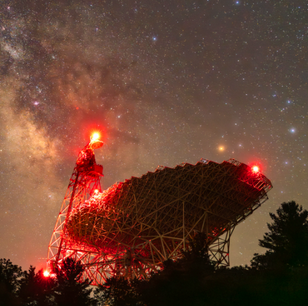 |
NSF Green Bank Telescope Tunes in to Artemis II |
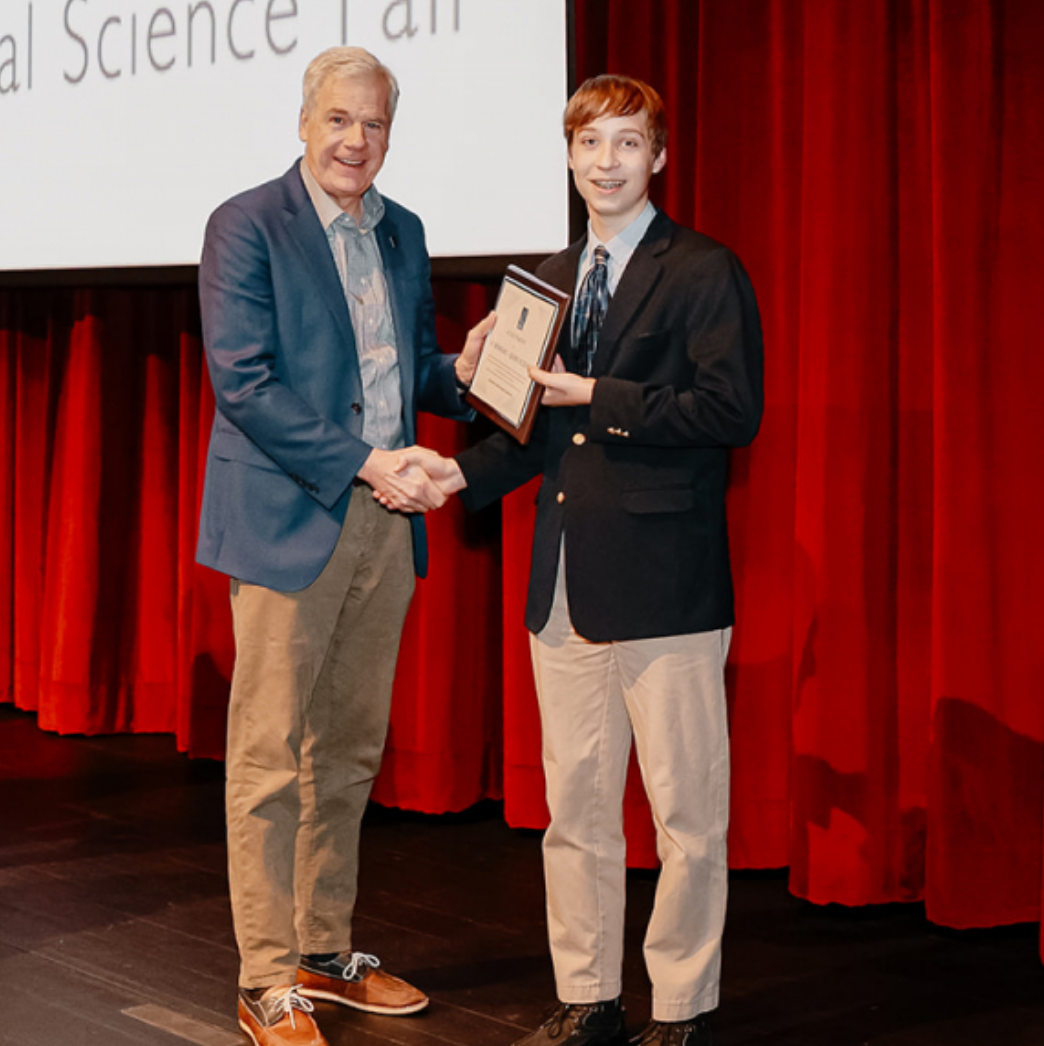 |
NSF NRAO-Mentored Students Win Awards at Virginia Piedmont Regional Science Fair |
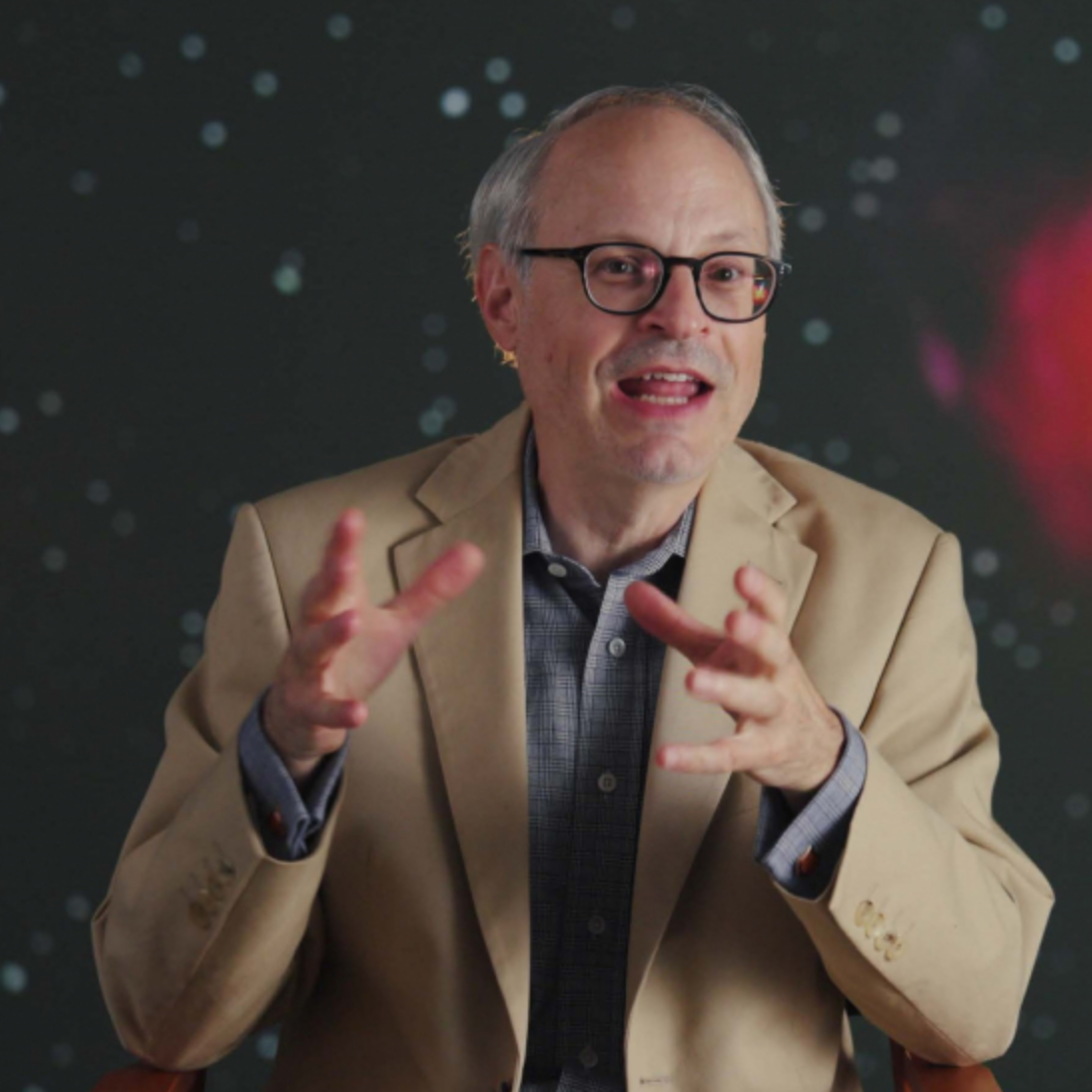 |
New Director of NAASC Named Fellow of the AAAS |
|
Contact the NRAO press office to share your new and exciting science results. |
From the Archives
Ellen Bouton
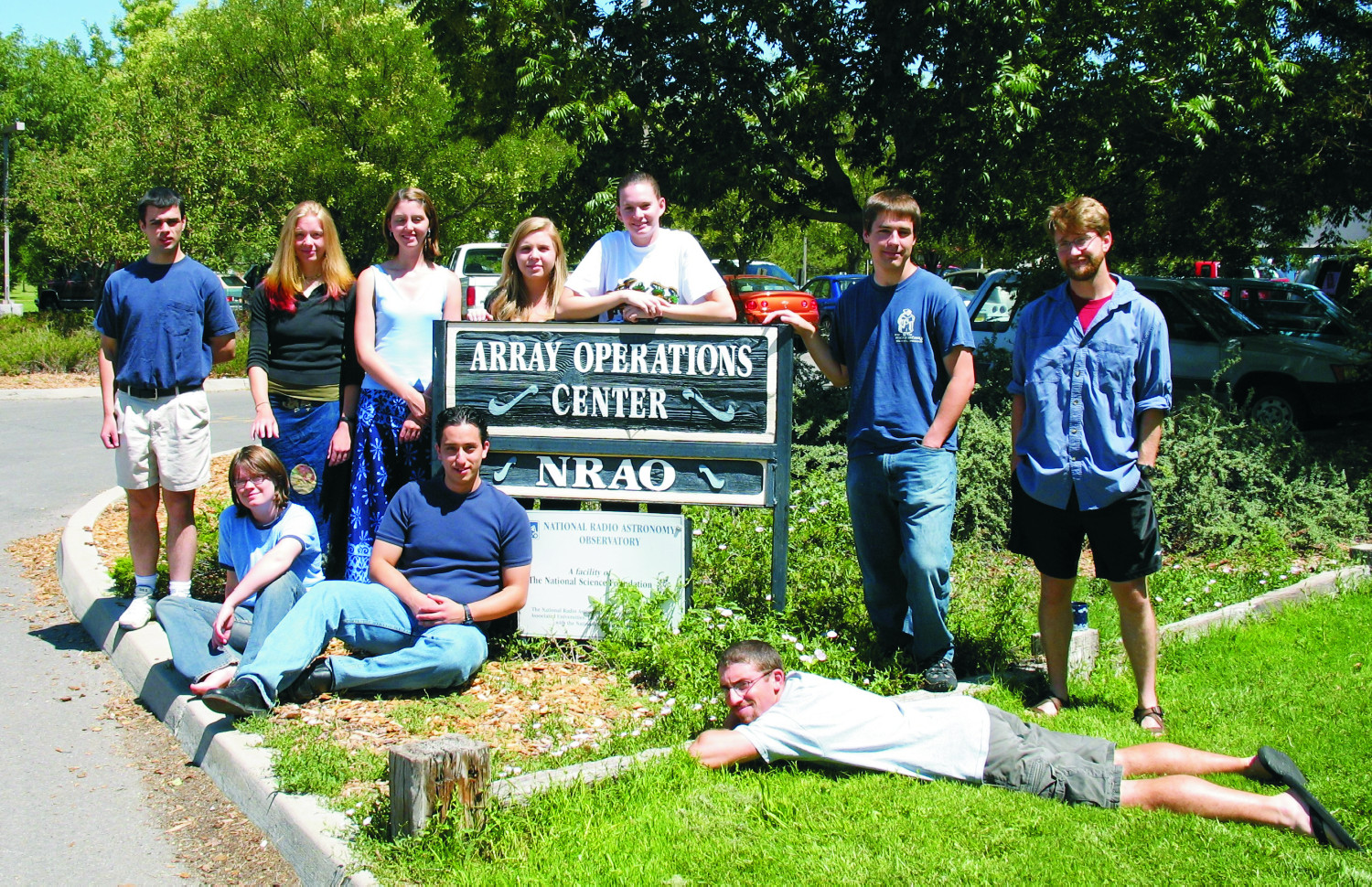
About this month's photo: 2006 Socorro summer students - back row from left: Timothy Weinzirl, Laura Zschaechner, Wendy Bennett, Catherine Whiting, Malynda Chizek, Robert Edmonds, Kyle Willett. Seated: Elisabeth Mills, David Sevilla; Adam Ginsburg (lying down). Not shown are Abhirup Datta (NRAO GRP) and Claire Davy (NSF REU) and Rosa Torres Lopez (GRP).
For over six decades, NRAO has welcomed summer students to our sites to work on a wide variety of research projects with NRAO staff mentors. Our 2026 class of 31 undergraduate students will participate in a rich and unique research and professional development experience. The program will kick off with the "Radio Astronomy Bootcamp," a week-long workshop in Green Bank with lectures and hands-on observing. Students will then work on their research in Green Bank, Charlottesville, and Socorro under the supervision of their mentors. Since its inception in 1959, the summer student program has engaged over 1,400 early career people in scientific research, and many NRAO summer students have gone on to distinguished careers in astronomy and other physical sciences.
From the Archives is an ongoing series illustrating NRAO and U.S. radio astronomy history via images selected from our collections of individuals' and institutional papers. If readers have images they believe would be of interest to the Archives, please contact Ellen Bouton.