NRAO Newsletter
Volume Vol#, Issue Iss#
Day# Month# Year#
NRAO Newsletter
Volume Vol#, Issue Iss# • Day# Month# Year#
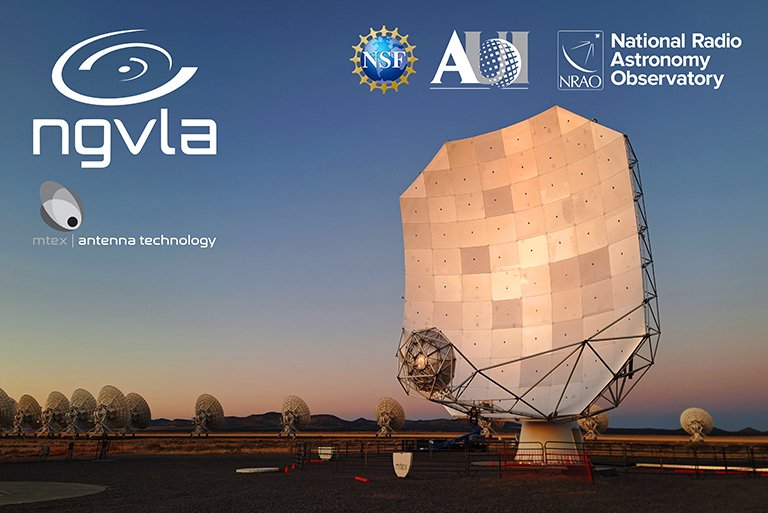 The Next Generation Very Large Array (ngVLA) prototype antenna was recently handed over from mtex antenna technology, GmbH to the NRAO on the Plains of San Agustin, New Mexico. (Photo by Brian R. Kent, U.S. NSF / AUI / NSF NRAO)
Upcoming Events

Contents of the Fermi Bubbles at Green Bank Observatory
May 4-7, 2025 | Green Bank, WV

Cosmic Horizons: AI-Powered Insights
May 6-8, 2025 | Austin, Texas

International Symposium on Molecular Spectroscopy
June 23-27, 2025 | Urbana-Champaign, IL
ngVLA Prototype Handover Ceremony

A handover ceremony was held at the VLA site on April 25, 2025 for mtex antenna technology, GmbH to officially deliver the Next Generation Very Large Array (ngVLA) prototype antenna. In attendance were NRAO/ngVLA project staff, ngVLA Science and Technical Council members, contractors working with mtex, colleagues from Mexico and Germany, and New Mexico state representatives.
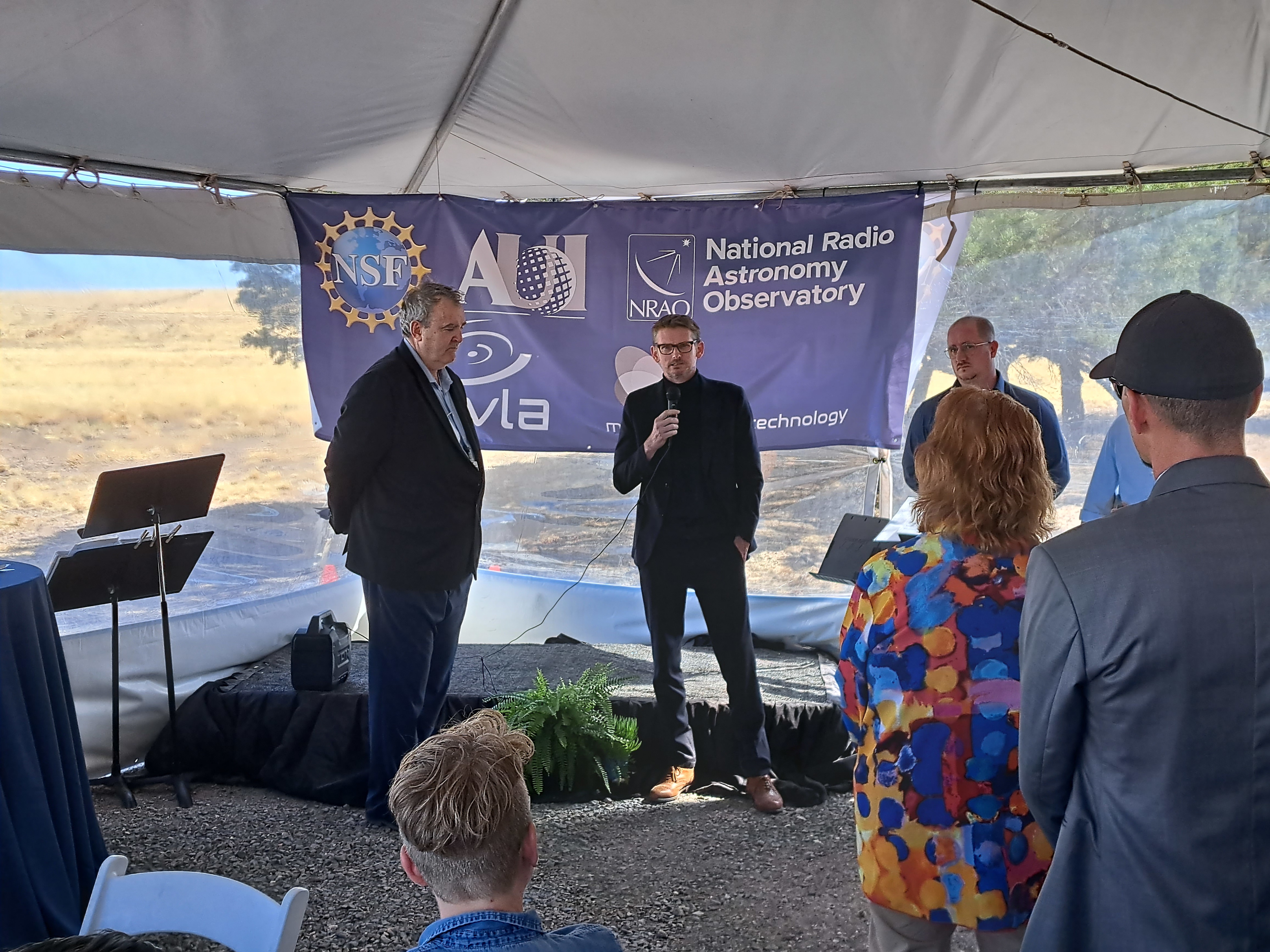
The event marked an important milestone in the ngVLA project. During the week NRAO leadership and staff discussed the importance of the project with the New Mexico and international communities. (Right: mtex CEO Lutz Stenvers and NRAO Director Tony Beasley talk about the NRAO/mtex partnership, officially passing the prototype antenna to NRAO for testing.)

The ngVLA operates at frequencies of 1.2 GHz (21 cm) to 116 GHz (2.6 mm), building on the legacy of the Jansky VLA, ALMA and the VLBA as the next major national facility in ground-based radio astronomy. This new radio interferometer is optimized to bridge the gap between the exquisite performance of ALMA at wavelengths of 2 mm and shorter and the future SKA1 at decimeter to meter wavelengths, and will be highly complementary to these facilities. The ngVLA is a proposal-driven instrument with the science program determined by Principal Investigator (PI)-led proposals. The ngVLA opens a new window on the Universe through ultra-sensitive imaging of thermal line and continuum emission down to milliarcsecond resolution, while also delivering unprecedented broadband continuum imaging and polarimetry of non-thermal emission. (Above: ngVLA Project Scientist Eric Murphy talks to a mtex-hosted event about ngVLA science.)
Read more about the ceremony from the El Defensor Chieftain and new partnerships from the University of Florida.
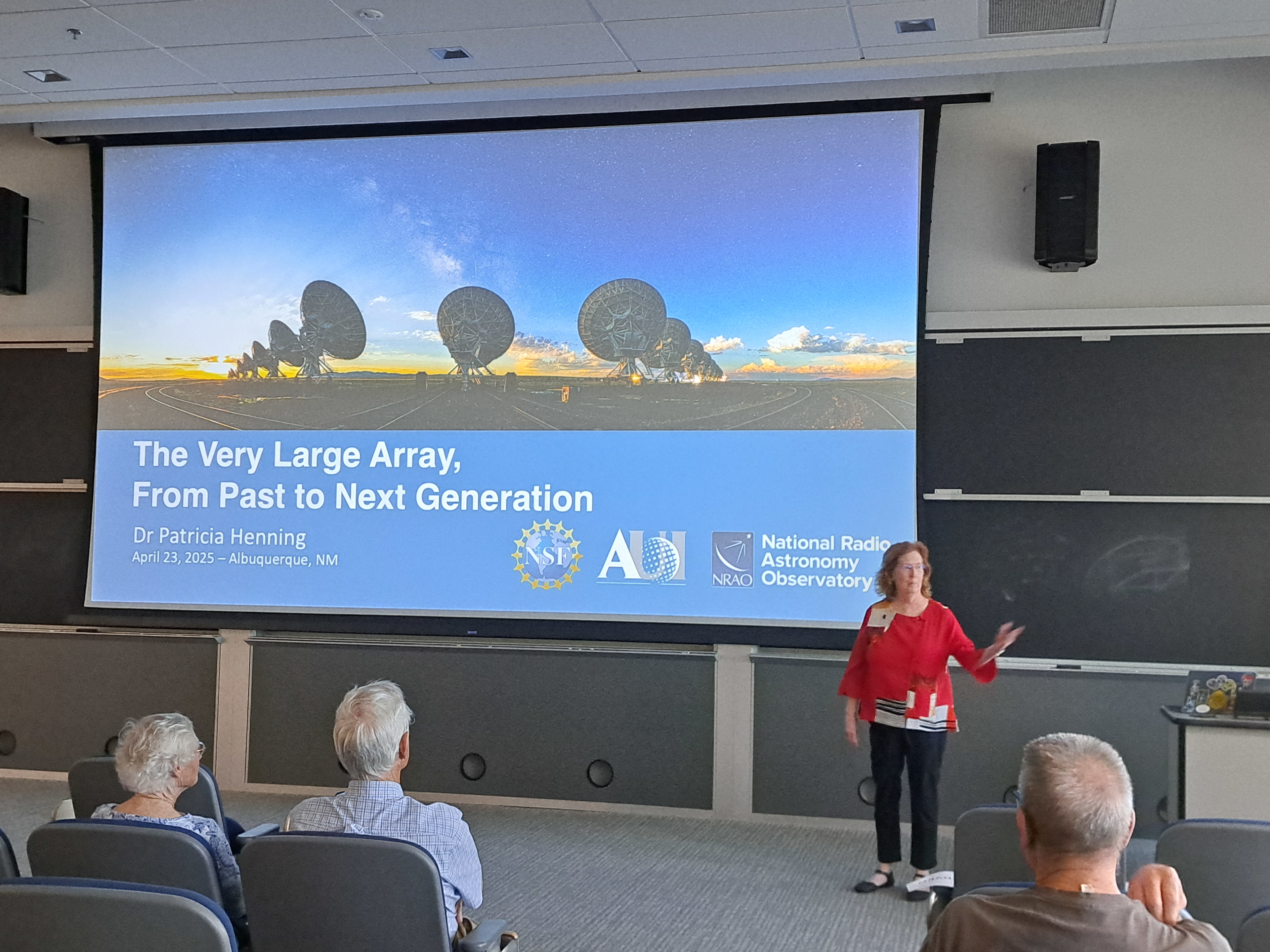
Sign up for the science working groups to be involved with ngVLA planning and science, and visit the ngVLA website to learn about the technical aspects of the ngVLA design. (Right: VLA Site Director Trish Henning talks to the New Mexico community about future ngVLA plans.)
2025 Jansky Fellows
Anna Kapinska and Jill Malusky (NRAO)
Since its inception over 60 years ago, the NSF NRAO has been enabling forefront research into the Universe at radio frequencies with early-career scientists. The NSF NRAO Jansky Fellowship program supports those scientists in launching their careers with leading research in radio astronomy. In partnership with the scientific community, the NSF NRAO provides world-leading telescopes, instrumentation, and expertise, training the next generation of scientists and engineers, and promoting astronomy to foster a more scientifically literate society.
The NSF NRAO has awarded three new Jansky Fellowships this year.
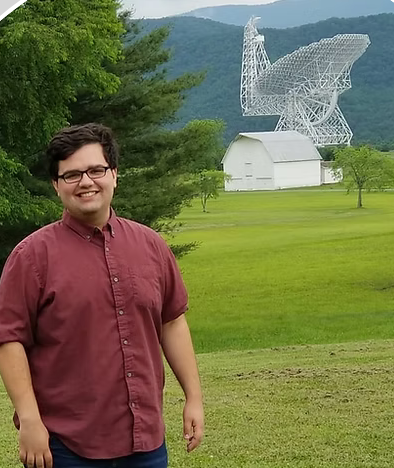 Michael P. Busch (Ph.D., Johns Hopkins; NSF Astronomy and Astrophysics Postdoctoral Fellow at UCSD): Dr. Busch is interested studying the distribution of molecules in the ISM and the large-scale structure of molecular material in Galaxies by observing the ground state OH molecule in the ISM and comparing to archival and new observations of HI, CO, and 3D Dust maps. He is broadly interested in galactic structure, the transition between atoms and molecules in the interstellar medium, astrochemistry, and the impact of molecular gas tracers on star formation histories.
 Kathryn Plant (Ph.D., Caltech; NASA Postdoctoral Program fellow at JPL): Dr. Plant is interested in studying high energy cosmic rays. Her current research uses the instrument that she built for her Ph.D., to search for the highest energy Milky Way cosmic rays. She also works on other cosmic ray and radio signal processing projects. She is passionate about combining science education with outdoor education, leading a program as part of the Death Valley National Park Dark Skies Festival.

Zhé-Yu Daniel Lín: (Ph.D., University of Virginia; Postdoc at the Earth & Planets Laboratory of Carnegie Science in Washington): Dr. Lín specializes in the study of planet formation and evolution within protoplanetary disks surrounding young stars. His research focuses on understanding the properties and behavior of dust grains, the fundamental building blocks of planets. With expertise in high angular resolution (sub)millimeter wave radio observations, he utilizes cutting-edge technology such as the Atacama Large Millimeter/submillimeter Array (ALMA) and develops theoretical models of dust scattering and grain alignment.
Science Spotlight: exoALMA and Planet Formation
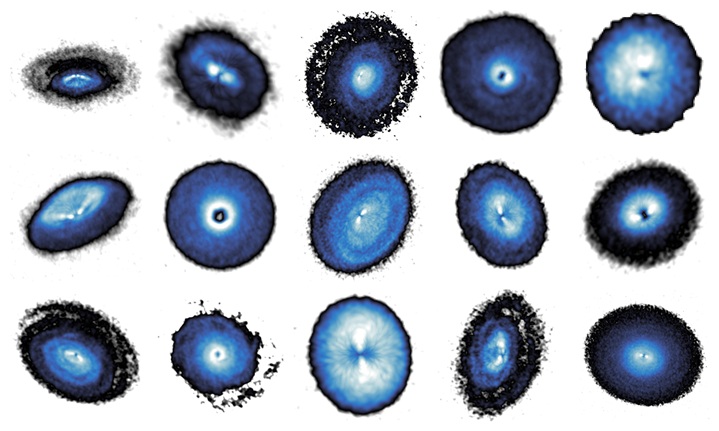
Figure: A gallery of the 12CO peak intensity maps for the 15 sources targeted as part of exoALMA. Image adapted from Teague et al. 2025.
The exoALMA large project targeted 15 young star systems to uncover the processes that form planetary systems, and, in certain cases, identify the telltale signs of infant planets: disk gaps and rings, swirling motions in the gas caused by a planet's gravity, and other physical changes in the disks. The exoALMA team managed to map the density, temperature, and velocity structure of these planet-forming disks in unprecedented detail. The survey unambiguously demonstrated that protoplanetary disks are highly dynamic environments which exhibit a striking level of structure in their gas distributions, rivaling that of the dust counterparts. The extraction of rotational velocity profiles revealed subtle departures from Keplerian rotation, indicating that pressure modulations in the disk drive the shepherding of large dust grains into the rings seen in all disks.
The team faced technical challenges in processing the massive amounts of data to produce such sharp images, and developed new strategies for careful alignment, self-calibration, and imaging allowing for higher fidelity images. This research project involved 17 papers published in a special issue of the Astrophysical Journal of Letters with several more coming this summer. All of the data and images will be made publicly available to support further scientific discoveries.
Read the press release.
Would you like your science featured in the NRAO Science Newsletter? Email the editor Brian Kent with your recent science publications!
Volunteers Needed to Serve on VLA, GBT, & VLBA Science Review Panels

Image by Brian Kent, US NSF / AUI / NSF NRAO.
Members of NRAO's Science Review Panels (SRP) play a very important role in identifying the Science Programs for these world-leading radio telescopes. Being a reviewer could help you to:
- Learn what science other astronomers are interested in;
- Get a sense of what makes the most compelling proposals;
- Build your group of professional contacts and potential collaborators;
- Understand the review process for a major observatory.
If you are interested, please apply to be a volunteer SRP member!
ALMA News
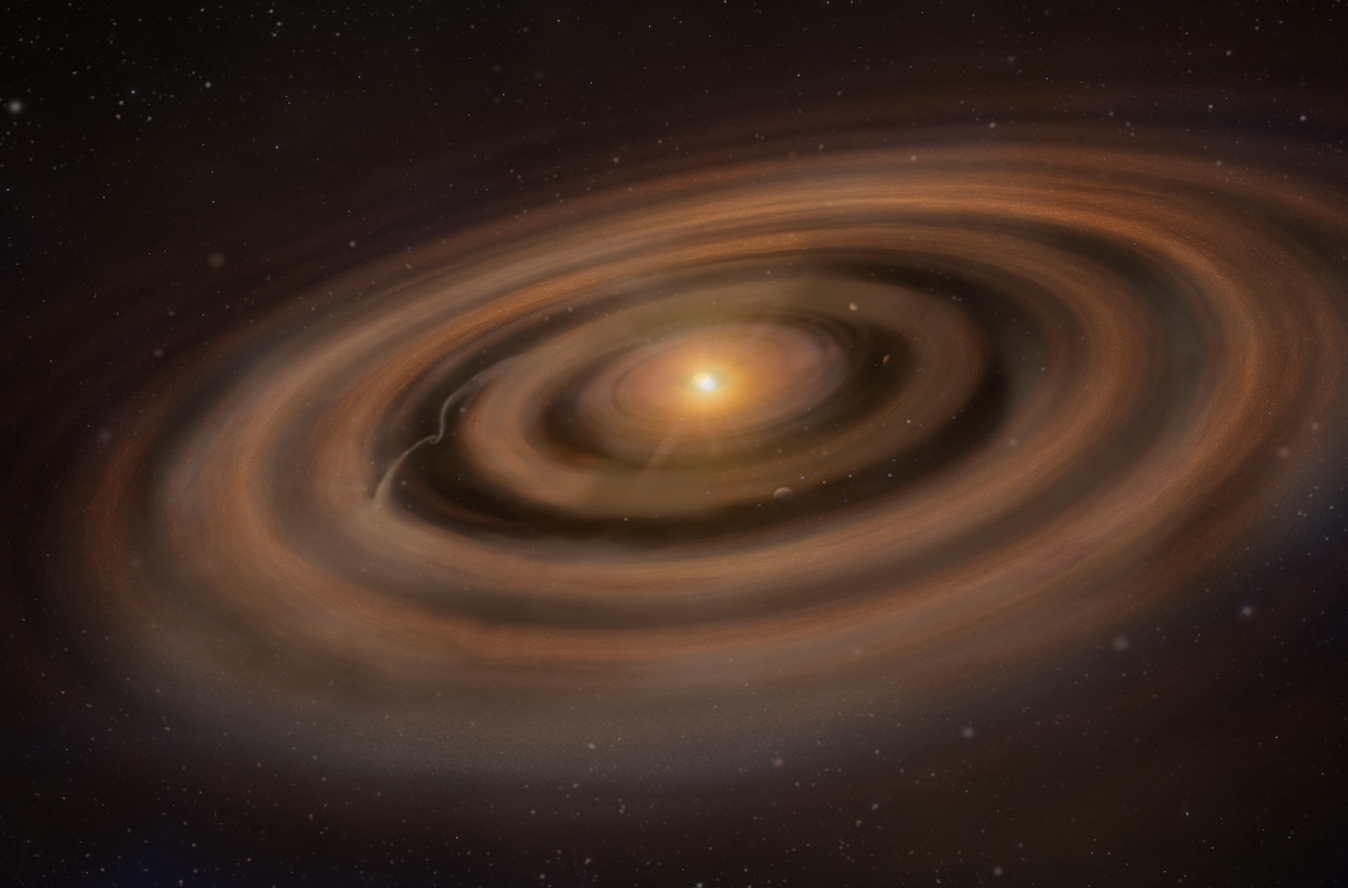
Artist's impression of an example planet-forming disk. (Credit: US NSF/AUI/NSF NRAO/S.Dagnello) Beyond planet hunting, the exoALMA survey will reveal the mechanics behind planet forming discs. This research project involved 17 papers published in a special issue of the Astrophysical Journal Letters, with several more coming this summer.
ALMA Status
Cycle 11 is running about 428 hours ahead of the 4300 hour target line for successful observing time. This is the best performance at this stage of an observing cycle yet. The array is currently being moved to configuration C-6 with 2.5 km baselines and a beam of 0.3".
Cycle 12 Call for Proposals
1642 proposals were submitted by the community to the ALMA Cycle 12 Call for Proposals, which has now closed. Each proposal will now go through an anonymous selection process to determine which projects will be observed in this cycle. Results will be communicated to PIs in August 2025. The Cycle 12 observations will be scheduled between October 2025 and September 2026.
Expected capabilities for Cycle 13
As ALMA is currently planning for the implementation and commissioning of the Wideband Sensitivity Upgrade, the impact on science operations for future observing cycles is currently being evaluated. However, for Cycle 13, the anticipated top-level capabilities - including available observing hours and configuration schedule — remain unchanged. The array configuration schedule for Cycle 13 is now online. This includes notes about the LST ranges that will be optimal for each configuration. Note that ALMA is expected to be moved into all configurations, including the most extended C-9 and C-10 configurations, during Cycle 13. Also note that this configuration schedule is subject to change.

ALMA Wideband Sensitivity Upgrade (WSU)
At its Tokyo meeting in April, the ALMA Board approved elements of the Wideband Sensitivity Upgrade (WSU):
- The ALMA Total Power GPU Spectrometer (TPGS) - an NAOJ partner project
- The WSU Fiber Optic (FOS) project - a collaboration of ESO (civil engineering) and NRAO (photonics) partners
The Board agreed that ALMA proceed with the planned System Preliminary Design Review and Cost Review this year. Racks for the the Advanced Technology ALMA Correlator (ATAC) have been emplaced at the NRAO Central Development Laboratory in Charlottesville, where a test facility (IDTF) is being prepared to perform the initial integration of ATAC components. IDTF will also be used for a signal-chain end to end test which is currently being defined. A total of 4 air-cooled electronic boxes will arrive this quarter of 2025; with the liquid cooled prototype expected afterwards.
ALMA and NAASC Meetings
Identifying and Bridging Gaps in Laboratory Astrophysics Workshop, June 7-8, Anchorage, AK
The workshop will gather laboratory astrophysics researchers and stakeholders to discuss current needs, foster collaboration, and generate white papers outlining community priorities for the mid-Decadal review. Four key-science themes from the Astro2020 decadal will guide the workshop agenda: Planetary Atmospheres & Biosignatures; Stars/Stellar Evolution and Planet Formation; High-Energy/Time-Domain; Diffuse Media: Gas, dust and beyond. Late registration closes on May 28.
Origins of Solar Systems Gordon research conference, June 15-20, South Hadley, MA
Invited speakers and poster presenters from various backgrounds, including astronomy, astrophysics, cosmochemistry, and planetary sciences, will discuss interdisciplinary research at the frontier of understanding how planets and solar systems form and evolve. A particular focus will be on the latest findings of the sample return from the OSIRIS-REx and Hayabusa2 space missions to primitive solar system bodies, new results from the JWST and ground-based facilities like the Atacama Large Millimeter/submillimeter Array, and from theoretical investigations. Applications for this meeting must be submitted by May 18, 2025.
International Symposium on Molecular Spectroscopy (ISMS, June 23-27, Urbana-Champaign IL
The ISMS is the leading annual conference in this dynamic and interdisciplinary field, bringing together experts for a unique blend of plenary talks from world-renowned leaders and parallel sessions featuring shorter presentations, many given by graduate students. The 78th edition will feature the ALMA/NGVLA-themed mini-symposium: "Astrochemistry - Laboratory, Computations, and Observations". Reduced Registration (and dorms) deadline: May 15; Full-Price Registration begins May 16.
Astrochemistry in the Broadband Era Workshop, October 21-23, Portland ME
This workshop is intended to survey the current state of astrochemistry in this specific context, identify high-priority science that can be achieved in the Broadband Era, and develop a community roadmap for approaching these new data challenges. Abstract Submission and Pre-registration is now open, and closes May 1st. Further details, as well as abstract submission and pre-registration, are available on the conference website.
Science with strong lensing, ALMA and next generation radio interferometry
May 6-9, 2005 - NRAO Charlottesville
Thousands of strongly lensed galaxies have been discovered in the past 5-10 years using multi-wavelength approaches, offering magnified views into the hearts of active galaxies in the early Universe. This meeting will include a mix of discussions, talks and careful inspection of images and techniques to make the most out of ALMA observations of strongly lensed galaxies, as these objects offer the only means to access 10-100s pc scale at z>1.The workshop will be led by the Planck All-Sky Survey to Analyze Gravitationally-lensed Extreme Starbursts (PASSAGES) international collaboration, including experts who have closely examined strongly lensed systems using ALMA and other radio interferometers. We aim to enable a better understanding of how to systematically analyze the conditions of star formation at high redshift in the next generation of ALMA.
More info is on the PASSAGES Collaboration webpage.
Infrared Fine-Structure Lines Workshop
This 4-day conference will take place June 10 - 13, 2025 in the Science Laboratory Center at WSU in Winona, Minnesota, USA. The meeting will cover all topics related to the use of the infrared fine-structure lines as probes of the interstellar medium and properties of galaxies. Abstract submission is closed. Registration closes May 19, 2025. For more information please see the workshop announcement.
New Data that Challenge Underlying Assumptions in Early Galaxy Evolution, July 28- August 1, Acadia National Park, Maine
From the production of the first dust grains to the growth of supermassive black holes, paradigms of galaxy evolution in the z>1 cosmos that were once thought fixed are now contested. Our goal is to reconceptualize our long held assumptions in light of new observations and theory. As galaxy evolution is revitalized, so too is the culture of astronomy through ways of creating, collaborating, and sharing knowledge. This workshop places equal emphasis on challenging scientific paradigms and critically inspecting and bettering our ways of doing science. Participants will be empowered to lead workshops, hacks, and discussions dedicated to topics such as inclusion, advocacy, justice, climate change, science communication, and more.
Third North America-Taiwan joint ALMA Science Workshop
The third North America-Taiwan joint ALMA Science Workshop, will occur June 16-20, 2025 at ASIAA. This event will be an opportunity to present new ALMA scientific results in all scientific topics, with specific highlights on Band 1 and Wideband Sensitivity Upgrade (WSU) science opportunities.
ngVLA Project News
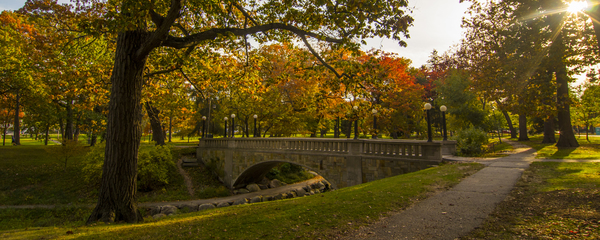
Astrochemistry in the Broadband Era
ALMA WSU and ngVLA will deliver unprecedented spectral bandwidths while maintaining exquisite spectral resolution and sensitivity. The data quality in this broadband era will transform astrochemistry, but will also require entirely new approaches to data analysis. This workshop aims to identify high-priority science and develop a roadmap for achieving it.
The workshop will be held 20-24 October in Portland, Maine. Registration and abstract submission closed yesterday. Notification of acceptances and student support decisions will occur on May 15. Further details are available on the conference website. (Photo Credit: CFW Photography)
ngVLA Science - Constraining the Energetics of M-Dwarf Stellar Flares
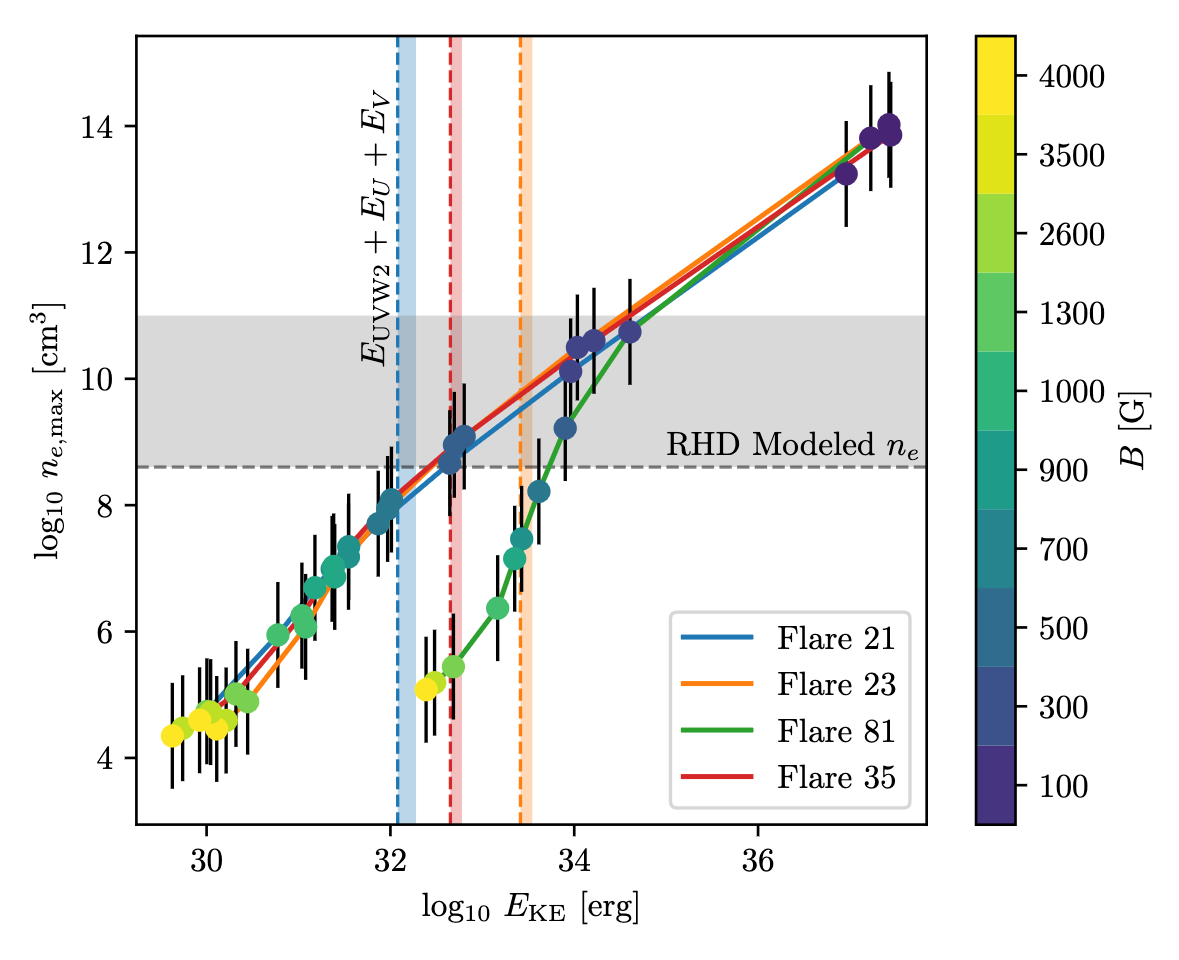
Figure: For optically thin flares (colored lines), the energy radiated in optical-UV wavelengths (vertical lines) is consistent with the estimated amounts of kinetic energy from the accelerated particles (x-axis). Observational constraints on the number density of accelerated electrons (y-axis) are also in general agreement with model predictions (gray region) for moderate values of magnetic field strength (circles & colorbar). Credit: Tristan et al. (2025).
Small, cool M-dwarf stars are the most common type of star in the Solar Neighborhood (Henry & Jao 2024). The stellar flares that occur on these stars may be the most dramatic examples of particle acceleration in the nearby Universe, and they are both more frequent and energetic than their solar counterparts. Flaring events release energy across the electromagnetic spectrum, which may affect the habitability of planets around these stars. However, it is currently unknown whether flares are a curse (e.g., Shields et al. 2016) or a boon (e.g., Airapetian et al. 2016) for the formation of life. Understanding these energetic events is necessary to determine whether or not future missions should look towards M-dwarf stars for signs of life and habitable planets.
Stellar flares arise from magnetic reconnection events high above the stellar surface, which accelerate beams of electrons down through the flaring plasma loop. These electrons release gyrosynchrotron emission in the radio bands (Dulk 1985), which is the only currently observable type of radiation that directly probes the action of accelerated particles in stellar flares. Our recent multi-wavelength, simultaneous observational campaign of AU Mic (dM1e) observed M-dwarf flares from the radio to X-ray regimes, including the VLA Ku-band at 12 to 18 GHz (Tristan et al. 2025). These observations were expected to be in the optically thin part of the gyrosynchrotron spectrum, commonly above 6 to 10 GHz in solar flares (Nita et al. 2004). However, we observed a variety of responses, including both optically thick and thin flares.
For optically thin flares (Osten et al. 2016), we are able to constrain the total electron kinetic energies. This kinetic energy represents the major source of energy for powering the flare after magnetic reconnection. By comparing these values to simultaneous NUV and optical data (Tristan et al. 2023), we are able to further constrain the magnetic field strengths and electron number densities (see figure). Moreover, our results tentatively agree with radiative hydrodynamic models that use extreme electron beam parameters to recreate the optical and NUV M-dwarf flaring spectrum (Kowalski et al. 2025). However, further observations at similar and higher frequencies, up to 100 GHz with the ngVLA, will be necessary to understand the conditions that create the variety of responses seen, and to determine differences from the solar flare paradigm.
Since 2015 the acronym ngVLA has appeared in 1290+ publications indexed in the SAO/NASA Astrophysics Data System. This article continues a regular feature intended to showcase some of those publications. We are especially interested in showcasing work done by early-career researchers. The collection of showcase articles can be viewed online. Anyone wishing to volunteer to author a feature should contact Joan Wrobel.
OH What a Lovely Molecule!
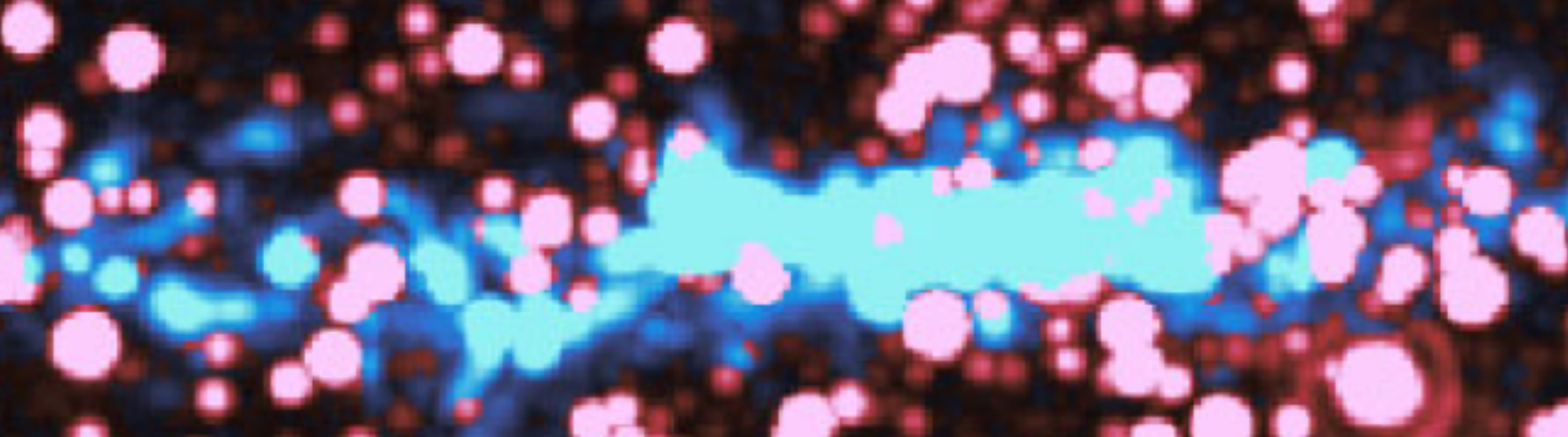
OH What a Lovely Molecule Workshop!
A workshop on all things Hydroxyl! This workshop will operate in an online format. If you would like to come to The University of Sydney as a visiting researcher during the workshop, limited funding support may be available through the Sydney Institute for Astronomy. Please indicate on your registration form that you would like to visit.
Recent Science Media Releases
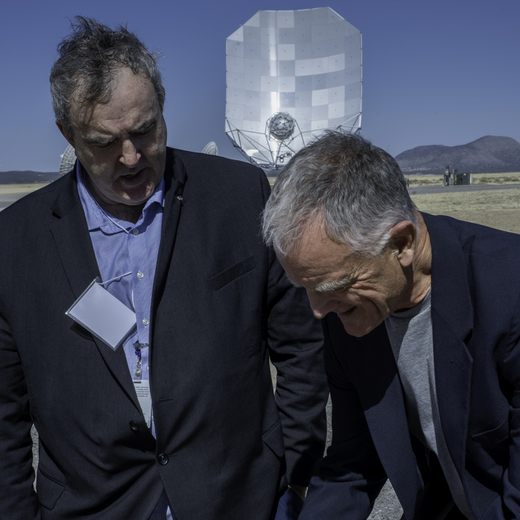 |
Stars Align for Science
|
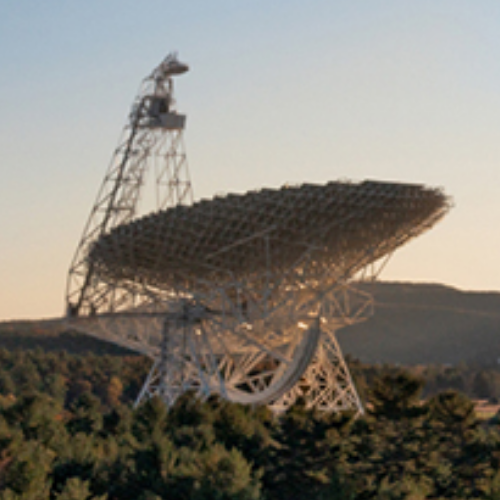 |
NSF NRAO Announces Jansky Fellows
|
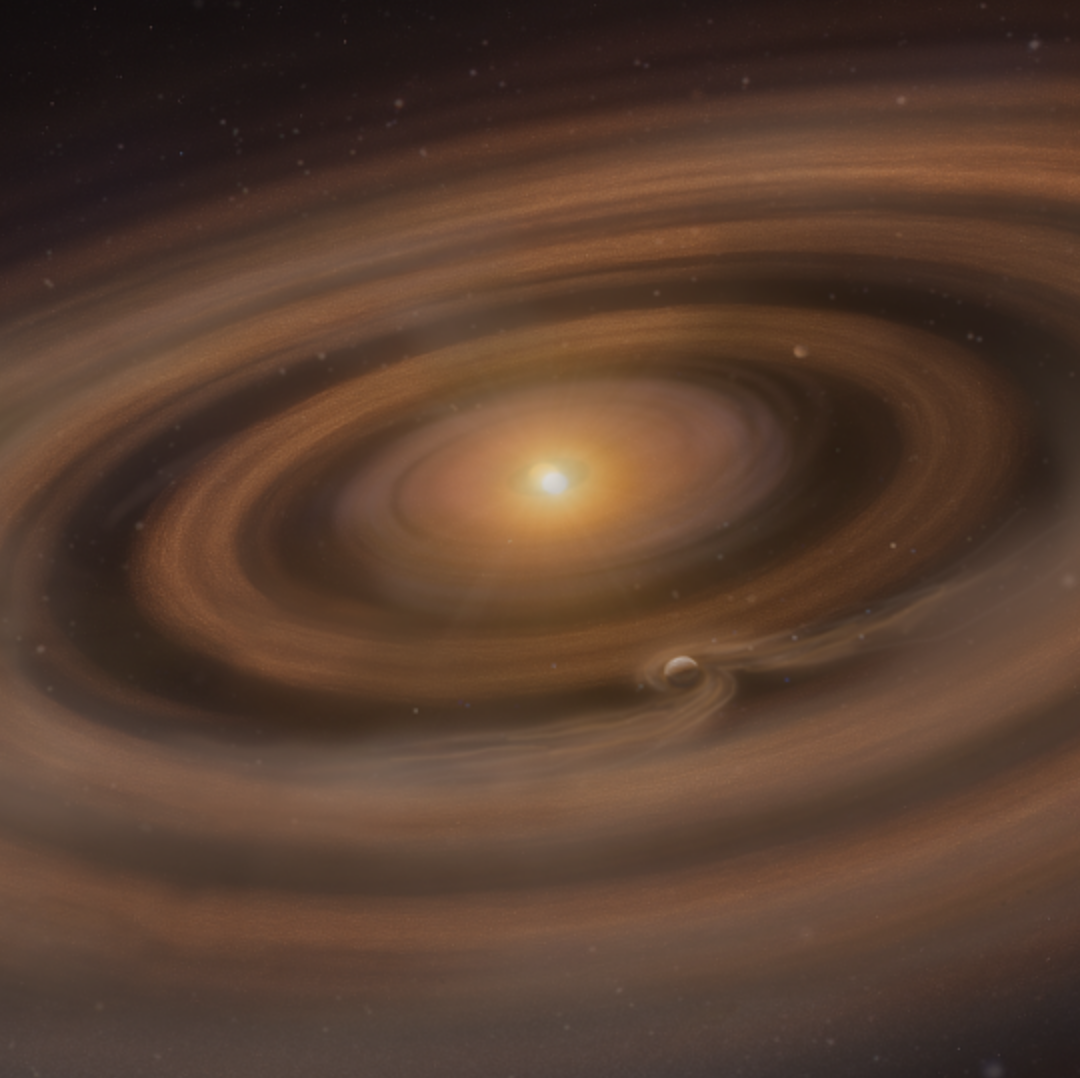 |
exoALMA Gives Astronomers A New Look At How Planets Are Formed
|
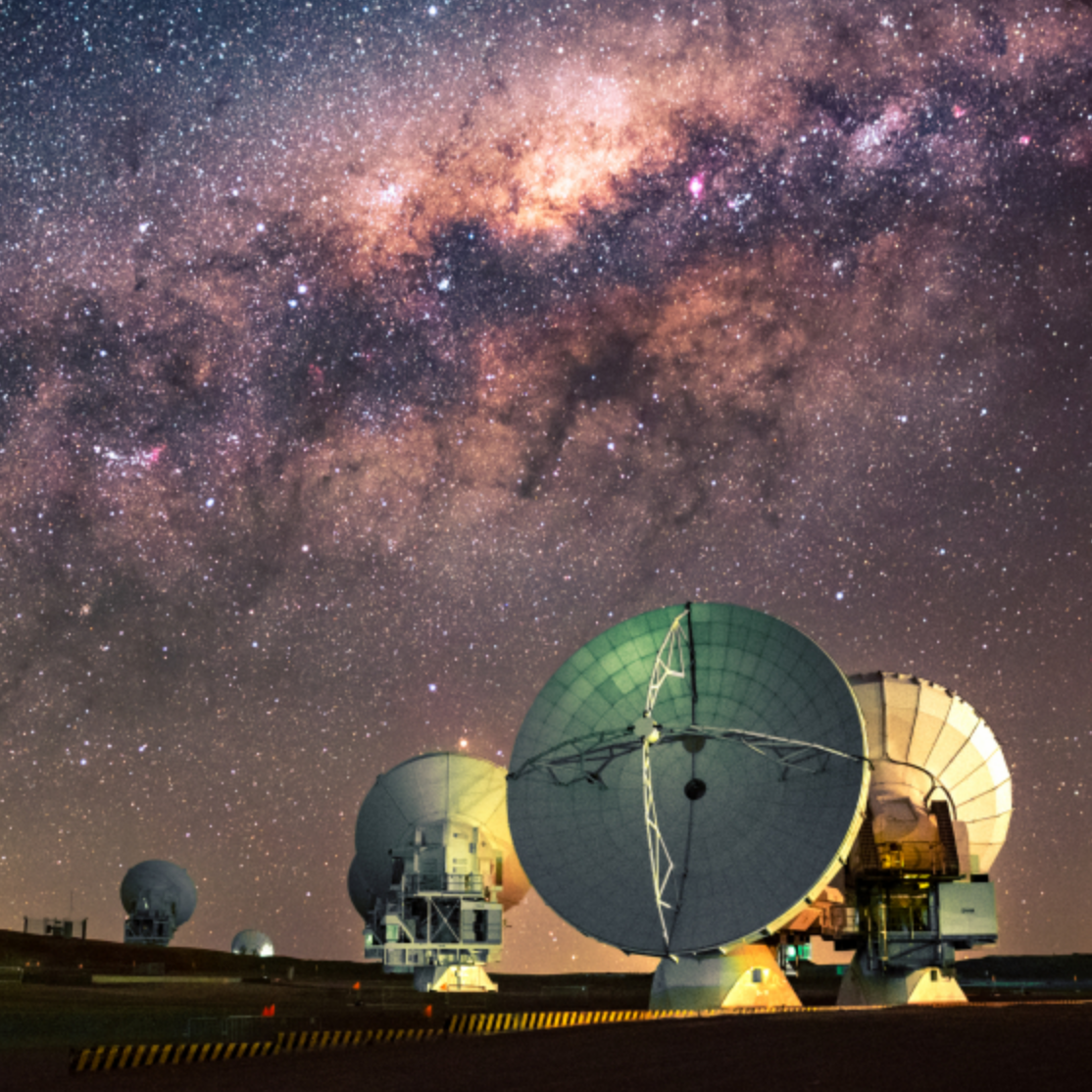 |
ALMA Detects First-Ever Hydrogen Recombination Lines
|
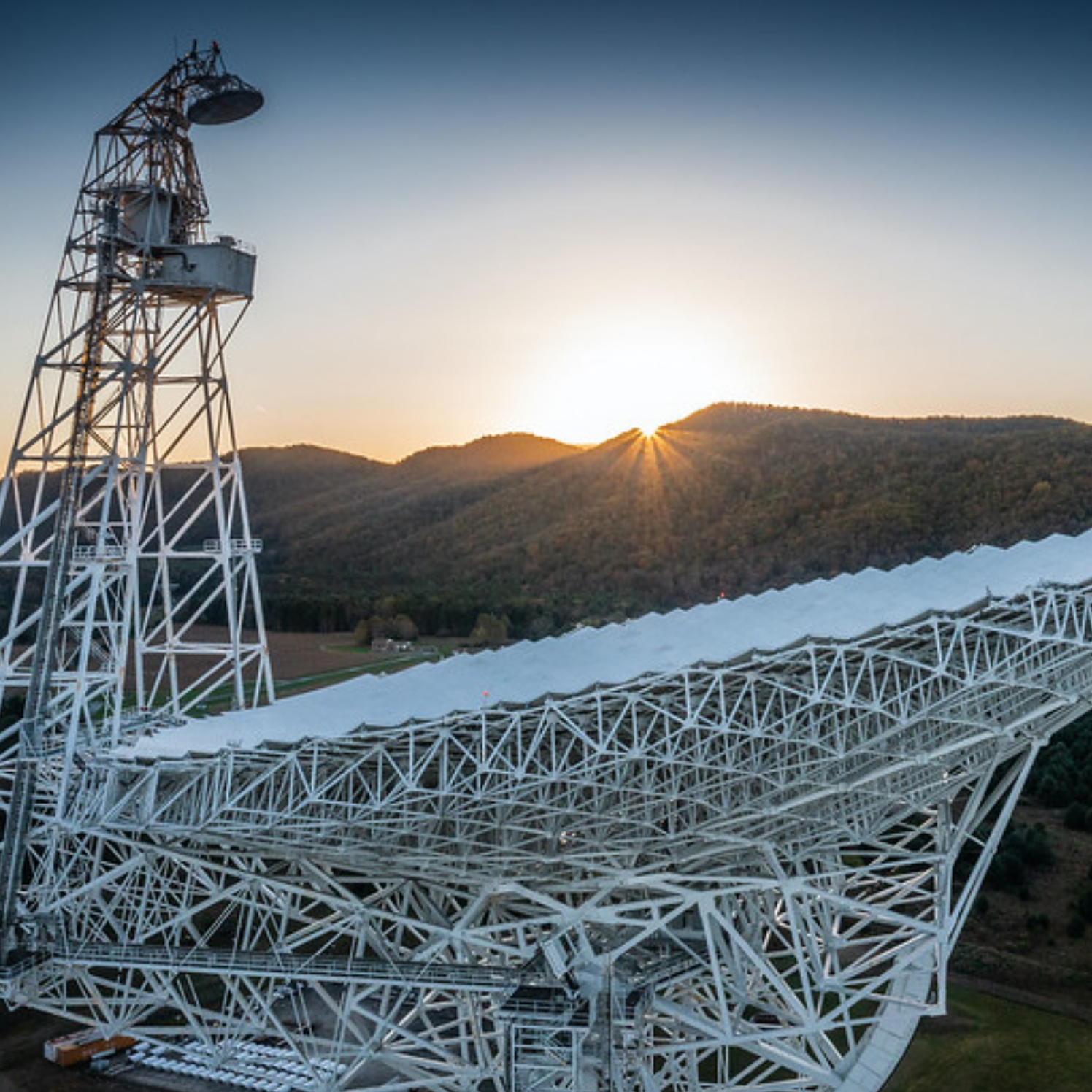 |
NSF Green Bank Telescope Gets a New Coat of Protection
|
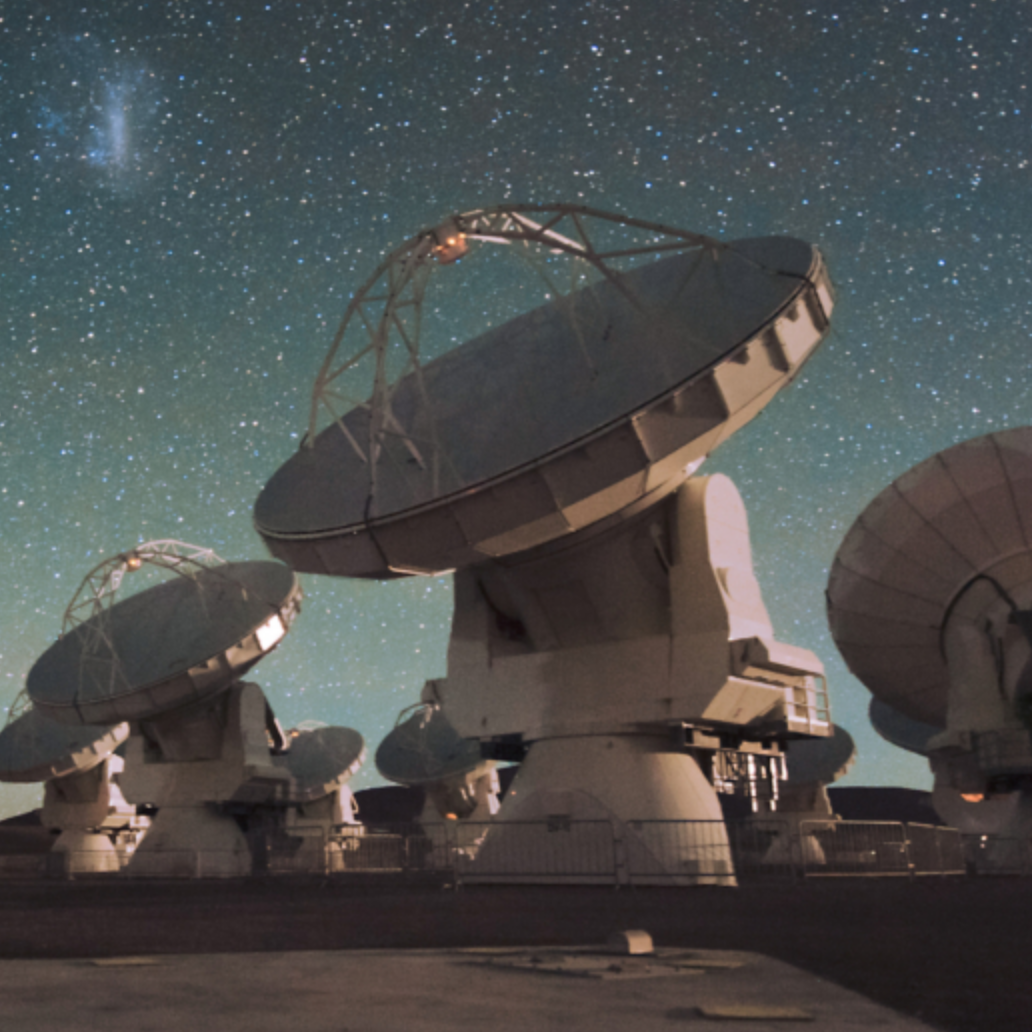 |
A New Opportunity to Explore the Universe
|
|
Contact the NRAO press office to share your new and exciting science results. |
From the Archives
Ellen Bouton
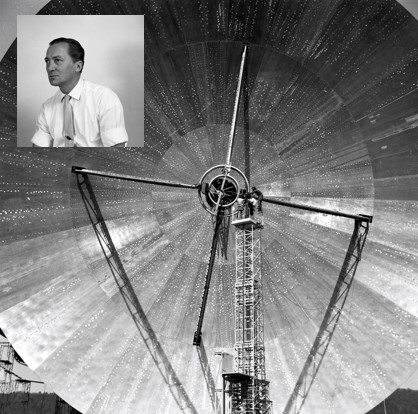
Although construction on the 140 Foot telescope was "completed" in February 1965, NRAO staff still had electronics and other work to do before it was fully operable, and the telescope was not dedicated until October of 1965. However, 60 years ago, on 23 May 1965, Sebastian von Hoerner made the first observations with the 140 Foot, measuring occultations of radio sources by the Moon at 234, 256 and 405 Mc. He said, "An occultation of a radio source by the Moon occurs only at a very specific time. If you miss it and want to repeat it, you must wait the 19 years through a lunar cycle. In May 1965, a good occultation was just coming up. I wanted to grab it, and I did." The photo shows ongoing work on the telescope on 20 May 1965, with a thumbnail inset of von Hoerner.
From the Archives is an ongoing series illustrating NRAO and U.S. radio astronomy history via images selected from our collections of individuals' and institutional papers. If readers have images they believe would be of interest to the Archives, please contact Ellen Bouton.